Are Engagement Rings Still Growing in Size? The 2026 Carat Expectations Report
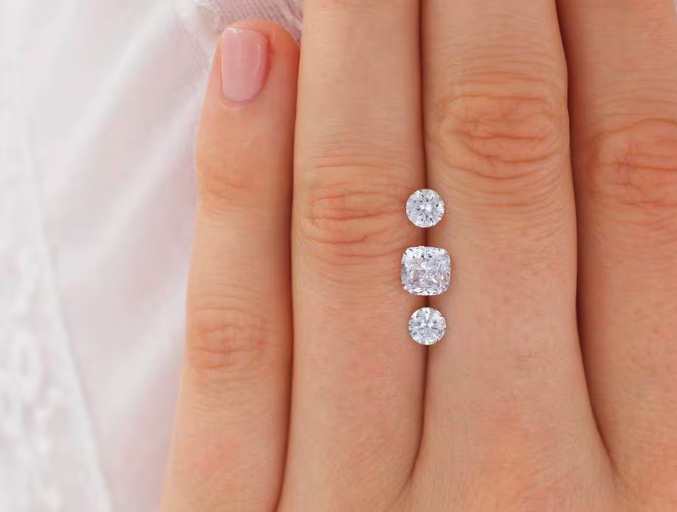
For more than a century, the size of an engagement ring has carried cultural weight far beyond its visual appearance. From old Hollywood glamour to the influence of celebrity proposals and social media, the ideal carat size has shifted repeatedly with each generation. Now, in 2026, many in the UK are asking a familiar question with new urgency. Are engagement rings still getting bigger, or is the era of oversized stones fading in favour of subtle elegance and considered design?
The answer lies in a combination of economic shifts, cultural movements and emerging tastes in British fashion. These forces have reshaped what British couples expect when they begin searching for the perfect ring and what carat size feels appropriate, meaningful and financially sensible.
According to BBC News Business, the UK jewellery market has continued to grow despite broader economic volatility. What has changed, however, is where consumers are choosing to spend. Increasing numbers of couples are prioritising value, ethical sourcing and design quality over sheer size. This cultural rebalancing has raised serious questions about whether bigger stones still represent aspiration or whether understated luxury is becoming the new benchmark.
A Brief History of the Big Diamond Ideal
To understand the present moment, it is helpful to revisit how Britain arrived at a carat culture so closely tied to status. During the mid to late twentieth century, advertising played a significant role in promoting the idea of diamond size as a symbol of commitment. This message aligned with rising post war affluence, making the diamond solitaire a fixture of aspirational British life.
By the early 2000s, celebrity engagement rings became part of everyday conversation. Tabloids documented the impressive stones worn by actors, musicians and American socialites, reinforcing the idea that a larger stone equalled a greater gesture of love. As Cosmopolitan UK observed, popular culture made carat size feel like a marker of achievement, even if it did not align realistically with what most people could or wished to spend.
Yet this cultural enthusiasm has always existed in tension with more traditional British values. Discretion, elegance and craftsmanship have long shaped the nation’s jewellery preferences. While the influence of celebrity culture is undeniable, British engagement ring styles historically lean towards refinement rather than flamboyance.
The 2026 Shift: Bigger Is No Longer Always Better
What makes 2026 so distinctive is the coexistence of two contrasting movements. On one hand, social platforms still showcase large diamonds, and interest in impressive centre stones remains strong. On the other, British couples are increasingly questioning whether such size driven expectations align with their personal and financial priorities.
According to The Guardian Lifestyle, younger consumers have become more sceptical of traditional status symbols, preferring jewellery that is meaningful, ethically sourced and compatible with everyday life. Many now choose stones that are flattering to the finger, proportionate to their preferred setting and comfortable for long term wear.
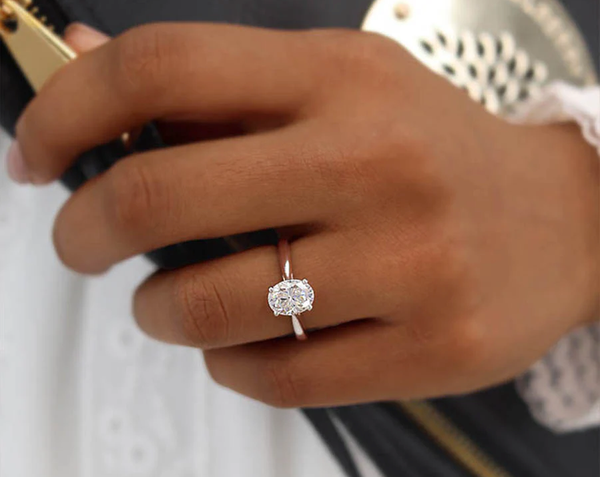
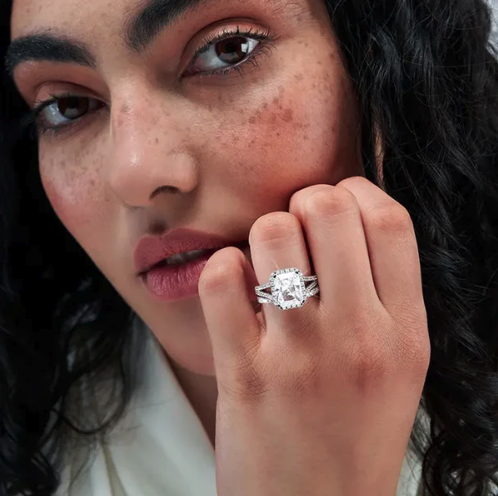
This shift towards a more thoughtful approach does not necessarily mean that smaller stones dominate. Rather, it reflects a broader desire for intentionality. Buyers want a ring that feels right for them, whether that means a subtle 0.70 carat oval or a bold two carat emerald cut. The idea that bigger should automatically be the goal is simply losing its grip.
Economic Realities and Their Influence on Carat Size
The UK’s economic environment continues to shape engagement ring purchases. As the Financial Times notes, the cost of living crisis has prompted many couples to reevaluate major expenses. Even those with healthy budgets are more conscious of long term financial wellbeing. Engagement ring budgets are now approached with more scrutiny than ever before.
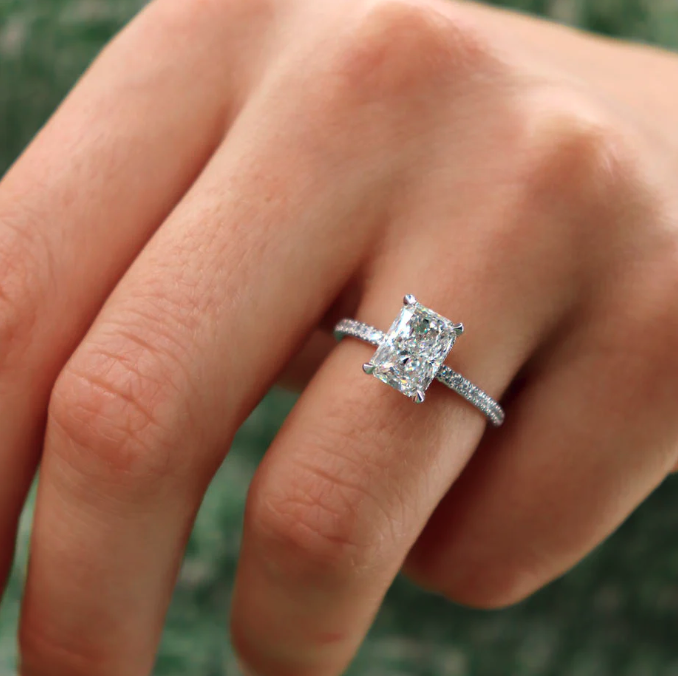
In response, buyers are exploring a wider range of carat sizes and diamond shapes to maximise visual presence without dramatically increasing cost. Ovals, pears and marquise cuts remain popular because their elongated silhouettes offer greater finger coverage. This trend demonstrates that the desire for impact is still alive, but that couples want it to be intelligent rather than excessive.
Economic factors also contribute to a more relaxed approach to tradition. The outdated idea that one must spend a rigid percentage of their salary on a ring has faded for good. As financial experts pointed out in recent BBC Money coverage, modern couples prioritise practical stability over symbolic spending.
Social Media and the Illusion of Size
Social media remains one of the most powerful influences on engagement ring choices. However, it is also responsible for perpetuating misconceptions about carat size. Photo filters, clever angles and magnifying lenses exaggerate the appearance of stones, creating unrealistic expectations.
This often results in what industry observers describe as size anxiety. Yet surveys show that once couples visit a showroom or view stones in person, their preferences become more grounded. When experienced in real scale, stones under one carat frequently appear more elegant and sophisticated in everyday settings.
Research published by Vogue UK highlights another important point. Minimalist jewellery and quiet luxury aesthetics dominate fashion in 2026, encouraging buyers to prioritise proportion, craftsmanship and subtle luxury rather than spectacle. The cultural trend towards understatement is reshaping what feels fashionable and aspirational.
Lab Grown Diamonds and How They Are Redefining Expectations
One of the most significant contributors to shifting carat expectations is the increasing popularity of laboratory grown diamonds. These stones have brought new possibilities to British buyers, offering excellent quality at lower prices. As a result, larger centre stones have become accessible to a broader demographic.
While this trend does increase average carat sizes, it does so without reinforcing the idea that bigger must always be the objective. Lab grown diamonds provide choice, and that choice has made the purchasing process more individual. Buyers can select a stone based on its beauty and their personal taste rather than external pressure.
Reports from The New York Times and The Guardian agree that lab grown diamonds have democratised the engagement ring market. Shoppers are more empowered to choose stones based on aesthetics, sentiment and ethical preferences rather than being constrained by cost alone.
Carat Preferences Among Gen Z and Millennials
Younger generations are reshaping the engagement ring market dramatically. Gen Z, in particular, prioritises authenticity, ethical sourcing and personal meaning. Many reject the idea that a larger stone signifies greater love or success. Instead, they focus on how the ring feels on their hand and how it reflects their values.
This sentiment is echoed by BBC Culture, which describes a broader cultural movement towards self expression over conformity. Millennials share many of these priorities, although they tend to favour slightly larger stones due to more established careers and budgets. Even so, their choices still reflect the pursuit of meaningful luxury rather than the showmanship of previous decades.
So Are Engagement Rings Still Growing in Size?
The answer is both yes and no. The average carat size has increased slightly, largely due to the accessibility of lab grown diamonds. However, the cultural pressure to choose a larger stone is weakening. The British market in 2026 is defined by personal choice, thoughtful spending and a desire for jewellery that feels authentic to the wearer.
Bigger rings will always have a place in British engagement culture, but they are no longer the default symbol of commitment. Instead, couples are choosing stones that align with their aesthetics, comfort and values. The future of engagement rings is not about size, but about sincerity.
Conclusion
The 2026 carat landscape reflects a more mature and emotionally grounded approach to engagement ring shopping. British couples have moved beyond the simplistic belief that larger diamonds automatically signal greater romance. Instead, they are embracing intentionality, proportion and ethical awareness. As cultural expectations continue to evolve, engagement rings will become increasingly personal expressions of love rather than markers of financial sacrifice.