Coloured Diamonds in 2026: Which Shades Are Trending and Which Will Truly Last
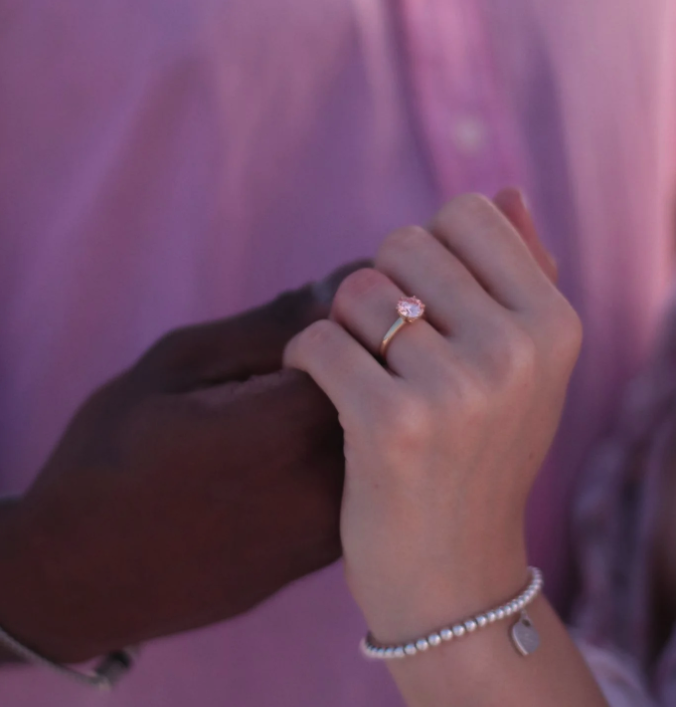
Coloured diamonds have moved from the margins of fine jewellery into its centre. Once considered rare curiosities or highly niche collector stones, they are now firmly part of the modern engagement ring and fine jewellery conversation. In 2026, coloured diamonds are not simply about making a statement. They are about individuality, emotional longevity and choosing a stone that feels as relevant decades from now as it does today.
As buyers become more informed and less bound by traditional rules, the question has shifted. It is no longer just which coloured diamond is the most fashionable right now, but which colours balance contemporary appeal with lasting relevance.
To answer that, it helps to understand how coloured diamonds gained their cultural footing and why some hues cycle through trends while others endure.
Diamonds owe their colour to trace elements and structural irregularities within the crystal lattice. Scientific explanation from The Natural History Museum outlines how nitrogen, boron and radiation exposure can influence diamond colour, creating everything from soft champagne tones to intense blues and vivid pinks. These colours are not surface treatments but intrinsic characteristics of the stone itself.
Historically, colourless diamonds dominated fine jewellery because they aligned with ideas of purity, consistency and status. Coloured diamonds existed, but their rarity and price positioned them outside mainstream jewellery culture. That dynamic has shifted significantly over the past decade.
Cultural commentary from BBC Culture has explored how changing attitudes towards luxury have encouraged greater experimentation and personal expression. Jewellery is no longer expected to conform to a single ideal. It is expected to reflect the wearer.
This has opened the door to coloured diamonds in a meaningful way.
In 2026, several coloured diamond shades are commanding attention, but not all for the same reasons.
Yellow diamonds remain one of the most visible coloured diamond trends. Their warmth feels optimistic and expressive, particularly as jewellery design has moved towards softer, more organic palettes. Editorial coverage from Vogue has noted a resurgence of warm-toned stones across fashion and jewellery, driven by a desire for pieces that feel uplifting rather than austere.
Yellow diamonds also benefit from versatility. They pair well with both yellow and white metals, allowing them to adapt across different design styles. However, while yellow diamonds are popular, their long-term appeal depends heavily on tone. Subtle, buttery hues tend to age better than overly saturated or greenish yellows, which can feel tied to specific trend cycles.
Pink diamonds occupy a different space entirely. Historically among the rarest natural diamonds, pinks have long been associated with romance and individuality. Cultural analysis from The Financial Times has highlighted how pink diamonds gained prominence as symbols of emotional expression rather than status alone.
In 2026, softer blush and muted rose tones are favoured over vivid hot pinks. These gentler hues feel timeless because they sit closer to neutral, allowing them to integrate seamlessly into everyday wear. Pink diamonds with subtle undertones are often considered strong candidates for long-term appeal.
Blue diamonds, by contrast, draw on a deep sense of heritage. Their association with royalty and historical jewellery gives them an inherent sense of permanence. Research published by The Smithsonian National Museum of Natural History explores how boron within the diamond structure creates blue coloration, a rarity that has fascinated gemologists for centuries.
Blue diamonds tend to resist trend cycles because their cultural associations are so well established. Softer steel blues and greyed navy tones are particularly enduring, offering depth without feeling theatrical. These shades often age exceptionally well, especially in understated settings.
Green diamonds are among the most discussed coloured diamonds of 2026. Their rise is closely linked to broader cultural movements towards nature-inspired palettes and earth-toned luxury. Editorial insight from The Guardian has connected green gemstones to wider conversations around sustainability and environmental awareness.
However, green diamonds are also among the most trend-sensitive. Their long-term appeal depends on subtlety. Soft moss, olive and sage tones tend to endure far better than highly saturated greens, which can feel strongly tied to a specific moment in time.
Champagne and cognac diamonds occupy a unique position. Often overlooked in the past, these warm neutral shades have gained significant traction as buyers move away from stark contrasts. Jewellery trend analysis from Wallpaper has highlighted a shift towards tonal dressing and layered neutrals, both in fashion and jewellery.
Champagne diamonds are particularly well suited to longevity because they function almost like neutrals. Their warmth adds character without overwhelming the design, making them highly adaptable over decades.
When considering which coloured diamonds will last the test of time, subtlety emerges as a consistent theme. Stones that sit closer to neutral tones tend to age more gracefully than those defined by extreme saturation.
This insight is supported by psychological research discussed by Psychology Today, which suggests that people form longer-lasting attachments to objects that integrate seamlessly into daily life. Jewellery that feels too performative or trend-driven often loses emotional relevance as tastes evolve.
The growing availability of fancy coloured lab grown diamonds has also reshaped the coloured diamond landscape. Lab grown diamonds have expanded access to colours that were once prohibitively rare, allowing buyers to prioritise tone, balance and personal connection rather than scarcity alone.
Scientific research published by Nature confirms that lab grown diamonds share the same chemical, physical and optical properties as mined diamonds. This has allowed coloured diamonds to be appreciated for their aesthetic and emotional qualities rather than framed purely as investment assets.
Importantly, this has changed how trends behave. When colour becomes more accessible, it becomes less about exclusivity and more about alignment. Buyers are choosing hues that resonate personally, rather than those dictated by market scarcity.
From a design perspective, coloured diamonds that endure tend to be set in ways that emphasise balance and proportion rather than spectacle. Clean lines, thoughtful metal choices and refined settings allow colour to feel integrated rather than dominant.
Museum commentary from The Victoria and Albert Museum has long emphasised that enduring jewellery design relies on harmony between material and form. Coloured diamonds that respect this principle are far more likely to remain relevant.
Another factor influencing longevity is versatility. Stones that work across different styles, metals and contexts tend to outlast those tied to a single aesthetic. Champagne, soft yellow, blush pink and muted blue diamonds consistently perform well by this measure.
Economic insight from The Economist has also noted that modern luxury increasingly favours adaptability over conspicuousness. Jewellery that transitions easily between work, social and personal settings is perceived as more valuable over time.
In contrast, highly saturated or novelty colours often peak quickly and decline just as fast. While they may feel exciting in the moment, they can become visually dated as broader design language shifts.
This does not mean bold colours lack value. It means their longevity depends heavily on personal attachment rather than universal appeal. A colour that holds deep personal meaning may endure regardless of trend cycles.
Looking ahead, the coloured diamonds most likely to stand the test of time are those that balance individuality with restraint. Soft blues, muted pinks, champagne tones and gentle yellows consistently demonstrate this balance.
In 2026, coloured diamonds are no longer about defying tradition for the sake of it. They are about expanding it thoughtfully.
The trendiest colours may shift year to year, influenced by fashion, culture and media. But the colours that last are those chosen with intention, subtlety and emotional clarity.
Coloured diamonds have earned their place in modern fine jewellery not because they are fashionable, but because they allow jewellery to feel personal without being fleeting.
The most enduring choice is rarely the loudest one. It is the one that still feels right long after trends have moved on.