Do Engagement Ring Myths Still Matter? British Couples Say No in 2026
For decades, the engagement ring has been surrounded by an almost mythic aura. It has been the subject of rules, expectations and long standing traditions that have shaped the way Britons buy and give rings. Yet something significant has changed. As 2026 unfolds, British couples are rewriting the rulebook. From the three month salary myth to long held beliefs about mined diamonds, younger generations are dismantling outdated customs and choosing rings for love, meaning and ethics rather than societal pressure.
According to Vogue UK, the modern engagement ring market is no longer driven by expectation but by personal identity. Meanwhile, The Guardian Lifestyle notes that younger British buyers have become more expressive, more mindful and less interested in rituals designed in the last century. Engagement rings are still symbols of commitment, but the way couples choose them is transforming rapidly.
This article explores the biggest myths that once defined British proposals and reveals why, in 2026, couples are confidently saying no.
Myth One: “You should spend three months’ salary”
Few myths have persisted as stubbornly as the three month salary rule. It was never ancient tradition. In fact, it began as a 20th century marketing campaign designed to increase diamond sales. Despite this, it lingered for generations as an unspoken expectation.
Today, British couples are pushing back. Research from BBC News Business shows that spending habits have shifted dramatically over the last five years, with many couples prioritising financial stability over tradition. Rising living costs, student loans and a cultural shift towards responsible spending have led to a more thoughtful approach.
In 2026, the question has changed from “How much should I spend?” to “What feels meaningful and financially comfortable?” Couples now choose rings based on craftsmanship, symbolism and ethical values rather than price tags. Social media has played a major role as well. Platforms like TikTok and Instagram have helped normalise modest, meaningful rings. More couples proudly share the story behind their chosen gemstone rather than the amount spent.
Myth Two: “Mined diamonds are the only real option”
For decades, natural diamonds were seen as the only legitimate engagement stone. Anything else was once dismissed as inferior or inauthentic. That narrative no longer reflects reality.
As The Guardian Environment explains, awareness of mining practices and sustainability has become a major factor in how younger British consumers choose jewellery. Transparency and ethics are now prized qualities. Many couples want to know where their stone came from and what environmental and social footprint it carries.
At the same time, laboratory grown diamonds have become one of the most popular choices in the UK. They share identical physical, chemical and optical properties with mined diamonds. They sparkle the same, measure the same and last the same. Even the Gemological Institute of America (GIA) confirms that lab grown diamonds are genuine diamonds. Lab diamonds are often more affordable, allowing couples to choose a higher clarity or larger carat without compromising on quality. This shift has reframed the conversation. Instead of questioning whether a lab grown diamond is “real”, couples now ask which option aligns with their values.
Many British buyers in 2026 turn to ethical specialists such as Lily Arkwright, whose engagement ring collections include certified laboratory grown diamonds.
This shift represents the broader trend towards informed purchasing rather than tradition driven assumptions.
Myth Three: “The ring must be a surprise”
Romantic comedies have long reinforced the image of one partner secretly selecting the perfect ring. Yet across the UK, attitudes have changed. According to BBC Culture, modern proposals are far more collaborative. Couples discuss the ring style together, shop together and sometimes even design a custom ring as a shared experience.
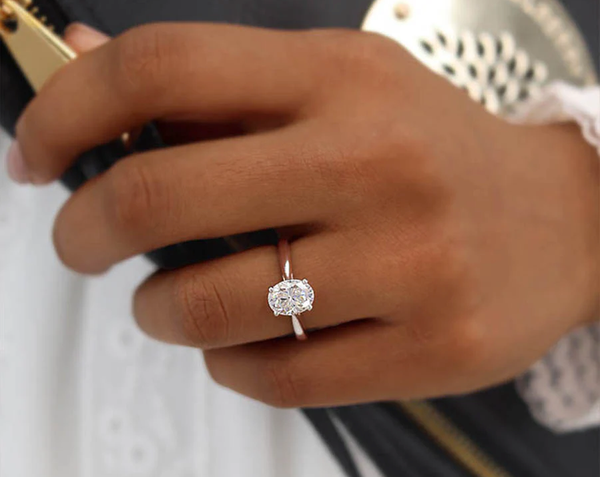
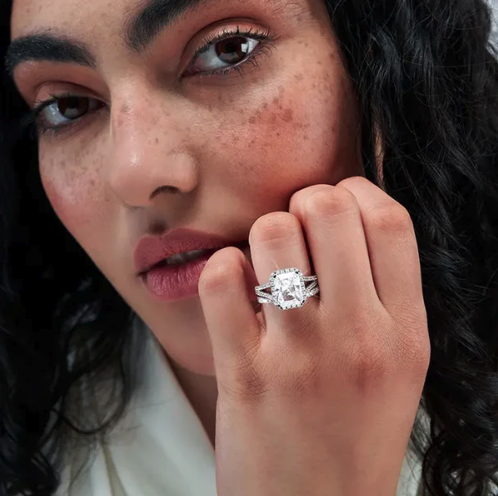
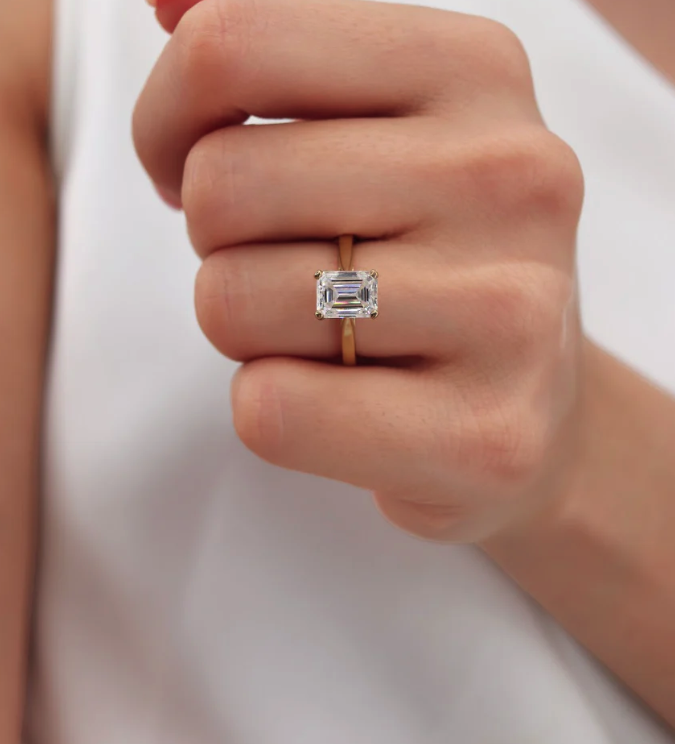
This approach reflects a broader cultural movement. Relationships today are increasingly based on communication, equality and shared decision making. Many couples prefer to ensure the ring reflects the wearer’s personal taste rather than relying on guesswork. Oval cuts, emerald cuts and vintage inspired settings continue to rise in popularity because they reflect the individuality of the wearer.
Collaboration also reduces anxiety. The pressure to “get it right” is replaced by the joy of choosing together. In fact, a growing number of British couples choose the ring first and plan the proposal afterward.
Myth Four: “Bigger is always better”
Carat weight has long been associated with value, prestige and romance. Yet many couples in 2026 are beginning to reject this idea. As Vogue UK highlights, the trend has shifted towards balance. Cut, proportion and overall design now matter more than size alone.
A beautifully cut one carat diamond can appear brighter and more elegant than a larger stone with poor proportions. Meanwhile, laboratory grown diamonds and gemstones such as lab grown alexandrite or sapphires offer beauty and rarity without the inflated price of larger mined stones.
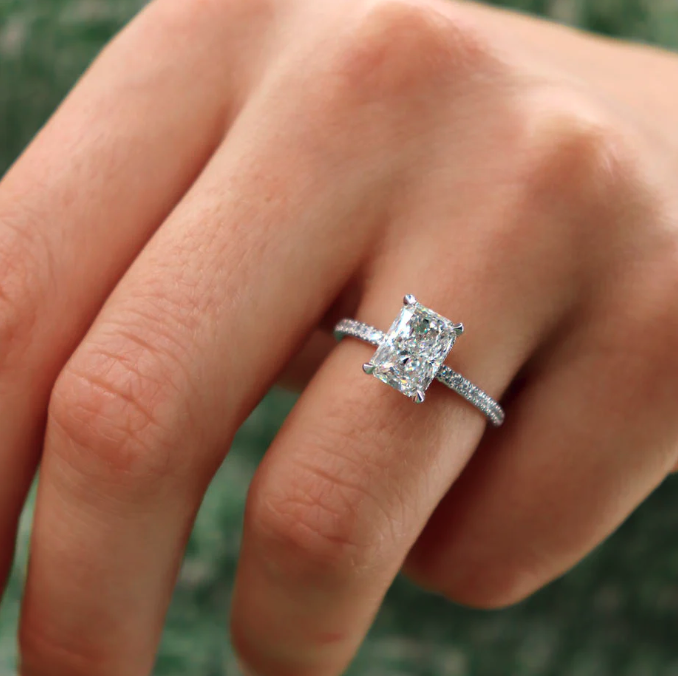
Couples increasingly prioritise craftsmanship, meaning and long term wearability. Rings with thoughtful settings, slimmer bands, claw arrangements or vintage details often feel more personal than oversized diamonds chosen only for impact.
Myth Five: “Tradition demands a white diamond”
The notion that an engagement ring must feature a colourless diamond is fading fast. As Vogue UK points out, coloured gemstones have seen a dramatic rise in popularity. Sapphires, emeralds, rubies and even alternative stones such as alexandrite have captured the imagination of modern couples seeking rings that tell personal stories.
This trend is driven by creativity and meaning. Sapphires symbolise loyalty, emeralds represent growth and rebirth, and alexandrite, known for its colour changing beauty, represents transformation. These symbolic associations appeal strongly to younger generations.
Coloured gemstones also link to cultural icons. Princess Diana’s sapphire ring, now worn by Catherine, Princess of Wales, remains one of the most influential engagement rings in British history. It continues to inspire thousands of buyers every year.
Myth Six: “A ring must be new to be meaningful”
Vintage and heirloom rings have made a powerful comeback. Part of this trend stems from sustainability. Reusing jewellery is inherently eco friendly, and many buyers love the idea of preserving craftsmanship from the past.
Another factor is sentimentality. Wearing a ring that carries family history or personal narrative can be deeply meaningful. Even couples who choose new rings often incorporate vintage elements such as hand engraved bands, milgrain detailing or Art Deco inspired designs.
According to The Guardian Lifestyle, the resurgence of heritage inspired jewellery reflects a desire for emotional depth rather than conformity.
Myth Seven: “Buying an engagement ring is a solo decision”
The tradition that one partner chooses the ring entirely alone is fading. Many modern couples openly discuss budgets, values and styles before visiting a jeweller or browsing online. The engagement ring is no longer a secretive purchase but a collaborative expression of the relationship.
This shift does not diminish the romance of the proposal. Instead, it strengthens the emotional connection by ensuring the ring reflects shared understanding rather than assumptions.
Why British Couples Are Rewriting the Rules
The transformation happening across the UK engagement ring market reflects broader cultural change. Couples today are more informed, more ethical and more expressive. They place less emphasis on tradition and more on shared values. Love is no longer measured by price, carat weight or whether a ring follows tradition.
Instead, modern British couples care about craftsmanship, sustainability, authenticity and personal meaning. The myths that once dominated the engagement ring industry are being replaced by individual choice and emotional depth.
The engagement ring of 2026 is not defined by rules. It is defined by the people who wear it.