Engagement Ring Trends 2026: How Style, Values and Design Are Evolving in the UK
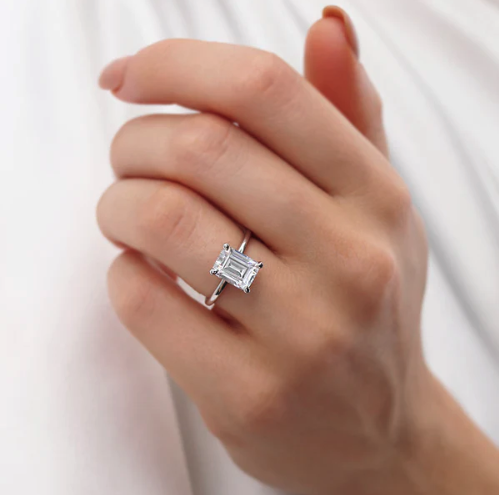
Engagement ring trends in 2026 reflect a noticeable shift in how couples think about symbolism, longevity and personal expression. Rather than chasing novelty or scale for its own sake, today’s engagement rings are shaped by intention. Design choices increasingly prioritise wearability, individuality and emotional relevance, signalling a move away from one size fits all traditions towards something more thoughtful and enduring.
This evolution has been building quietly for several years, but in 2026 it becomes unmistakable. Engagement rings are no longer just markers of commitment. They are extensions of personal style and values, influenced by broader movements in fashion, architecture and social behaviour.
One of the most defining features of 2026 engagement ring trends is confidence in restraint. Rather than focusing on maximalism, many designs emphasise proportion and balance. This does not mean rings are understated or conservative. Instead, they feel considered. Every element serves a purpose, from stone choice to band width to setting height.
Fashion commentary from Vogue has highlighted a broader luxury shift towards refinement over excess. This sensibility is clearly visible in engagement rings, where couples increasingly favour designs that feel timeless rather than overtly trend driven.
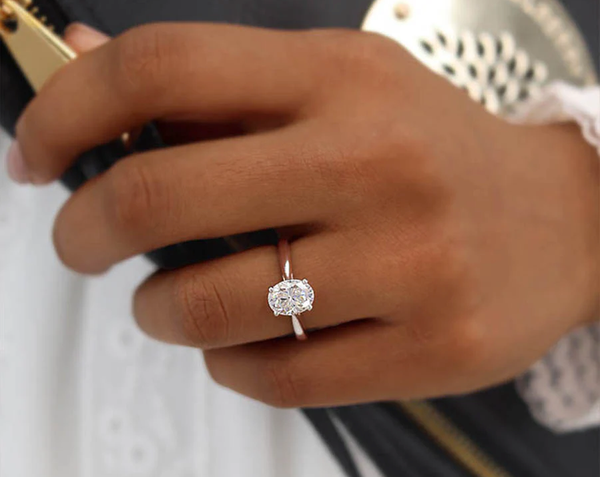
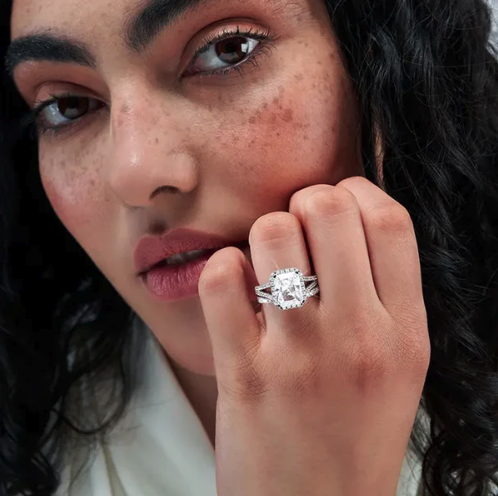
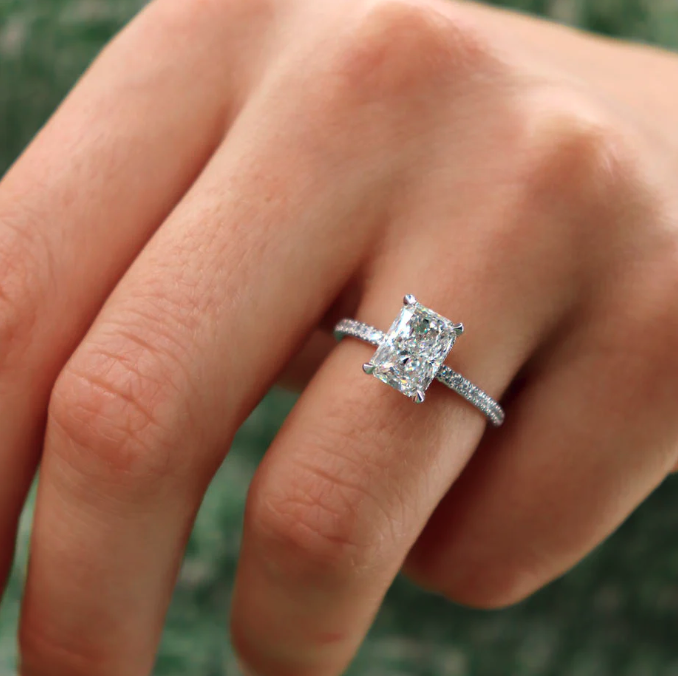
Stone shapes continue to diversify in 2026. While round brilliant diamonds remain popular, elongated and directional shapes have gained significant traction. Pear, oval, marquise and emerald cuts are frequently chosen for their ability to elongate the finger and create elegant visual flow.
This interest in shape over sheer size aligns with changing perceptions of luxury. Analysis from The Business of Fashion suggests that modern consumers associate luxury with discernment rather than display. In engagement rings, this translates to carefully chosen proportions rather than default choices.
Settings also play a crucial role in defining 2026 trends. Low profile and mid profile settings are increasingly favoured over high set designs. Practicality matters more than ever. Rings are expected to integrate seamlessly into everyday life rather than exist as purely symbolic objects.
Lifestyle reporting from The Guardian has noted how jewellery choices are increasingly influenced by real world wearability. Engagement rings are no exception. Comfort, security and longevity are central considerations in modern design.
Band design has become one of the most expressive areas of engagement ring styling in 2026. Wider bands, sculptural profiles and subtle knife edge details are all gaining popularity. These elements add presence without relying solely on stone size.
Design analysis in Dezeen highlights how contemporary jewellery increasingly draws inspiration from architecture and industrial design. Clean lines, structural integrity and tactile surfaces are valued just as much as sparkle.
Metal choice in 2026 reflects both aesthetic and practical considerations. Platinum remains a strong choice for its durability and understated appearance, while yellow gold continues its resurgence, offering warmth and contrast. Mixed metal designs are also appearing more frequently, allowing for personalisation without excess.
Cultural analysis from Harper’s Bazaar notes that mixed materials are becoming a hallmark of modern luxury, signalling confidence and individuality. Engagement rings reflect this broader movement, blending tradition with personal expression.
Another defining trend for 2026 is the rise of collaborative ring buying. Couples are increasingly involved together in the design or selection process. This shift away from secrecy towards shared decision making influences design outcomes, resulting in rings that feel deeply personal rather than performative.
Relationship research discussed by Pew Research Center highlights how modern partnerships emphasise communication and equality. Engagement ring choices naturally reflect this cultural shift.
Hidden details continue to play an important role in engagement ring trends. Hidden halos, personalised engravings and subtle interior design elements allow rings to carry private meaning without altering the external aesthetic.
Fashion features in Elle have explored how modern luxury often values what is unseen as much as what is visible. In engagement rings, these discreet details add emotional depth without compromising design integrity.
Sustainability and transparency remain influential factors in 2026, though they are no longer framed as niche concerns. Instead, they are part of mainstream expectations. Couples increasingly ask where materials come from and how rings are made, not as a statement, but as a given.
Coverage from BBC Future has examined how ethical considerations are becoming embedded in consumer decision making rather than treated as optional extras. Engagement ring trends reflect this normalisation of conscious choice.
This broader awareness supports the growing interest in lab grown stones and alternative gemstones, not as compromises, but as deliberate design decisions. In 2026, the distinction between traditional and modern materials feels increasingly blurred.
Exploring contemporary engagement ring collections, such as those available through Lily Arkwright, reflects this convergence of design, ethics and modern values. Rings are designed to feel relevant now while remaining meaningful decades from today.
Another key trend shaping engagement rings in 2026 is a renewed focus on craftsmanship. Fine details such as precise stone setting, balanced prong design and thoughtful metal finishing are increasingly appreciated. Rather than focusing solely on specifications, couples are paying attention to how a ring feels and wears.
Industry commentary from Forbes suggests that luxury consumers are becoming more knowledgeable and discerning. Engagement rings are evaluated not just by appearance, but by quality of construction and longevity.
Colour also plays a subtle but growing role in 2026 trends. While colourless diamonds remain popular, soft hues and warmer tones are increasingly embraced. These choices feel intentional rather than ornamental, adding personality without overwhelming the design.
Design features in Wallpaper* have noted that colour in jewellery is being used more thoughtfully, often as a mood or tone rather than a focal statement. Engagement rings reflect this restrained approach.
Perhaps the most significant trend of all is the move away from rigid rules. The idea of a correct engagement ring has largely dissolved. Instead, value lies in alignment with lifestyle, taste and shared meaning.
Sociological analysis from The Financial Times highlights how modern consumers resist prescriptive luxury. Engagement rings in 2026 embody this resistance, offering freedom rather than expectation.
Looking ahead, engagement ring trends in 2026 suggest a future where design continues to evolve alongside relationships themselves. Rings are less about meeting tradition and more about reflecting partnership, intention and personal identity.
Rather than dramatic reinvention, the defining quality of 2026 engagement rings is clarity. Clear choices, clear values and clear design language shape rings that feel authentic rather than imposed.
These trends do not signal the end of tradition, but its adaptation. Engagement rings remain deeply symbolic, but that symbolism is now expressed through balance, individuality and thoughtful design.
In 2026, the most important engagement ring trend is not a shape, setting or metal. It is confidence in choosing what feels right.
That confidence defines the modern engagement ring, and it is set to endure well beyond the year itself.