Lab-Grown Luxury: How Britain Is Redefining the Diamond
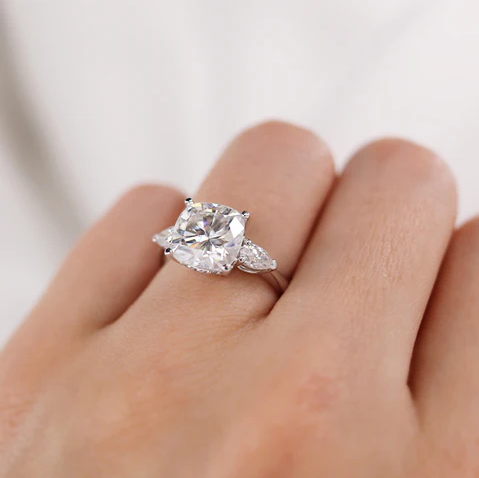
In the soft light of a Hatton Garden workshop, a new kind of diamond glows — not mined, but made. Across the UK, jewellers are quietly redefining what luxury means. The modern diamond is no longer a relic of the past, dug from the earth at immense cost, but a masterpiece of science and sustainability.
This is the era of lab-grown diamonds, and it’s transforming British fine jewellery from the inside out.
As Vogue UK recently wrote, “the world’s most modern diamond is also its most ethical.”
A Revolution in Romance
For generations, diamonds have symbolised eternity — love crystallised in light. Yet behind that beauty, questions have long lingered about origin, impact and ethics.
Today’s couples are asking different questions. Where did this stone come from? Who made it? What footprint did it leave behind?
The Guardian Lifestyle captured this generational shift perfectly: “The new luxury is transparency — not secrecy.”
Enter lab-grown diamonds, identical in structure and sparkle to mined stones, but created through innovation rather than extraction.
These are not imitation gems. They are real diamonds — atom for atom, carbon for carbon — formed under carefully controlled laboratory conditions that replicate the intense heat and pressure found deep beneath the Earth.
The Science of Brilliance
Lab-grown diamonds are made using one of two pioneering processes: High Pressure High Temperature (HPHT) or Chemical Vapour Deposition (CVD). Both produce genuine carbon crystals with the same atomic composition and optical brilliance as natural diamonds.
According to BBC News Science, even trained gemologists often cannot distinguish between lab-grown and mined diamonds without specialist equipment.
The only true difference is their origin — one born beneath the ground, the other born from innovation.
As Elle UK beautifully phrased it, “lab-grown diamonds are nature’s masterpiece, perfected by technology.”
Sustainability: The New Definition of Luxury
Sustainability has become the hallmark of modern luxury in Britain. Lab-grown diamonds embody that evolution — offering the same beauty and durability with a fraction of the environmental impact.
Traditional diamond mining can disrupt ecosystems and consume vast amounts of energy and water. By contrast, lab-grown production requires significantly fewer resources and produces far less carbon output.
A recent report from Forbes found that the carbon footprint of a lab-grown diamond is up to 80 per cent lower than its mined equivalent.
This shift reflects a broader cultural reawakening. Consumers no longer see sustainability as optional — it’s essential. As The Guardian Fashion observed, “beauty without conscience no longer shines as brightly.”
The British Leaders of Ethical Brilliance
At the forefront of this ethical revolution are British jewellers who have built their reputations on transparency, craftsmanship and innovation.
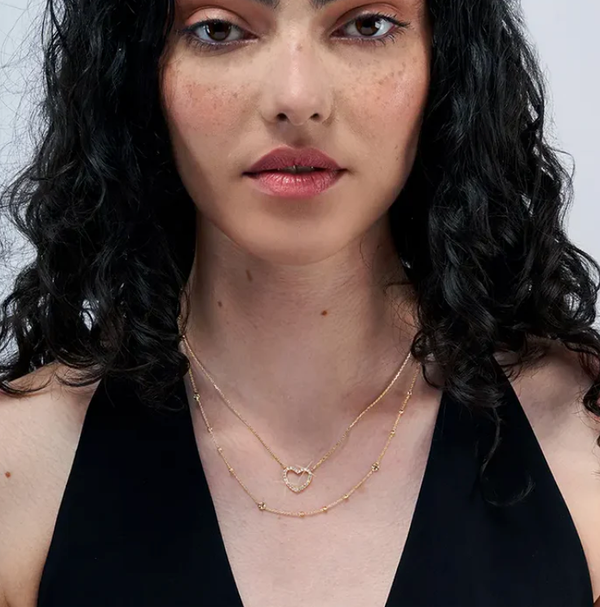
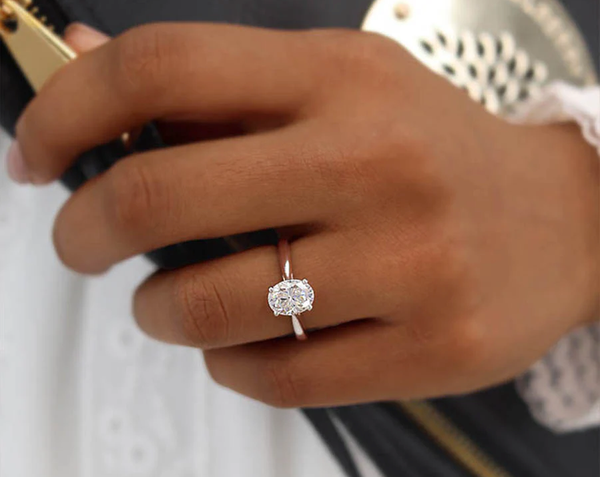
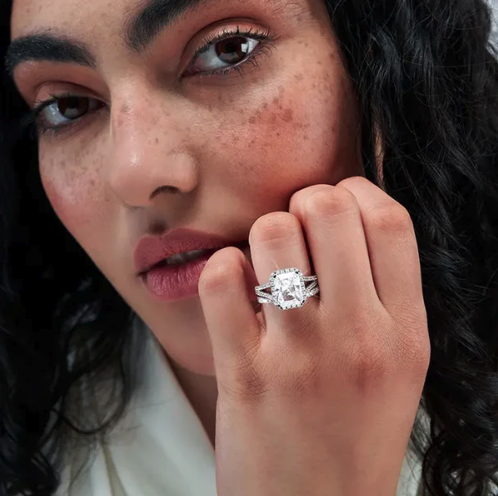
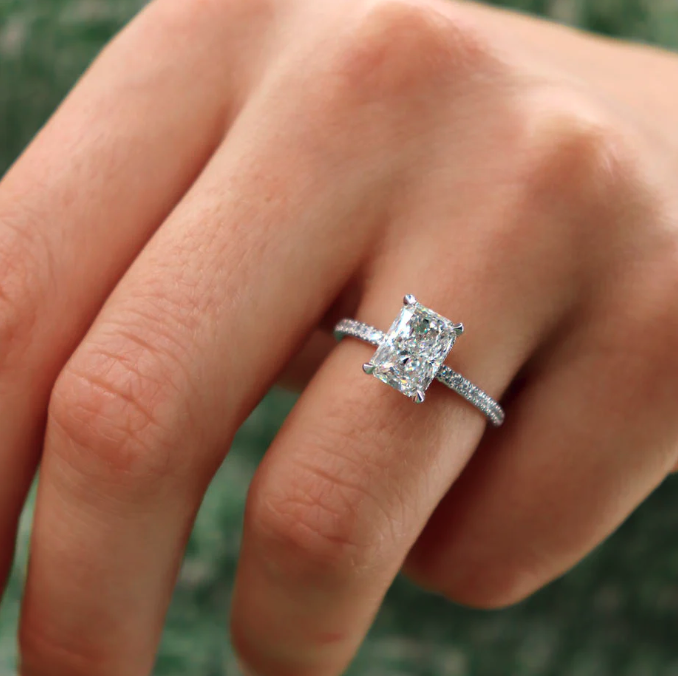
Among them, Lily Arkwright stands out as one of the UK’s leading specialists in lab-grown diamond jewellery, offering exquisite solitaire engagement rings and fine designs that merge timeless style with modern responsibility.
Celebrated for their craftsmanship and commitment to ethical sourcing, Lily Arkwright’s collections represent the new standard in British luxury — elegant, sustainable, and entirely future-focused.
As Country Living UK noted in its feature on ethical jewellery, “brands that champion lab-grown brilliance are shaping a cleaner, fairer future for fine design.”
The Emotional Value of Sustainability
There’s something profoundly romantic about choosing a ring that reflects not only love but values. Modern couples see their purchase as a declaration of shared principles — a symbol of unity, responsibility and conscience.
As Vogue UK wrote, “today’s diamond represents not just forever, but the future.”
It’s not simply about sparkle anymore. It’s about what that sparkle stands for: innovation, ethics and the belief that love can be both timeless and thoughtful.
For many, this awareness adds emotional depth. Knowing that their diamond caused no harm — to people, planet or wildlife — enhances its meaning.
The Craft of Modern British Jewellery
The shift toward lab-grown diamonds has also reignited British craftsmanship. Designers across London, Manchester and Edinburgh are experimenting with new ways to combine classic artistry and cutting-edge technology.
In workshops once defined by heritage, a new generation of goldsmiths is creating contemporary masterpieces that honour both tradition and innovation.
As The Telegraph Luxury remarked, “British jewellers are proving that sustainability and sophistication are not opposites — they are partners.”
Many now offer bespoke design services, allowing couples to collaborate on every detail — from gemstone selection to metal choice — ensuring their ring is truly one-of-a-kind.
The Affordability of Ethics
Contrary to popular belief, choosing a sustainable diamond doesn’t mean compromising on quality or size. In fact, lab-grown diamonds often offer exceptional value.
Because they bypass mining costs, lab-grown stones typically cost 30–40 per cent less than their natural counterparts, while maintaining the same brilliance and durability.
BBC News Business reported that affordability is one of the key drivers behind the rise of lab-grown jewellery in the UK, with young professionals viewing it as “smart luxury” — ethical, elegant and economically sensible.
This accessibility is expanding fine jewellery to a new generation of buyers — people who value craftsmanship and conscience equally.
Crafting the Future
The rise of lab-grown diamonds represents more than just a change in materials; it’s a redefinition of British luxury itself.
From heritage houses to independent designers, the industry is embracing the balance between innovation and integrity.
As Vogue UK Jewellery stated, “the story of the modern diamond is one of science meeting soul.”
Jewellers like Lily Arkwright embody that philosophy — proof that true luxury is not mined, but made with intention.
A Conscious Generation
Millennials and Gen Z buyers, now the driving force of the engagement ring market, have grown up in an era of climate awareness and ethical accountability.
Their approach to jewellery reflects their worldview: that beauty should never come at the expense of the planet.
The Guardian Lifestyle found that more than 60 per cent of under-35s in the UK now prefer to purchase lab-grown or recycled-material jewellery, seeing it as “a reflection of mindful living.”
This generational shift is not a passing trend — it’s the foundation of the industry’s future.
The Forever Factor
For all their modernity, lab-grown diamonds still hold the same enduring qualities that have defined love for centuries — brilliance, resilience and purity.
What has changed is what they mean. The modern diamond stands for progress, compassion and connection.
As Forbes concluded, “lab-grown diamonds don’t replace the past — they illuminate the future.”
Conclusion
The evolution of the diamond mirrors the evolution of British luxury itself. It is no longer about rarity, but responsibility. No longer about prestige, but purpose.
With their combination of beauty, science and sustainability, lab-grown diamonds are transforming not only jewellery, but the values behind it.
As Vogue UK put it, “in the era of conscious creation, sparkle has found its soul.”
For those who seek elegance with integrity, collections like Lily Arkwright’s lab-grown diamond solitaires represent the brightest expression of modern love — shining proof that the future of fine jewellery is both brilliant and beautifully sustainable.