Luxury Proposal Ideas in the UK That Feel Elegant, Not Overdone
Luxury proposals have long been associated with spectacle. Private jets, flash mobs, oversized gestures and public declarations have dominated popular imagination for years. Yet in the UK, a different definition of luxury is taking hold. One that values discretion over display, atmosphere over extravagance, and emotional resonance over viral impact. For couples seeking proposal ideas that feel elevated without feeling overdone, the shift could not be more timely.
Modern luxury is no longer about doing the most. It is about doing the right thing, in the right place, at the right moment. This philosophy is increasingly visible across fashion, travel and fine jewellery, and proposals are no exception. As coverage in Vogue UK has noted, contemporary luxury is defined by intention and restraint rather than excess. The most memorable moments are often the quietest ones.
In the context of proposals, this means moving away from predictable set pieces and towards experiences that feel personal, considered and subtly indulgent. The UK, with its layered history, varied landscapes and understated sense of elegance, lends itself perfectly to this approach.
One of the most refined proposal ideas is also one of the simplest: a private countryside stay chosen for atmosphere rather than opulence. Boutique hotels, historic inns and design-led rural retreats offer a sense of escape without theatricality. The luxury lies in privacy, service and setting rather than scale.
Publications such as Condé Nast Traveller UK have highlighted the growing appeal of small, characterful properties over large luxury resorts. Proposing during a winter weekend in a converted manor house or a secluded coastal hideaway allows the moment to unfold naturally. A quiet walk, a fireside conversation or a handwritten note left in the room can feel infinitely more meaningful than an orchestrated reveal.
Another approach that avoids overdone tropes is the city proposal reimagined through intimacy. London, Edinburgh and Bath are often associated with grand gestures, but their quieter corners offer far more compelling backdrops. Early mornings, off-peak moments and private spaces transform familiar cities into personal settings.
Luxury hotels play an important role here, particularly those that prioritise atmosphere over ostentation. A suite chosen for its view, light or architectural detail rather than its size creates a frame without dictating the moment. Editorials in The Telegraph have explored how modern luxury travellers increasingly seek experience-led stays rather than traditional grandeur, a mindset that translates seamlessly into proposals.
Cultural experiences also offer understated luxury when approached thoughtfully. Private gallery viewings, after-hours museum access or intimate performances provide shared moments that feel rare without being showy. The UK’s cultural institutions are particularly well suited to this, offering depth and gravitas rather than novelty.
A proposal following a private exhibition visit or during a quiet moment in a historic space allows the setting to enhance the experience without overshadowing it. Coverage in BBC Culture has often emphasised how cultural experiences carry emotional weight precisely because they are reflective rather than performative.
For couples drawn to nature, luxury proposals increasingly focus on timing rather than destination. Sunrise and sunset moments, seasonal transitions and weather-driven atmosphere create natural drama without artificial enhancement. A proposal during a misty morning walk, a coastal sunset or beneath winter stars feels intentional without feeling staged.
The UK’s landscapes lend themselves particularly well to this approach. From the Lake District to the Scottish Highlands, natural beauty is abundant, but restraint is key. The proposal does not need to compete with the scenery. It needs to sit within it. Travel writers at The Guardian have noted that meaningful travel experiences often arise from presence rather than itinerary, a principle equally applicable to proposals.
Food-led proposals also offer a refined alternative to spectacle. Rather than public restaurant gestures, private dining experiences create intimacy and focus. This might mean a chef’s table, a bespoke tasting menu prepared in a private space, or even a carefully planned meal at home using ingredients sourced from a meaningful place.
Luxury in this context is about care. The thought that goes into choosing a wine, a menu or a setting communicates commitment more effectively than grand gestures. Editorial commentary in Financial Times HTSI has highlighted how modern luxury increasingly centres on craftsmanship and intention, values that translate beautifully into proposal planning.
Another quietly luxurious idea is to anchor the proposal to a shared ritual rather than a one-off event. This might be an annual trip, a favourite walk, or a place that holds private meaning. By proposing within an existing tradition, the moment feels integrated into the relationship rather than imposed upon it.
This approach reflects a broader shift in how milestones are celebrated. As The Independent has explored, many couples now prefer continuity over interruption. A proposal that feels like a natural progression rather than a performance aligns with this sensibility.
Luxury proposals that avoid being overdone also tend to prioritise privacy. Not secrecy, but freedom from audience. The absence of spectators allows emotion to unfold authentically. It also removes pressure, creating space for a response that feels genuine rather than rehearsed.
This privacy-first approach does not exclude documentation, but it reframes it. Rather than staging for cameras, couples may choose to record the moment quietly or not at all. The memory becomes primary, the image secondary. This mindset has been increasingly visible in lifestyle coverage by Harper’s Bazaar UK, which has highlighted a move away from performative romance.
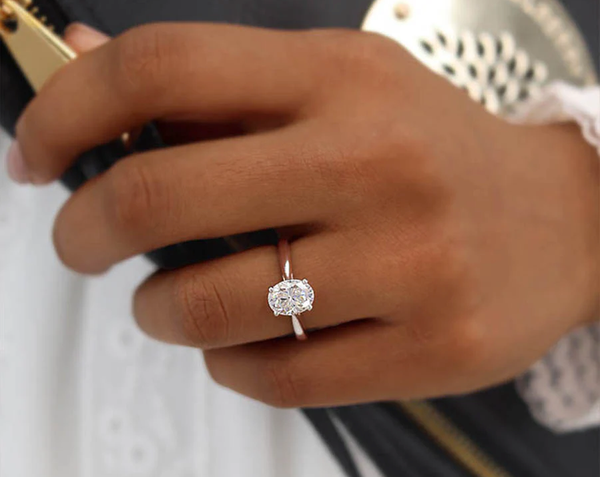
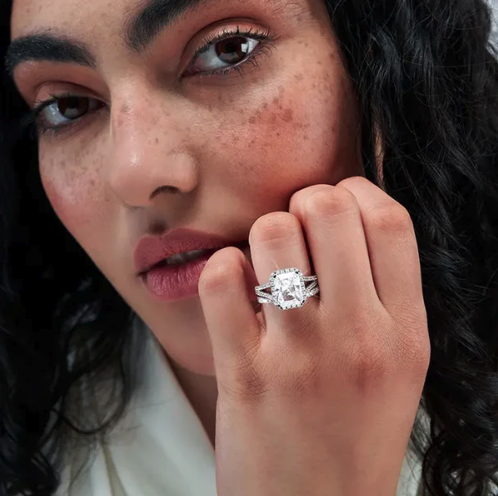
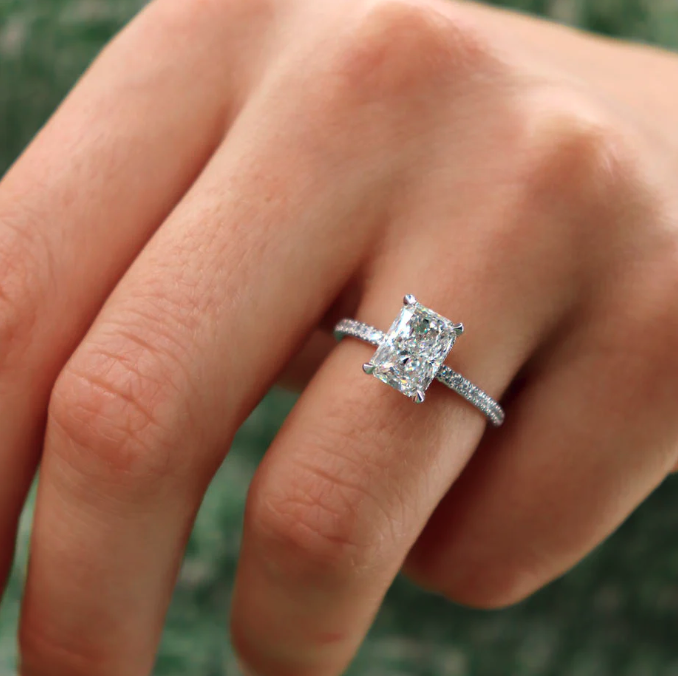
Even traditionally “luxury” elements can feel understated when handled carefully. A vintage car, a handwritten letter, a piece of family jewellery or a bespoke ring presentation can elevate the moment without tipping into excess. The difference lies in intention. Each element should serve the story, not distract from it.
Importantly, avoiding overdone proposals does not mean avoiding romance. It means redefining it. Romance becomes about attentiveness, listening and alignment rather than surprise alone. The most successful luxury proposals often feel inevitable rather than shocking, because they arrive at the right emotional moment.
UK jewellers and proposal planners increasingly report that couples want experiences that reflect who they are rather than what is expected. This shift mirrors broader changes in luxury consumption, where authenticity consistently outperforms extravagance.
Ultimately, luxury proposal ideas that do not feel overdone share a common thread. They are designed for the couple, not the audience. They prioritise atmosphere over amplification, meaning over mechanics. They feel calm, confident and deeply considered.
The UK offers countless opportunities for this kind of proposal. Its landscapes, cities and cultural spaces provide richness without requiring embellishment. When approached with restraint, these settings allow love itself to take centre stage.
In a culture increasingly fatigued by spectacle, the most luxurious proposal may simply be one that feels true. Thoughtful, personal and quietly unforgettable, it reflects a new understanding of luxury — one that values depth over display.