Platinum vs Gold Engagement Rings – Finding the Right Metal for Your Lifestyle
When choosing an engagement ring, most of us think first about the diamond. Yet the metal beneath it plays an equally important role. Platinum and gold each have their own appeal - one prized for its endurance, the other for its versatility.
As the GIA explains, the right metal depends as much on your lifestyle as your taste. This guide explores how platinum and gold perform in everyday life, helping you find a ring that looks perfect and lasts beautifully.
Strength and Durability
Platinum is naturally strong, dense and resistant to corrosion. Its purity (usually 95%) makes it hypoallergenic and ideal for everyday wear. It doesn’t lose material when scratched, meaning it will last for generations with minimal maintenance.
Gold, while softer, remains remarkably durable when alloyed correctly. Lower carats such as 14ct or 9ct gold contain more strengthening metals, improving resistance to scratches. As The Assay Office notes, hallmarking ensures that each alloy meets the legal minimum purity standards, guaranteeing consistent quality.
Aesthetic Appeal
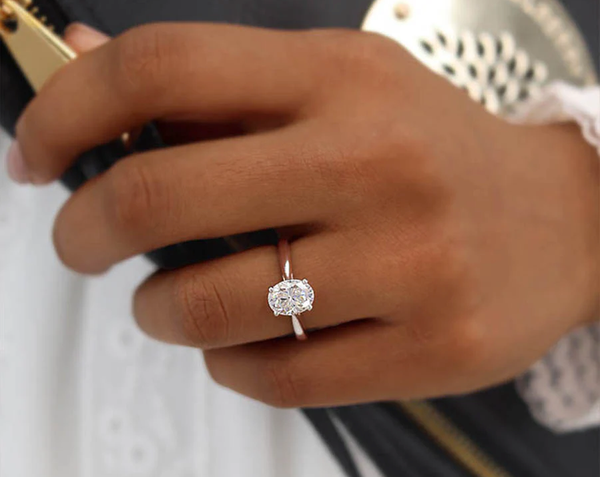
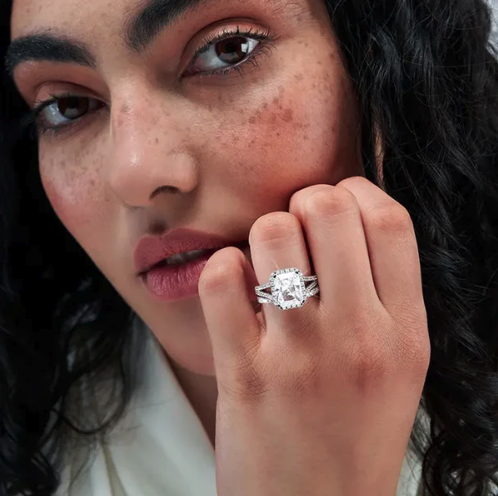
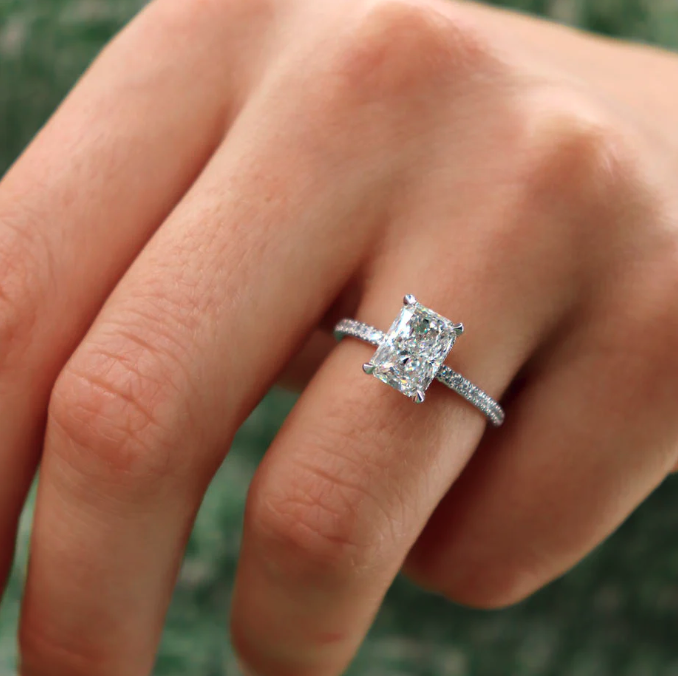
The visual difference between the metals is striking. Platinum offers a crisp, white tone that complements clear diamonds, while gold can be yellow, white or rose depending on alloy composition.
Trends move in cycles. Reuters has reported that rose gold continues to see renewed popularity, especially among younger buyers drawn to its warm, vintage-inspired tone. Yellow gold, too, is re-emerging as a nostalgic favourite, while platinum remains a symbol of understated luxury.
Affordability and Value
Platinum is rarer and denser, which generally makes it more expensive than gold. However, because it wears slowly, it can be cost-effective in the long run.
Gold offers more flexibility. Buyers can choose different carats and colours to suit their preferences and budgets. As The Royal Mint notes, gold has long been a benchmark of financial stability, with enduring value beyond its beauty.
Ethical and Practical Considerations
Both metals are precious and require responsible sourcing. The Royal Mint and global bodies continue to promote traceable, ethical metal supply chains. When buying a ring, always ensure that both the diamond and the metal are responsibly sourced and hallmarked in accordance with UK law.
Platinum’s hypoallergenic qualities make it particularly suitable for sensitive skin, while gold’s range of hues offers greater design creativity.
Maintenance and Longevity
Platinum develops a soft patina over time, which some see as part of its charm. It can easily be polished if you prefer a high-shine finish.
White gold, by contrast, is coated with rhodium to give it a bright finish similar to platinum. This plating gradually wears off and needs reapplication every few years. Yellow and rose gold require less maintenance but may show scratches sooner.
Conclusion
Platinum suits those who value permanence, purity and a cool-toned aesthetic. Gold is ideal for buyers who enjoy choice, warmth and timeless appeal.
Both remain luxurious options with rich heritage and enduring value. Whichever you choose, a hallmark from The Assay Office confirms authenticity and quality, ensuring your ring stands the test of time, just like your commitment.