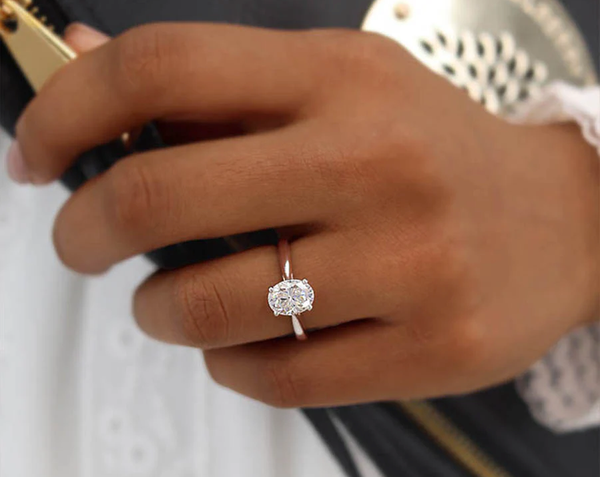
Sustainability Aftercare: How to Maintain, Repair and Recycle Engagement Rings in a Sustainable Way
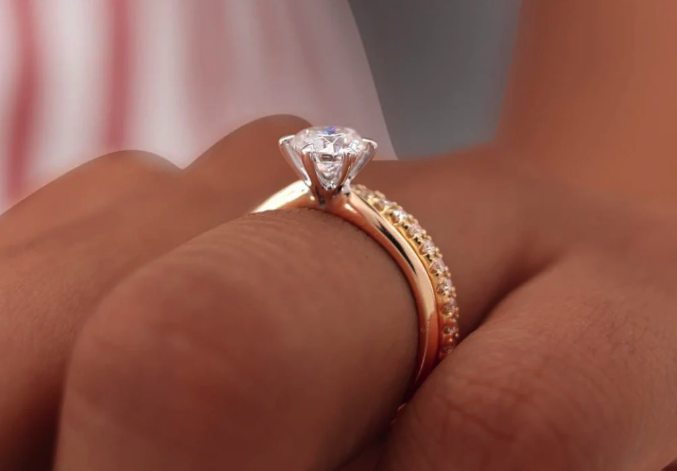
An engagement ring is far more than a piece of jewellery: it is a story of commitment, love and shared memories. But as we become more conscious of our impact on the planet and our choices as consumers, the question arises not just how the ring was made, but how it is kept. In 2026, sustainability in jewellery extends beyond sourcing into the realm of aftercare. Couples in the UK are increasingly asking: how can we ensure our symbol of forever remains responsible, long after the proposal? The answer lies in a thoughtful approach to maintenance, repair and recycling — a full lifecycle of care that honours both craft and conscience.
Why Aftercare Matters
Fine jewellery production carries an environmental footprint that begins with mining and continues through manufacturing, shipping and disposal. Extending the lifespan of an engagement ring has a direct positive effect on reducing that footprint. For instance, by prioritising restoration over replacement, the need for new material extraction and manufacturing can be significantly reduced. According to findings cited by sources such as the BBC, extending product lifespans plays a crucial role in lower resource consumption. In the context of engagement rings, aftercare becomes a powerful act of stewardship — preserving value, sentiment and sustainability in one.
Gentle, Responsible Maintenance
Traditional cleaning methods for jewellery often rely on strong solvents or ultrasonic machines that may be harmfully indiscriminate. A sustainable approach begins with simplicity: warm water, a gentle biodegradable soap and a soft brush can go a long way to keep a ring sparkling without the environmental cost. Regular inspections, ideally once a year, ensure settings remain secure and metal integrity is maintained. Many UK jewellers now offer eco-aware services using non-toxic cleaning systems and water-based polishing, aligning craft with care. As highlighted by sources like Country Living UK, “small rituals are the greenest luxury.” Consistent, considered care means less chance of damage and fewer major interventions down the line.
Repair: Keeping the Craft Alive
Repairing a ring rather than replacing it embodies sustainability and supports artisanal skills that are unique to the UK jewellery trade. Resizing, re-polishing and tightening claw settings may seem modest tasks, yet they extend a ring’s life dramatically and retain its emotive value. Workshops across cities like London’s Hatton Garden and Birmingham’s Jewellery Quarter are embracing low-impact practices: using recycled solder, electric rather than gas torches, and recycling off-cuts rather than discarding them. The Goldsmiths’ Company, which has long promoted excellence in jewellery craft, now recognises repair as essential to ethical luxury.
Ethical jewellers such as Lily Arkwright demonstrate this model by offering lifetime after-care for their lab-grown diamond collections, showing that sustainability extends beyond the shop floor.
Recycling and Re-Imagining
When the style of the ring no longer reflects its wearer, recycling offers an inspiring alternative to simple discard. Precious metals like gold and platinum retain their value through multiple lifecycles, and gemstones can be reset into new settings. According to metrics from sources like Forbes, re-using existing materials can reduce environmental impact by up to 80 % compared with fresh extraction. In Britain, workshops now offer “closed-loop” services: clients trade in unwanted pieces and receive credit toward a redesigned heirloom. This approach reflects a broader cultural shift, where as noted by the The Guardian, “the heirlooms of tomorrow are born from the pieces of yesterday.” Recycling jewellery means telling a new chapter of the same story.
Smart Storage and Heritage Preservation
Even the finest pieces need the right storage environment and documentation to preserve their story and material worth. Rings stored in soft-lined boxes, away from light and humidity, avoid tarnish and degradation of metal or stone. For heirloom pieces this is particularly important: certificates, appraisals and service records form a provenance trail that adds value and trust. As noted by the fashion commentary of Vogue UK, “careful record-keeping is the invisible polish that keeps the jewellery shining across generations.” Good storage and documentation transform a ring from a purchase into a legacy.
Choosing Ethical Aftercare Professionals
Selecting the right jeweller for maintenance or redesign is as important as the original purchase. A genuinely ethical workshop will use recycled metals, offer transparency about sourcing and waste practices, and may hold accreditation from bodies such as the Fairtrade Foundation or the Responsible Jewellery Council. As reported by sustainability commentary, transparency has become a key factor in modern luxury purchasing decisions. Before handing over your treasured ring, ask about their repair processes, sourcing of materials, and how they minimise environmental impact. When you choose a jeweller aligned with your values, aftercare becomes part of the ethical promise, not an after-thought.
From Ownership to Stewardship
In the broader cultural landscape of Britain, sustainability is increasingly defined by longevity and reuse rather than novelty. The concept of “considered consumption,” as discussed by the BBC’s culture reporting, means fewer, better-made items that carry meaning rather than mere status. Engagement rings are a perfect embodiment of this shift. Caring for a ring, repairing it, recycling it — these actions mirror a philosophy where beauty and responsibility are inseparable. For couples, this means choosing not just a ring, but a journey of stewardship: the promise of love extended to the world beyond the two of them.
Conclusion
An engagement ring is more than a moment. Its beauty lies not just in how it looks on day one, but how it evolves with its wearer. By adopting sustainable after-care — gentle cleaning, responsible repair, creative recycling — you ensure your symbol of commitment remains ethical, meaningful and enduring. As Vogue UK observed, “the most responsible sparkle is the one that never fades.” In today’s Britain, that sparkle is rooted both in the hand it adorns and the world it leaves behind.