The Champagne Sapphire: Natural Origins, Lab Innovation and the Rise of Warm-Toned Elegance
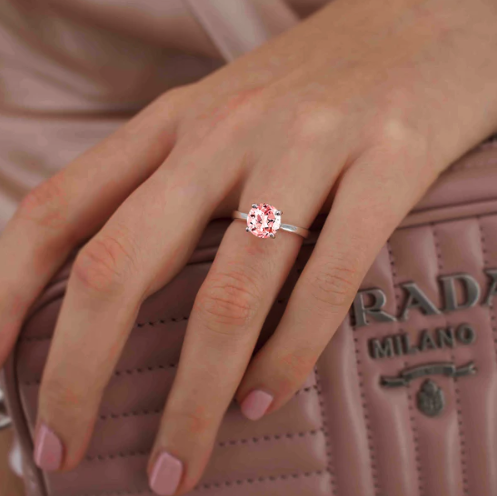
The champagne sapphire occupies a quietly distinctive place in the gemstone world. Neither overtly colourful nor traditionally neutral, it sits in a spectrum of warm tones that feel refined, contemporary and deeply wearable. In 2026, champagne sapphires are gaining renewed attention as buyers look beyond primary colours and towards stones that feel nuanced, expressive and timeless.
This growing interest reflects a wider shift in how gemstones are understood. Rather than focusing purely on rarity or convention, buyers are paying closer attention to tone, character and longevity. Champagne sapphires, whether natural or lab grown, speak directly to this mindset.
To understand why, it helps to look first at what defines a champagne sapphire and how its distinctive hues came to be appreciated.
Sapphires belong to the corundum family, a mineral group known for exceptional hardness and durability. According to mineralogical research published by The Natural History Museum, corundum ranks just below diamond on the Mohs scale, making sapphires particularly well suited to jewellery intended for daily wear.
While sapphires are most commonly associated with blue, the gemstone occurs naturally in a wide range of colours. Champagne sapphires sit within the yellow to brown spectrum, often displaying subtle undertones of peach, honey, bronze or soft amber. These tones arise from trace elements within the crystal structure, particularly iron, and from the way light interacts with the stone’s internal growth patterns.
Gem colour science outlined by GIA explains that champagne sapphires are prized not for saturation alone, but for balance. The most sought-after stones exhibit warmth without heaviness, depth without darkness and a soft glow rather than sharp contrast.
The discovery of natural champagne sapphires is closely tied to regions known for corundum deposits. Historically, Sri Lanka, Madagascar and parts of East Africa have produced sapphires in warm yellow and brown hues. Geological mapping referenced by The Geological Society of London highlights how varying mineral conditions in these regions contribute to colour diversity within corundum.
For much of gemstone history, these warmer sapphires were overlooked in favour of vivid blues and pinks. Market preference played a significant role. Colour hierarchy often reflected fashion and tradition rather than intrinsic beauty.
That hierarchy has softened.
In recent decades, appreciation for champagne sapphires has grown as buyers seek stones that feel individual rather than conventional. Editorial coverage from Vogue has noted a broader shift towards earth-toned gemstones in fine jewellery, driven by a desire for subtle luxury and personal expression.
Champagne sapphires align naturally with this aesthetic. Their hues complement a wide range of metals, particularly yellow gold, rose gold and warm platinum alloys. They also adapt beautifully to both minimalist and detailed settings.
As interest has grown, so too has curiosity about consistency, sourcing and alternatives. This has led many buyers to explore lab grown champagne sapphires.
Lab grown sapphires are not simulants. They are chemically and structurally identical to natural sapphires. According to materials science research published by Nature Materials, lab grown corundum replicates the same crystal lattice and optical properties found in mined stones.
The primary difference lies in origin. Natural sapphires form over millions of years under geological pressure. Lab grown sapphires are created under controlled conditions that replicate those natural processes in a matter of weeks.
This technological advancement has transformed access to champagne sapphire tones.
One of the challenges with natural champagne sapphires is variability. While this variability can be part of their charm, it can also make it difficult to source stones with specific hues or matching pairs for jewellery design.
Lab grown sapphires offer consistency. Hue, saturation and clarity can be carefully controlled, allowing designers to work with precise colour palettes. This has opened new creative possibilities within fine jewellery.
The growth of lab grown gemstones has been supported by long established innovators such as Chatham Gemstones, whose work in laboratory-grown corundum dates back decades. Their approach has helped legitimise lab grown sapphires as fine jewellery materials rather than technological curiosities.
Importantly, lab grown champagne sapphires are not intended to replace natural stones. They exist alongside them, offering choice.
This emphasis on choice reflects a broader cultural shift. Jewellery buyers are increasingly informed and intentional. Rather than defaulting to tradition, they seek stones that align with personal values, lifestyle and aesthetic preferences.
Cultural analysis from The British Academy suggests that modern luxury is increasingly defined by self-expression rather than inherited norms. Champagne sapphires, with their understated warmth, fit naturally into this framework.
The appeal of champagne sapphires also lies in their emotional versatility. Unlike more saturated stones, their tone adapts to light and context. In daylight, they can appear bright and luminous. In evening light, they deepen into richer, more intimate shades.
This adaptability makes them particularly appealing for engagement rings and fine jewellery intended for everyday wear. Their warmth feels personal rather than performative.
In contemporary design, champagne sapphires are often paired with refined settings that allow the stone’s natural character to take centre stage. Clean lines, low profiles and balanced proportions enhance their subtle colour rather than overpower it.
Design commentary from Dezeen has highlighted how modern jewellery increasingly favours restraint and material honesty. Champagne sapphires embody this approach, offering depth without excess.
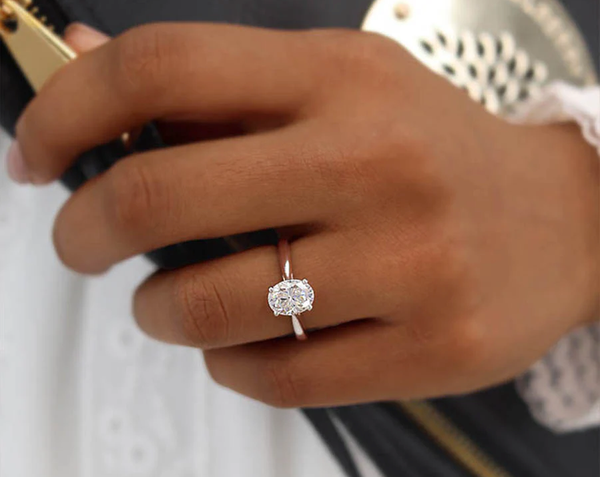
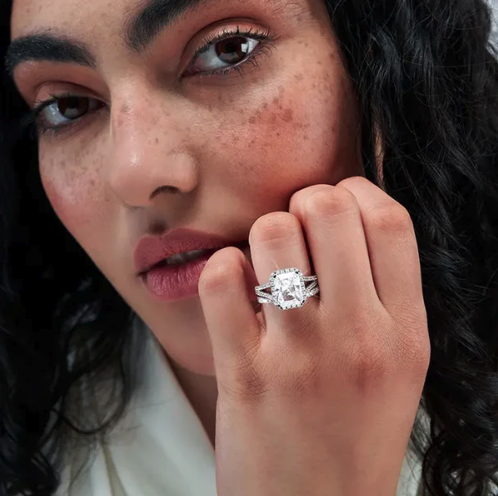
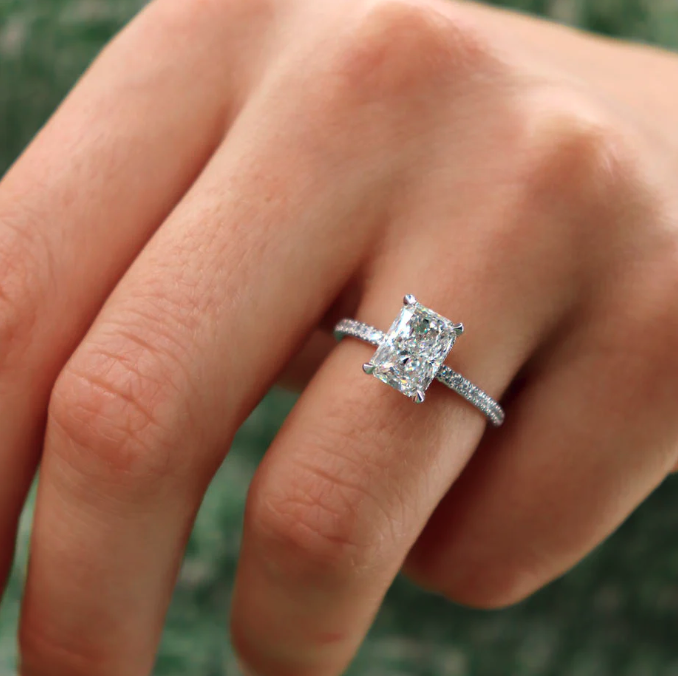
The growing popularity of lab diamond champagne sapphire engagement rings reflects this design philosophy. These pieces combine the warmth of champagne sapphires with contemporary craftsmanship, creating rings that feel both modern and enduring.
From a practical perspective, sapphires are exceptionally well suited to engagement rings. Their hardness ensures long term durability, while their resistance to scratching makes them ideal for daily wear. Guidance from The Gemmological Association of Great Britain consistently ranks sapphire among the most practical gemstones for lifelong jewellery.
Whether natural or lab grown, champagne sapphires meet these criteria comfortably.
Another factor shaping their rise is a growing appreciation for stones that age gracefully. Champagne sapphires do not rely on trend-driven colour intensity. Their appeal lies in nuance, which tends to endure beyond fashion cycles.
Psychological research discussed by Psychology Today suggests that individuals often form stronger long term attachments to objects that feel personal rather than conspicuous. Jewellery that blends seamlessly into daily life often carries greater emotional longevity.
Champagne sapphires support this kind of attachment. They are distinctive without demanding attention.
Ethical considerations also play a role in buyer decision making. While natural sapphire mining can be responsibly managed, traceability varies by region. Lab grown sapphires offer a clear alternative for those prioritising transparency.
Environmental analysis from National Geographic has explored how lab grown gemstones can reduce environmental disruption associated with traditional mining, particularly when production is powered by responsible energy sources.
For many buyers, this clarity complements the emotional appeal of champagne sapphires. The stone becomes not just a design choice, but a considered one.
Looking ahead, champagne sapphires appear well positioned within the future of fine jewellery. Their tones align with broader movements towards warmth, subtlety and personal expression. Their durability ensures longevity. Their availability in both natural and lab grown forms ensures choice.
As jewellery continues to move away from rigid definitions of value, stones like the champagne sapphire gain space to be appreciated on their own terms.
In 2026, the champagne sapphire represents a confident middle ground. It bridges tradition and innovation, nature and science, individuality and refinement.
Whether chosen for its natural geological history or its precise lab grown consistency, the champagne sapphire offers something increasingly rare in modern luxury: quiet assurance.
It does not need to shout to be noticed. It endures because it feels right, now and for years to come.