THE DIAMOND COLOUR RENAISSANCE: WHY WARM TONES ARE BACK FOR 2026
Warm toned diamonds are experiencing an extraordinary revival in 2026, reshaping the landscape of British engagement ring preferences. After a decade defined by icy white brilliance and strict colour grading expectations, UK couples are now moving toward stones with depth, personality and subtle romance. As Vogue UK noted in a recent jewellery trend forecast, colour is no longer considered a compromise but a statement. Champagne, cognac and light yellow diamonds are being reinterpreted through a modern lens, with designers embracing softness, nuance and effortless luxury.
Part of this shift can be traced to a wider cultural movement. The British desire for authenticity has grown steadily since the pandemic, and warm toned stones carry an organic, grounded beauty that resonates with younger generations. The crisp perfection once associated with high colour grades now feels sterile to many buyers seeking individuality. According to The Guardian Fashion, contemporary couples want rings that feel more personal than traditional white diamonds, and coloured tones provide a sense of intimacy that mass-market brilliance often lacks.
Cinema and television have also played a role in this revival. Period dramas such as Bridgerton have brought warm gold settings and antique cuts back into the spotlight, subtly reintroducing viewers to diamonds that existed before the modern obsession with colourlessness. The revival of vintage aesthetics has encouraged buyers to reconsider what beauty looks like, and warm toned diamonds, once dismissed as lesser stones, are now celebrated for their antique charm and painterly light.
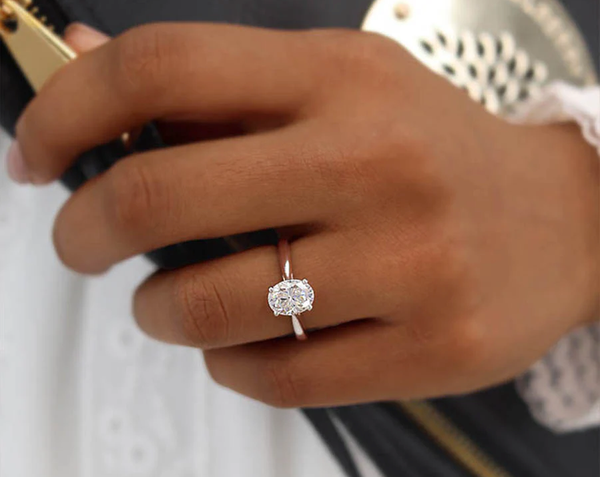
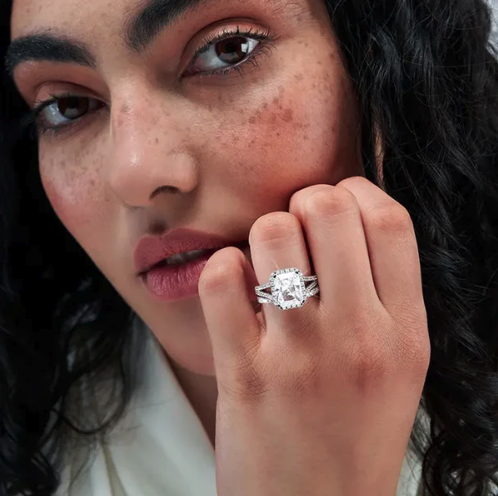
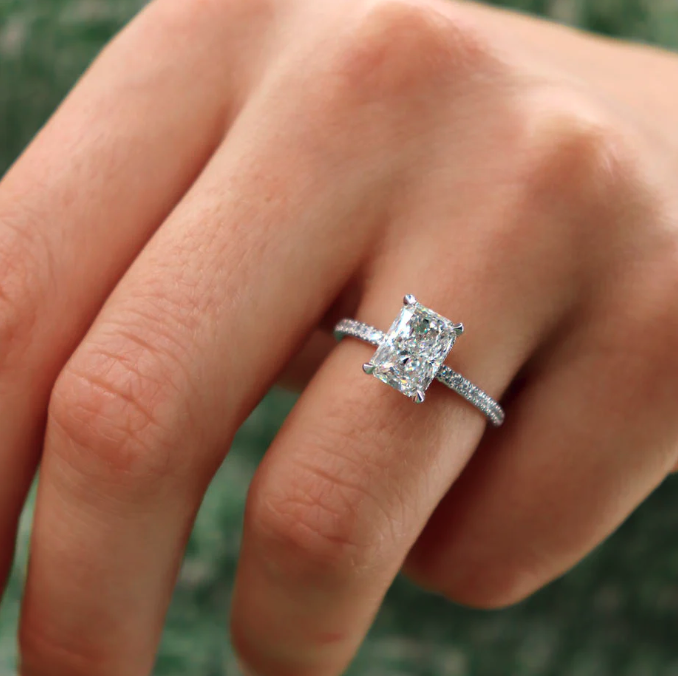
Warm tones appear particularly striking in certain cuts. Elongated ovals, French tips, old mine cuts and emerald cuts allow colour to bloom softly throughout the stone. The effect is often compared to candlelight, with a gentle radiance that contrasts sharply with the stark sparkle of traditional white diamonds. This softer luminosity feels more in tune with the growing minimalist luxury trend, which prioritises refinement over ostentation.
The rise of sustainable and lab grown diamonds has further supported the popularity of warm hues. Laboratory creation allows designers to experiment with colour in ways natural mining cannot always offer. As BBC Culture explains, the acceptance of lab grown stones has widened consumer imagination, making coloured diamonds more accessible and socially embraced. Rather than being positioned as second tier, warm tones are now a deliberate and desirable choice.
Social media trends have amplified this transformation. Platforms like Instagram and Pinterest are filled with muted palettes, vintage inspired styling and sepia toned jewellery flatlays. Engagement ring influencers increasingly showcase champagne and cognac stones, often paired with yellow gold or textured bands. These images have shaped aesthetic expectations for Gen Z and younger millennials, who gravitate toward curated imperfection rather than the overly polished look of the 2010s.
The return of yellow gold has also contributed to the warm diamond renaissance. Yellow gold flatters champagne and cognac tones beautifully, enriching their colour and creating a cohesive, timeless look. The preference for yellow gold has grown steadily, with Financial Times reporting a strong surge in gold jewellery purchases through 2025 and 2026. The combination of warm metal and warm diamond feels both modern and ancient, offering a visual complexity difficult to achieve with colder metals.
Celebrity styling plays a predictable yet powerful role. Recent red carpet appearances have embraced coloured stones broadly, and warm toned diamonds have featured in earrings, cocktail rings and pendants worn by actors and musicians. While white diamonds remain the default in Hollywood, stylists have increasingly used coloured stones to soften evening looks and add narrative depth.
Part of the appeal also lies in symbolism. Champagne diamonds evoke warmth, comfort and celebration. Cognac diamonds represent resilience and grounding. Soft yellow diamonds carry associations with optimism and creativity. Many buyers now select diamonds based on emotional resonance rather than strict grading, reflecting a broader shift toward intentional consumption.
For jewellers, the resurgence offers creative freedom. Designers can play with mixed metals, Art Deco influences and experimental proportions. Warm toned diamonds harmonise beautifully with hand engraved details, millegrain textures and antique inspired mounts, sparking renewed interest in craft techniques that prioritise touch and artistry.
Ultimately, the rise of warm toned diamonds in 2026 is not merely a design trend but a cultural recalibration. UK couples are embracing rings that feel personal, meaningful and aesthetically rich. Rather than striving for colourlessness, they are leaning into nuance, shade and story. The warmth of these stones represents a gentler kind of luxury, one that reflects identity rather than conformity. As British jewellery continues to evolve, the diamond colour renaissance appears not only fashionable but enduring.