The Emotional Longevity Test: Will You Still Love Your Ring in 20 Years?
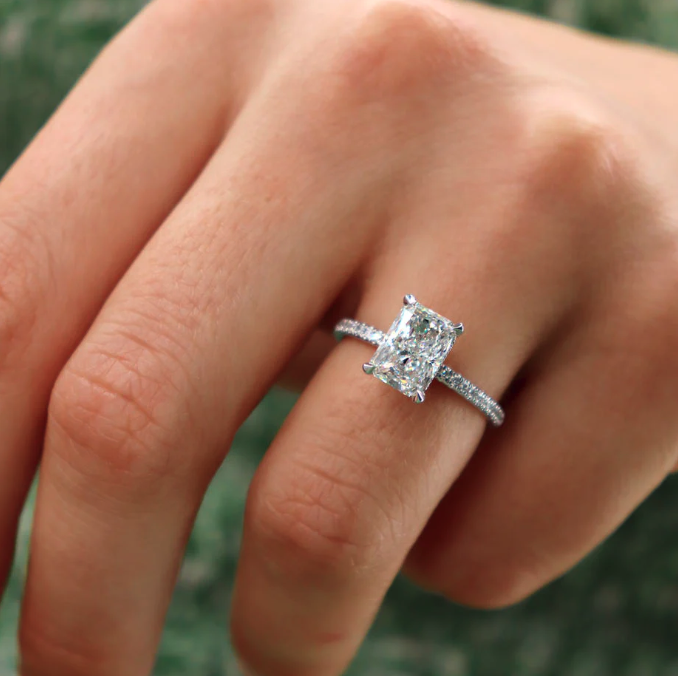
When choosing an engagement ring, most decisions are made in the present tense. How does it look now, how does it feel on the hand today, how does it photograph in this moment. Yet the true success of an engagement ring is rarely revealed in the first year or even the first decade. Its real measure is emotional longevity. Will this ring still feel meaningful, relevant and deeply loved twenty years from now.
This question sits at the heart of modern jewellery buying. In 2026, couples are more thoughtful, more informed and more self aware than ever before. The emotional longevity test is not about trend resistance alone. It is about history, symbolism, material integrity and how human attachment evolves over time.
To understand what gives a ring lasting emotional power, it helps to look back to where gemstones themselves began.
Long before engagement rings existed, gemstones were prized for their rarity and perceived permanence. Archaeological evidence referenced by The British Museum shows that gemstones were worn as symbols of protection, status and continuity as early as ancient Mesopotamia and Egypt. Lapis lazuli, carnelian and quartz were valued not just for beauty, but for their endurance.
Diamonds entered human history later. According to geological research published by The Natural History Museum, diamonds were first discovered in India over 2,000 years ago. Their extreme hardness set them apart immediately. Early cultures associated diamonds with invincibility, clarity and eternal strength, qualities that later became central to their role in engagement rings.
The association between diamonds and lifelong commitment is relatively recent. Historical analysis from The Smithsonian Institution notes that diamonds only became widely linked to engagement rings in Europe during the Renaissance, when aristocratic betrothals used them to symbolise permanence and fidelity.
Gemstones more broadly have always carried emotional meaning tied to human values. Emeralds symbolised rebirth, sapphires wisdom, rubies passion. These associations evolved over centuries and across cultures, reinforcing the idea that emotional attachment to jewellery is rarely accidental.
As engagement rings became more widespread in the nineteenth and twentieth centuries, diamonds emerged as the dominant choice. Industrial mining expanded availability, while cultural narratives around durability and eternity took hold. Yet even then, emotional longevity was not guaranteed. Rings chosen to satisfy social expectation often aged poorly in sentiment, even if the materials themselves endured.
Cultural commentary from The Victoria and Albert Museum explores how jewellery styles tied too closely to a specific era can lose emotional resonance over time. When a ring reflects fashion more than personal identity, its meaning can fade as tastes evolve.
This is where the emotional longevity test becomes relevant. A ring that passes it is rarely the most extreme or trend driven choice. Instead, it is one that aligns with the wearer’s values, lifestyle and sense of self.
Material plays a crucial role. Diamonds and many gemstones endure physically for millennia, but emotional endurance depends on more than hardness. It depends on whether the story behind the stone continues to feel relevant.
Modern gem science, documented by the Gemological Institute of America, confirms that both natural and lab grown diamonds share the same crystal structure and durability. From a physical perspective, either can last well beyond a human lifetime. The difference lies in narrative and intention.
Natural diamonds carry geological history measured in billions of years. For some, this deep time connection adds emotional weight. Knowing a stone formed far beneath the earth long before human history can feel profoundly grounding.
Lab grown diamonds and gemstones, by contrast, carry a different but equally modern narrative. They reflect human ingenuity, scientific progress and intentional choice. Rather than being shaped by chance geology, they are shaped by values around transparency, sustainability and access.
Industry analysis from Forbes has explored how lab grown gemstones have reframed ideas of value and meaning. Emotional attachment is increasingly driven by alignment with personal ethics rather than rarity alone.
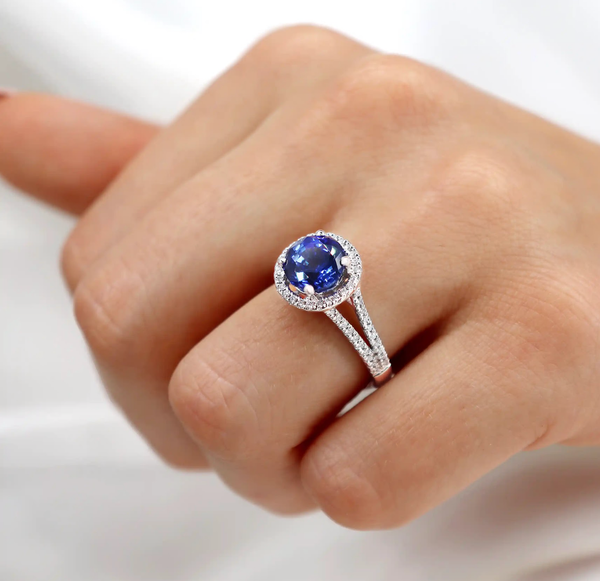
This is particularly true for coloured gemstones and speciality stones such as emeralds, sapphires and alexandrite. Laboratory growth has allowed these stones to be appreciated for their beauty and symbolism without the constraints of extreme scarcity.
Among the pioneers of this movement is Chatham Gemstones, a company that has grown laboratory gemstones since the 1930s. Chatham stones are grown slowly over many months, replicating natural crystal development rather than manufacturing simulants. For many buyers, this continuity between nature and science enhances emotional connection rather than diminishing it.
The emotional longevity of a ring is also influenced by design. Rings chosen to meet trends rather than personal comfort often struggle over time. Settings that snag, stones that feel vulnerable or proportions that feel exaggerated can slowly erode affection.
Design analysis from Dezeen shows that jewellery designs rooted in proportion and balance tend to age more gracefully than those driven by novelty. Emotional attachment is reinforced when a ring feels natural to wear, not something that requires adjustment.
Lifestyle matters deeply. In twenty years, the wearer will have changed. Careers evolve, hands age, routines shift. A ring that integrates seamlessly into daily life is more likely to remain beloved.
Psychological research discussed by Psychology Today suggests that objects associated with ease and positive reinforcement maintain stronger emotional bonds. Jewellery that causes irritation or anxiety tends to be worn less, weakening attachment over time.
Cultural attitudes towards jewellery have also shifted. Engagement rings are now everyday objects rather than ceremonial ones. This makes comfort, durability and adaptability central to emotional longevity.
Work and lifestyle reporting from BBC Worklife highlights how blurred boundaries between personal and professional life influence what people wear daily. Rings that function across multiple contexts are more likely to remain part of a person’s identity.
Ethics increasingly shape emotional attachment. Many buyers now ask whether they will still feel proud of their choice decades later. Sourcing, environmental impact and transparency play a growing role in this reflection.
Environmental analysis from National Geographic has explored how awareness of resource extraction affects consumer sentiment over time. Jewellery choices made with ethical clarity often retain emotional integrity longer.
This does not mean natural stones fail the emotional longevity test. For many, natural diamonds and gemstones represent continuity, heritage and tradition. What matters is that the choice is conscious rather than inherited.
Auction histories reported by Christie’s demonstrate that jewellery with strong personal or historical narratives retains emotional and cultural value regardless of shifting trends. Story sustains attachment.
The emotional longevity test also asks whether the ring reflects the relationship it symbolises. Relationships evolve, deepen and mature. Rings that allow space for that evolution tend to feel more enduring.
Sociological research from The London School of Economics has examined how shared decision making strengthens long term satisfaction. Rings chosen collaboratively often carry layered meaning that grows rather than fades.
This is one reason bespoke or intentionally selected rings often pass the test more easily than those chosen under pressure. Emotional longevity thrives on agency.
Luxury market commentary from The Financial Times has noted that modern luxury is defined less by status and more by relevance. Rings that remain relevant to the wearer’s life retain emotional power.
In twenty years, trends will have shifted again. Shapes will cycle, settings will rise and fall. What endures is alignment. A ring that aligns with values, comfort and identity is far more likely to be loved long term.
The emotional longevity test is not about predicting taste perfectly. It is about choosing with self awareness. Rings chosen with intention tend to adapt emotionally even as aesthetics evolve.
Natural diamonds and gemstones offer one path to that endurance. Lab grown diamonds and gemstones offer another. Both can pass the test when chosen thoughtfully.
What matters is not whether the stone is ancient or laboratory grown, but whether it continues to feel like a true expression of the wearer.
In twenty years, the ring will carry layers of memory. It will have witnessed change, growth and resilience. Its emotional value will come from that shared history as much as its material origin.
A ring that passes the emotional longevity test does not freeze time. It evolves with it.
And that is precisely why it lasts.