The Emotional Value of Jewellery | Why Meaning Matters More Than Carats in 2026
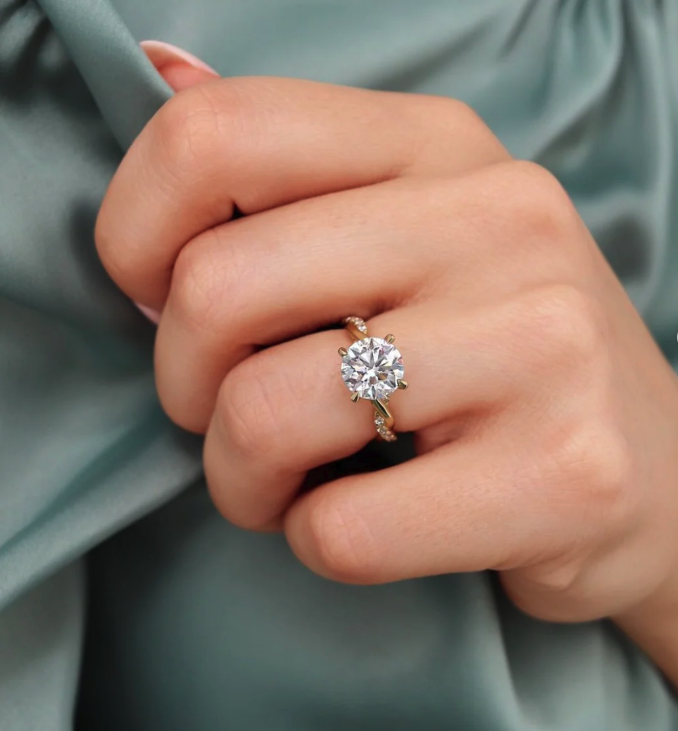
For centuries, the worth of jewellery was measured in weight, clarity and carats. But in 2026 Britain, a quiet revolution is changing how we define value. Increasingly, people are choosing pieces not for status but for story — for what they mean rather than how much they’re worth.
From recycled-gold engagement rings to heirloom pendants worn daily, sentiment has begun to outshine sparkle. As BBC Culture observed, “possessions that hold emotion rather than excess are shaping the way we express love.” Jewellery has become less about adornment and more about identity, connecting memory, legacy and emotion in tangible form.
The Psychology of Preciousness
Why do certain objects mean more than others? Psychologists at Psychology Today have long explored the emotional bond between people and possessions. Their research shows that items associated with life milestones — engagements, births, achievements, or even loss — anchor our memories and reinforce a sense of self.
Jewellery, because it is worn close to the body, occupies a unique space in this emotional landscape. It carries not just beauty but belonging. When a person slips on a ring inherited from a grandmother or gifted by a partner, they wear a link to another time and person. That continuity gives comfort, purpose and identity.
As cultural writer Dr Sasha Roseneil told The Guardian Lifestyle, “to wear something that once belonged to someone you love is to feel accompanied, even in absence.”
From Heirloom to Everyday
Across the UK, there has been a resurgence in heirloom-style jewellery — pieces that are meant to endure, be repaired and passed on. Workshops in Birmingham’s Jewellery Quarter and Edinburgh’s Grassmarket are restoring vintage engagement rings and re-setting old stones into modern designs.
The trend mirrors wider movements towards sustainability and mindful consumption. Vogue UK recently described this shift as “luxury that feels lived in.” Buyers are less concerned with flawless stones and more with pieces that hold personal resonance.
An heirloom locket or signet ring may carry more emotional gravity than a new diamond. The scratches, the wear, the history — they become part of the design. As Country Living UK noted, “imperfection tells a story that perfection can’t.”
The Rise of “Sentimental Minimalism”
Post-pandemic consumer behaviour has re-centred emotion over materialism. Many people reassessed what they valued, leading to what analysts have dubbed “sentimental minimalism” — owning fewer things but attaching greater meaning to each.
In jewellery, this manifests as delicate daily pieces: a partner’s initials on a pendant, a fingerprint engraved inside a ring, or a charm symbolising a child’s birth month. These items are modest in cost but immense in meaning.
Retail data from the UK Jewellery Council suggests demand for personalised jewellery rose 35 per cent in 2025, a trend attributed to a desire for connection in an increasingly digital world. As BBC Culture commented, “objects have become emotional anchors in a time of flux.”
Cultural Shifts in Gifting
Gifting traditions are evolving too. Where once jewellery was primarily romantic, it is now given to mark friendships, family ties and achievements. Men are buying bracelets for brothers, mothers are gifting daughters signet rings engraved with empowering messages, and friends exchange pendants as modern-day tokens of loyalty.
This cultural broadening reflects a wider movement towards inclusivity in emotion — the idea that sentiment need not be reserved for romantic love. As The Guardian Lifestyle recently observed, “we are redefining the occasions that deserve to be celebrated.”
Such shifts also challenge the outdated idea that jewellery’s purpose is to display wealth. In 2026 Britain, jewellery has become a vocabulary for connection rather than competition.
Sustainable Emotion
Ethics and emotion now go hand in hand. Buyers increasingly equate emotional value with environmental responsibility. A ring made from recycled gold or set with a lab-grown diamond carries moral satisfaction alongside aesthetic pleasure.
Jewellers who prioritise traceability and repairability are finding loyal clients who see sustainability as part of sentiment. When a ring can be maintained for decades rather than replaced, it mirrors enduring affection.
Vogue Business reported that 70 per cent of millennial and Gen Z consumers in the UK associate “sustainable” with “meaningful.” The concept of forever has expanded — it includes the planet as well as the relationship.
The Emotional Economy of Jewellery
Sociologists describe jewellery as part of the “emotional economy” — objects that hold social and sentimental capital rather than financial return. This helps explain why people rarely sell inherited pieces, even in hardship; their value cannot be replaced in currency.
A survey by The Telegraph Lifestyle found that 82 per cent of respondents considered their most cherished item to be a piece of jewellery, not their most expensive one. The intrinsic bond between memory and metal has become stronger as experiences increasingly overshadow possessions in importance.
As Psychology Today notes, such attachments foster emotional continuity — they let us carry loved ones and memories into the present.
Jewellery as Storytelling
Every ring, pendant or pair of earrings tells a story: of who we are, where we’ve been and who we hold dear. In that sense, jewellery operates as wearable biography.
Writers at BBC Culture describe this as “the intimacy of adornment” — the ability of an object to communicate identity silently. Whether a recycled silver bangle made on a gap-year trip, or an engagement ring redesigned from a family heirloom, the narrative is the ornament.
Designers are increasingly collaborating with clients to capture those stories, transforming sentimental ideas into tangible forms. It is artistry driven by empathy as much as aesthetics.
Conclusion
The emotional value of jewellery cannot be measured in carats or clarity. It resides in memory, meaning and the connection between people and time.
In 2026 Britain, where conscious luxury and emotional intelligence define modern living, jewellery has become less about ownership and more about expression. A ring may still sparkle, but its true brilliance lies in what it represents: love remembered, relationships renewed, and values that endure.
As BBC Culture beautifully summarised, “the most precious thing about jewellery is not what it’s made of, but what it makes us feel.”