The Engagement Ring Aesthetic of 2026 | Minimalist UK Trends
The engagement ring has always been a deeply personal object, but in 2026 the British engagement ring landscape looks distinctly different from even a decade ago. The rise of quiet luxury, a shift toward understated elegance and a renewed focus on craftsmanship are reshaping the way UK couples choose rings. What was once a market dominated by large centre stones and dramatic halos is now driven by design purity, refined details and settings that whisper sophistication rather than shout it. According to Vogue UK, this refined aesthetic reflects a broader cultural movement towards simplicity and considered consumption, especially among younger British buyers.
Minimalism is no longer a trend but a long term design language. Engagement rings that stand out in 2026 tend to feature delicate bands, clean geometry and an emphasis on balance rather than visual excess. This reflects the principles of quiet luxury, a concept described by The Financial Times as a preference for quality over noise. In jewellery, this means an appreciation for hand finished details, refined proportions and stones chosen for character rather than sheer size. The quiet luxury movement has grown significantly in the UK, and the engagement ring has become one of its most expressive symbols.
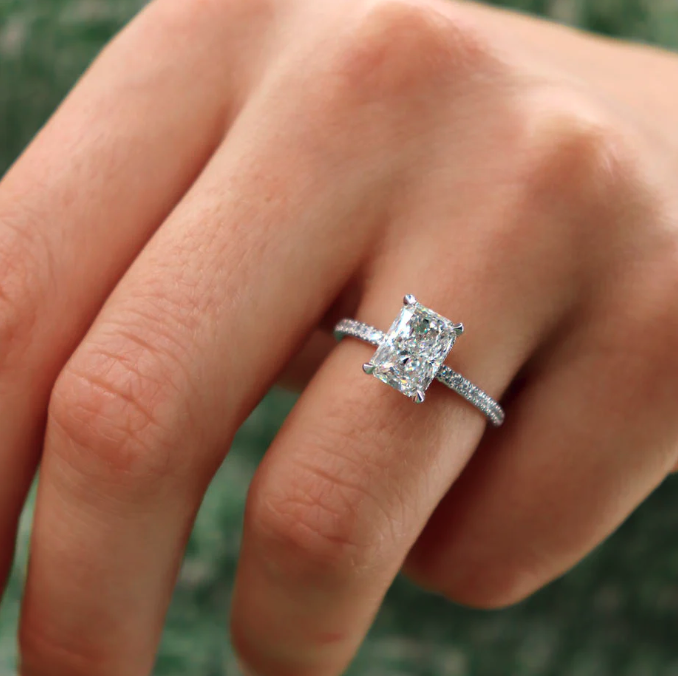
Another important aesthetic in 2026 is micro pavé, a setting style defined by extremely small, meticulously placed diamonds that create shimmering lines of light. Micro pavé work requires a high level of craftsmanship and has been celebrated by designers for decades. In recent years, however, British couples have embraced it for the way it enhances a ring’s presence without overwhelming the centre stone. According to The Guardian, this is particularly appealing to those who value subtle brilliance and a sense of modern romanticism. The pavé diamonds serve as an accent, elevating the overall design while respecting minimalism’s core values.
The cultural shift toward minimalism is closely linked to the values of Gen Z and millennials, the demographic now responsible for the majority of UK proposals. These couples are deeply conscious of meaning, symbolism and longevity. They view an engagement ring as a piece of personal architecture rather than a status symbol. BBC Culture notes that younger generations are rejecting traditional luxury tropes in favour of pieces that feel authentic and emotionally resonant. This aligns perfectly with minimalist design, where every detail serves a purpose.
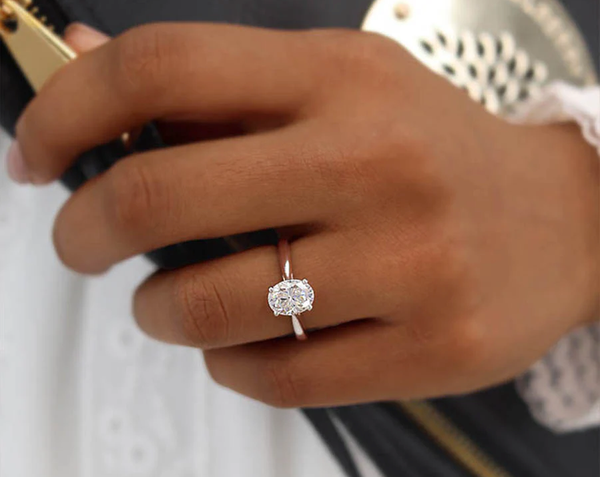
What is striking about 2026 is that even when couples choose larger diamonds, they increasingly prefer sleek settings such as knife edge solitaires, compass point claws or bezel frames. These styles frame a diamond in a way that feels sculptural rather than ornate. The rise of bezel settings in particular demonstrates a renewed interest in jewellery that blends beauty with practicality. The enclosed frame offers both security and a contemporary visual language, something widely discussed in The New York Times coverage of global jewellery trends.
Another factor influencing British preferences is the rise of sustainability in luxury goods. Minimalist designs inherently use less metal and fewer stones, making them align naturally with the values of environmentally conscious consumers. While this trend is not limited to jewellery, it has had a notable impact on engagement ring choices. According to reporting by Cosmopolitan UK, couples increasingly prioritise transparency, traceability and thoughtful design decisions that align with a more responsible lifestyle.
Micro pavé, although delicate in appearance, reflects the allure of precision craftsmanship. Each tiny diamond must be placed by hand, often under magnification, and secured by microscopic beads of metal. This creates a continuous sparkle that complements the understated nature of minimalist design. The technique has been celebrated by luxury houses and independent artisans alike. In 2026, micro pavé is often paired with slender bands that appear to float against the skin, creating a look that feels both modern and timeless.
Quiet luxury, meanwhile, has become a cultural force far beyond jewellery. The aesthetic has been shaped by fashion, interior design and the influence of public figures whose style focuses on refinement rather than logo driven display. As Vogue UK notes, the rise of quiet luxury is a rejection of maximalism in favour of understated confidence. Engagement rings that fall into this category often feature soft curves, balanced proportions and an emphasis on design harmony. They are pieces that remain relevant across decades, not merely seasons.
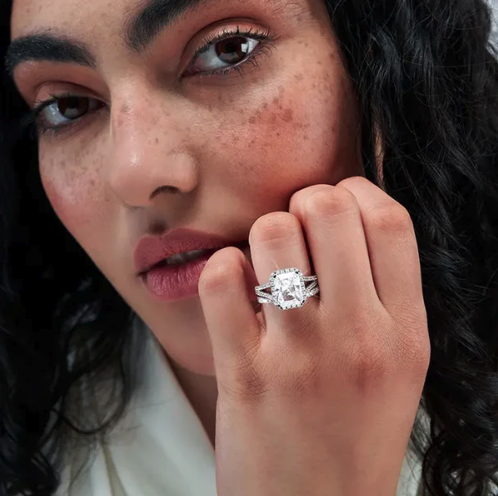
Colour is another area where minimalism has left its mark. While traditional white diamonds remain popular, subtle variations such as faint champagne tones or near colourless grades have gained favour for their natural warmth. These hues align with the organic, soft neutrals trending in fashion and interiors. Furthermore, the clean lines of minimalist settings often pair beautifully with elongated shapes like ovals, emerald cuts and elongated radiants. These shapes contribute to the feeling of quiet sophistication that defines 2026 British engagement jewellery.
The growing influence of social media has also played a role. Platforms such as Pinterest and Instagram prioritise visual storytelling, and minimalist rings photograph exceptionally well. According to editorial analysis from BBC Lifestyle, younger buyers look for designs that feel both aspirational and relatable. Minimalist rings achieve this balance by appearing luxurious yet effortless. The aesthetic translates seamlessly into both everyday wear and special occasions.
Another important element of the 2026 aesthetic is versatility. Couples increasingly want engagement rings that can be paired with various wedding and eternity bands. Minimalist rings with micro pavé accents create beautiful stacking combinations without overwhelming the hand. This trend has been explored in detail by The Guardian Fashion, which notes that wedding jewellery in 2026 leans strongly towards modular elegance. Stacking allows couples to build their story over time, adding bands for milestones such as anniversaries or the birth of a child.
Celebrity influence has played a subtle yet meaningful role in shaping minimalist trends. Rather than choosing large, ornate designs, many public figures have embraced clean, architectural rings that align with quiet luxury. Media coverage from The Financial Times highlights how understated jewellery has become a symbol of sophistication among influential women in fashion, film and politics. These choices often signal confidence and individuality rather than adherence to traditional expectations.
Ultimately, the engagement ring aesthetic of 2026 reflects a broader cultural move toward intentional design and personal significance. Minimalism, micro pavé and quiet luxury represent not only visual preferences but also deeper shifts in values. British couples want rings that feel personal, wearable and enduring. They prefer craftsmanship over spectacle and symbolism over size. The choices made in 2026 will likely influence engagement ring design for many years to come.