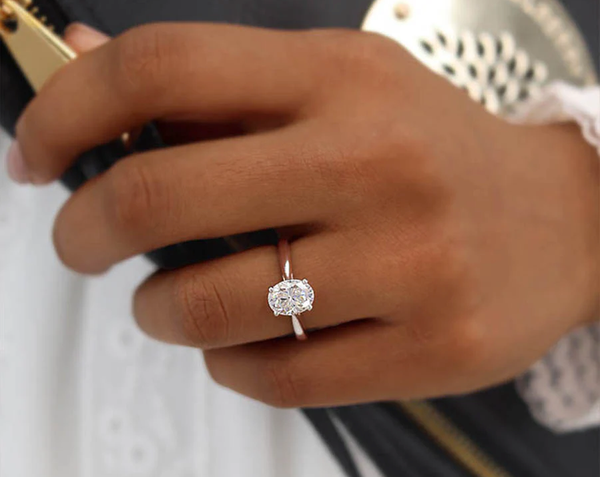
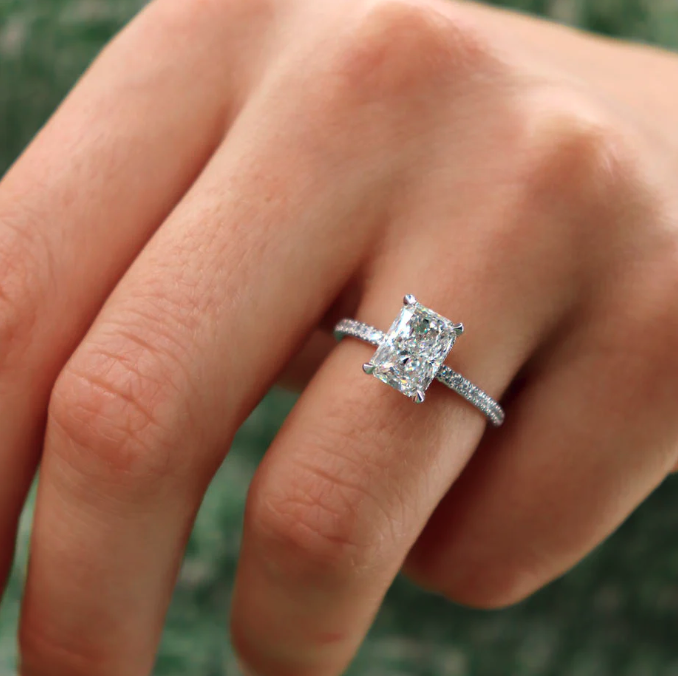
The Future Is Fair: How Sustainability Is Redefining UK Engagement Rings in 2026
Ethical jewellery is no longer a niche concern. By 2026, it has become central to how engagement rings are designed, sourced and sold across the UK. Couples are increasingly choosing pieces that reflect not only their love stories but also their values.
The BBC reports that searches for “ethical engagement rings” and “lab-grown diamonds UK” have surged, with buyers seeking transparency on sourcing, sustainability and carbon impact. Where once the sparkle of a diamond was judged by carat and clarity, its environmental footprint now matters just as much.
The Rise of the Conscious Consumer
Over the past five years, UK consumers have grown far more aware of global supply chains. The jewellery industry, long associated with mining and opaque practices, has responded with unprecedented openness.
According to The Guardian, ethical consumption has become one of the defining luxury trends of the decade. Couples want assurance that their rings are made responsibly—from the mines or labs to the finished metalwork.
This shift is generational. Millennials and Gen Z buyers, who make up the majority of UK engagement ring customers, are driving demand for sustainability. They see an engagement ring not just as jewellery but as a lifelong symbol of shared ethics.
Lab-Grown Diamonds: Science Meets Sustainability
Lab-grown diamonds have revolutionised the market by removing many of the environmental and social issues linked with traditional mining.
As the Gemological Institute of America (GIA) confirms, lab-grown diamonds are real diamonds, identical in physical and chemical structure to mined ones. The main difference lies in origin.
UK jewellers such as Lily Arkwright are leading the way with lab-grown collections powered by renewable energy. These stones are traceable, certified and often cost 60 per cent less than natural diamonds.
Lab-grown diamonds also reduce deforestation, water pollution and carbon emissions associated with mining. However, buyers should still look for information on energy sources, as not all labs use clean power.
Responsible Gold and Recycled Metals
Beyond gemstones, metal sourcing is equally important. The Fairtrade Foundation introduced the world’s first Fairtrade Gold standard, allowing UK jewellers to guarantee fair wages and safe conditions for miners.
Recycled gold has become another major trend. Instead of extracting new ore, jewellers refine existing gold from old jewellery, coins or electronics, creating a circular economy. This process significantly reduces carbon output and avoids the ecological damage of mining.
According to Vogue UK, recycled gold now appears in more than 40 per cent of British engagement ring designs commissioned in 2025 and beyond.
Traceability and Certification
Transparency is at the heart of ethical jewellery. Buyers in 2026 expect traceability reports, ethical guarantees and hallmarking from trusted organisations like the Responsible Jewellery Council (RJC).
Certificates from laboratories such as the GIA or IGI confirm a diamond’s authenticity and whether it was grown in a lab or mined. Meanwhile, Fairtrade and RJC hallmarks verify that gold was sourced responsibly.
For British couples, these assurances are essential in an age where sustainability equals trust.
Design and Longevity
Ethical jewellery is not just about how it is made but how long it lasts. Many UK jewellers encourage clients to design timeless pieces that can be worn and passed down for generations.
Durability and repairability have become markers of sustainability. Minimalist settings, recycled metals and modular designs allow future resizing or restyling without waste.
Some couples even reimagine heirloom stones into modern settings, combining family heritage with sustainable practice.
The Role of Technology
Digital innovation has helped transparency thrive. Blockchain systems now record a gemstone’s full journey from origin to retail, ensuring authenticity and accountability.
As The Guardian highlights, traceable supply chains will soon become industry standard, driven by customer expectations and regulation.
The result is a market where luxury and integrity coexist.
Conclusion
In 2026, ethical engagement rings are not a passing trend but the future of jewellery. UK buyers want rings that celebrate love responsibly—crafted from traceable, sustainable materials and made to endure.
Whether you choose a Fairtrade gold band or a lab-grown diamond, every ethical decision contributes to a fairer, cleaner jewellery industry.
As one London jeweller told the BBC, “An engagement ring should sparkle with beauty, not guilt.”