The Modern Heirloom: Why British Couples Are Designing Engagement Rings to Last Generations
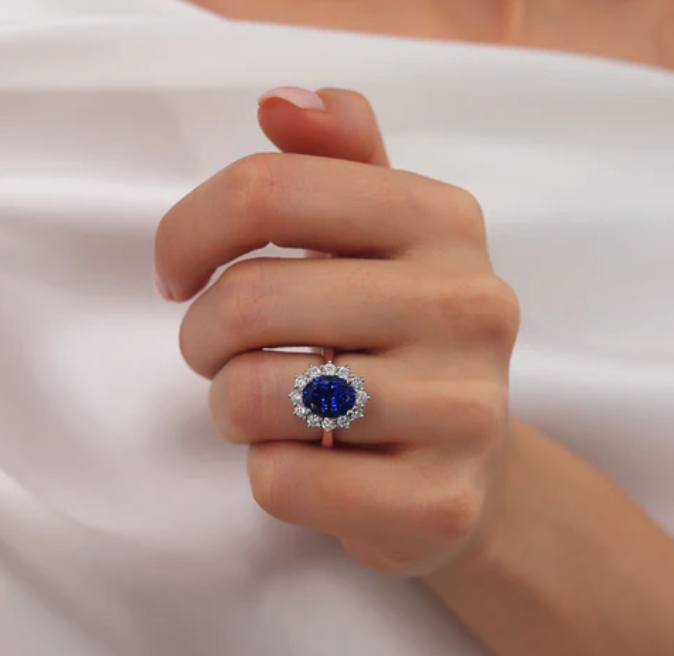
In a world where trends come and go in the blink of an eye, a new form of permanence is emerging in British jewellery design. Across the UK, couples are commissioning engagement rings with the intention that they’ll be treasured not just for a lifetime, but for generations to come.
This shift towards the modern heirloom marks a quiet but profound change in how people view luxury and love. Instead of chasing what’s fashionable, modern couples are investing in pieces that tell stories — of heritage, craftsmanship and enduring emotion.
As Vogue UK recently wrote, “today’s most meaningful jewellery isn’t about display — it’s about legacy.”
A Return to Meaning
The concept of the heirloom isn’t new, but its modern interpretation is. Where family jewels were once purely symbols of wealth, they now embody connection and conscience.
The Guardian Lifestyle reported that many British couples today are “redefining inheritance through intention” — creating rings designed to hold sentimental as well as material value.
An heirloom ring is no longer something passed down by chance. Increasingly, it’s something designed with the future in mind: responsibly sourced, beautifully made, and timeless in style.
As Harper’s Bazaar UK described, “the modern heirloom is built to be loved today and cherished tomorrow.”
The Craft of Permanence
Designing a modern heirloom begins with craftsmanship. Couples are choosing jewellers who prioritise handwork, local production and quality over speed.
In London’s Hatton Garden and Birmingham’s Jewellery Quarter, artisans are once again in high demand for bespoke commissions. Each detail — from metal choice to gemstone cut — is planned not for fleeting impact, but for enduring strength and beauty.
The Telegraph Luxury noted that “a well-made ring has a heartbeat of its own. It can outlast trends, outshine time, and still feel contemporary 100 years from now.”
This return to craftsmanship represents more than nostalgia; it’s a cultural desire for authenticity in a digital age.
Sustainability and the Future of Heirlooms
Sustainability is playing a defining role in this movement. Many couples see heirloom design as a way to consume less, but better — choosing one significant piece rather than several trend-driven purchases.
Ethical sourcing, recycled metals and lab-grown gemstones are now integral to the creation of modern heirlooms. According to Forbes, global demand for lab-grown diamonds and traceable materials has risen by more than 20 per cent over the past two years, driven largely by millennial and Gen Z buyers.
These buyers see sustainability not as a design constraint, but as part of a ring’s emotional story. A piece made responsibly today becomes a source of pride tomorrow — a tangible example of care passed down through generations.
As Country Living UK succinctly put it, “ethical jewellery is the new family treasure.”
The Emotional Legacy
For many couples, the appeal of an heirloom ring lies in its emotional depth. Unlike trend-led designs, an heirloom carries intention. It’s a physical representation of shared history — something to hand down not because of its price, but because of its meaning.
Tatler recently profiled a generation of British couples “looking to the future by honouring the past.” Many are incorporating elements of vintage jewellery — from inherited stones to traditional settings — into new designs.
The result is a beautiful blending of eras: craftsmanship rooted in heritage, with design that speaks to the present.
As The Guardian Fashion observed, “the most modern thing about the modern heirloom is that it never goes out of style.”
Reimagining Inheritance
Heirlooms used to be bound by family lineage, but today’s couples are expanding the idea. Some are creating rings meant to be shared across generations of friendship or chosen family, while others are reworking existing heirlooms into new designs that reflect contemporary life.
Jewellers such as those featured in The Telegraph Jewellery are seeing rising requests to melt down vintage gold or repurpose inherited diamonds into new settings. This approach preserves the sentimental essence while giving it a fresh chapter — a literal transformation of memory into modernity.
It also speaks to Britain’s growing circular design culture: sustainability as continuity.
The Role of Bespoke Design
The bespoke process is central to creating heirloom-worthy pieces. Couples work directly with designers to shape every detail — from sketches to final polish — ensuring the ring reflects their values, stories and future intentions.
BBC News Business reported that bespoke jewellery now accounts for nearly one-third of the UK’s fine jewellery market. Buyers are prioritising creative collaboration over brand labels, investing in craftsmanship they can connect with.
This emphasis on collaboration has revived centuries-old goldsmith traditions while embracing digital tools such as 3D design and virtual rendering. It’s a meeting of heritage and innovation — where artistry meets technology.
Materials That Endure
The modern heirloom prioritises durability as much as design. Platinum and 18k gold remain timeless choices for longevity, while sapphires, emeralds and lab-grown diamonds are prized for their resilience as well as beauty.
Lab-grown gemstones from innovators like Chatham Gemstones are becoming increasingly popular for their ethical credentials and exceptional quality. These stones, created through meticulous scientific processes, are chemically identical to mined gems but produced with far less environmental impact.
Smithsonian Magazine praised this shift as “a rare case where science enhances sentiment.” The heirloom of the future may well be a symbol of innovation as much as love.
The Cultural Shift
Culturally, the modern heirloom trend reflects a broader British reappraisal of value and permanence. In a world of fast fashion and digital transience, tangible craftsmanship has become profoundly meaningful.
As Vogue UK observed, “in the race to preserve the future, we’re learning to treasure the past — and the things built to last.”
Heirloom jewellery bridges those two instincts. It celebrates continuity — the idea that love, craft and conscience can coexist across time.
The Future of Forever
Looking ahead, the heirloom concept is likely to define the next decade of British fine jewellery. Couples are already commissioning rings designed with engravings, hidden gemstones and family symbols intended to carry through generations.
As The Guardian Lifestyle reported, “the engagement ring is evolving from an accessory into a legacy.”
It’s not simply about what sparkles today, but what will still matter tomorrow.
This philosophy — the fusion of memory, meaning and responsibility — is reshaping Britain’s entire jewellery landscape.
Conclusion
The modern heirloom represents a new era in British jewellery — one that blends ethics, artistry and emotion. It’s about creating something permanent in a world that changes daily, something to hold onto when everything else moves too fast.
From recycled gold and lab-grown diamonds to designs that blend heritage and innovation, these rings capture the essence of lasting love.
As Vogue UK wrote, “the greatest luxury of our age is time — and the things we build to withstand it.”
The modern heirloom is not just jewellery. It’s memory made tangible — a story set in stone, designed to shine long after its first chapter ends.