The Psychology of Sparkle: Why Diamonds Still Symbolise Love in the Digital Age
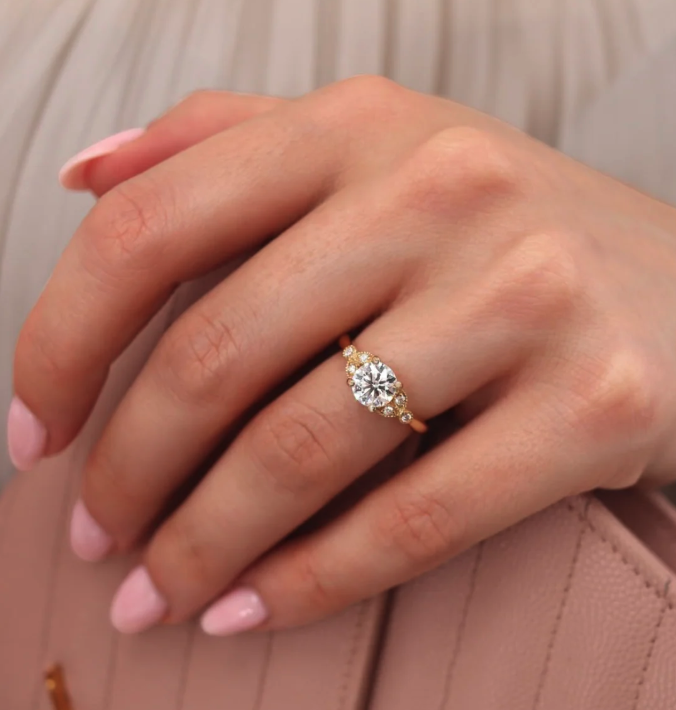
The Diamond Paradox
In a world that prizes innovation and impermanence, the enduring power of the diamond seems almost contradictory. It belongs to an ancient tradition yet feels perpetually modern. It is both a luxury object and a psychological symbol — a material that conveys meaning beyond possession.
Despite fluctuating economic landscapes and changing consumer values, diamonds remain among the most desired and emotionally charged purchases. Their appeal persists not because of scarcity alone, but because of what psychologists describe as “emotional permanence” — the ability of an object to embody deep and lasting sentiment.
As Financial Times Life & Arts observed, the modern diamond “thrives not on novelty but on emotional consistency.”
Why Sparkle Still Captivates the Human Mind
The attraction to sparkle is as much psychological as it is aesthetic. According to research discussed by Psychology Today, reflective and refractive light activates pleasure centres in the brain, evoking emotions associated with happiness, excitement and even affection. Humans are innately drawn to brilliance because it recalls the play of light in nature — from water to fire — both vital sources of survival and comfort.
The diamond, capable of capturing and refracting light in infinite ways, therefore appeals to something primal. Its shimmer feels alive, constantly changing, never static. In psychological terms, this dynamism mirrors emotion itself — fleeting, powerful and memorable.
As BBC Culture noted, “light has always been our metaphor for life.” In the context of love, the diamond becomes light made tangible.
From Status to Symbolism
Historically, diamonds represented status, wealth and power. Their scarcity and durability made them markers of privilege. Yet over time, their meaning evolved beyond social hierarchy.
The 20th century brought a profound shift in symbolism. As engagement traditions spread, the diamond became linked to emotional rather than economic capital. It began to represent fidelity, stability and enduring affection.
As Vogue UK explained, “diamonds are no longer just about permanence of possession but permanence of emotion.” Their cultural value now lies in their ability to signify connection rather than control.
This psychological redefinition aligns perfectly with modern British sensibilities, where luxury is increasingly understood through authenticity and shared experience rather than exclusivity.
The Emotional Currency of Modern Luxury
The diamond’s appeal endures because it embodies the rare intersection between material and emotional value. It functions both as a commodity and as a vessel of meaning.
For consumers, especially in the UK, the purchase of fine jewellery represents not only taste but trust. It is a deeply personal investment. As The Guardian observed, “modern luxury is no longer about accumulation but emotional clarity.”
This trend reflects a broader movement in consumer psychology. People are seeking experiences that feel genuine and purposeful. The diamond, when chosen with intention, satisfies both these needs: it is physical proof of an emotional truth.
In this context, lab-grown diamonds have added a new layer to the psychology of sparkle. By combining ethical production with traditional beauty, they meet contemporary demands for transparency without diminishing symbolism.
The Rise of Conscious Elegance
The modern luxury market in Britain has entered a period of self-awareness. Ethical and sustainable practices have become integral to the value equation.
Lab-grown diamonds — identical to mined diamonds in appearance and composition — have become key players in this shift. They appeal to buyers who want the emotional significance of a diamond but also the assurance of responsible sourcing.
British jewellers such as Lily Arkwright have successfully positioned lab-grown diamonds as the embodiment of modern elegance: sustainable, traceable and deeply symbolic. Each stone carries the same optical perfection as a mined diamond but reflects a contemporary conscience.
As Forbes Innovation recently noted, “ethical transparency is redefining prestige.” The modern consumer values emotional and environmental integrity as much as beauty itself.
Diamonds in a Digital Economy
The digital revolution has redefined nearly every industry, yet diamonds remain curiously resistant to obsolescence. In fact, their symbolism has deepened in response to digital saturation.
In a culture where affection is often expressed through messages or social media, the permanence of a physical token has become even more meaningful. The diamond provides a tangible counterbalance to transient digital gestures.
As BBC Business reported, the post-pandemic jewellery market saw renewed demand for sentimental purchases, as people sought to reconnect with emotional grounding. The diamond, whether gifted or self-bought, served that purpose — a reminder that not everything of value can be stored on a screen.
This shift highlights a fascinating psychological paradox: as the world becomes more virtual, the desire for material symbols of love and continuity grows stronger.
The Economics of Emotion
The value of diamonds has always extended beyond carats and clarity. In modern markets, their worth increasingly depends on narrative — provenance, craftsmanship and emotional authenticity.
Luxury analysts refer to this as the “story premium.” Items with transparent origins and meaningful symbolism command higher perceived value. This is particularly relevant in Britain, where consumers place high trust in heritage and design credibility.
Blockchain certification and lab-grown production have strengthened this trend by aligning emotion with evidence. Buyers can now verify both authenticity and ethics, merging rational and sentimental value in a single purchase.
As Financial Times concluded, “in the modern luxury economy, trust is the new exclusivity.”
The Timelessness of Sparkle
Ultimately, the diamond’s psychological power lies in its simplicity. It captures light and holds it, unchanging, even as the world transforms. In doing so, it becomes a metaphor for the endurance of emotion.
No technology can replicate the tactile weight of a ring placed on a hand or the way a diamond catches sunlight on an ordinary afternoon. These moments create emotional permanence — memories that exist beyond fashion or economy.
As Vogue UK reflected, “diamonds remain the purest form of emotional communication, not because they are flawless, but because they endure.”
Conclusion
The psychology of sparkle is, at its heart, the psychology of connection. It explains why, even in an age of innovation, the diamond continues to represent love, strength and human continuity. Its beauty transcends trends because it mirrors our deepest values — clarity, resilience and truth.
In modern Britain, this symbolism has evolved, not diminished. The rise of ethical jewellery, digital traceability and self-expression has only made the diamond more relevant. Whether natural or lab-grown, it remains the perfect synthesis of emotion and intellect, tradition and progress.
As Financial Times Life & Arts eloquently summarised, “the modern diamond is no longer just a gemstone; it is a philosophy of value.”
And perhaps that is why its light, both literal and metaphorical, continues to outshine time itself.