The Rise of Alexandrite: The Gemstone Changing Colour and Captivating Britain in 2026
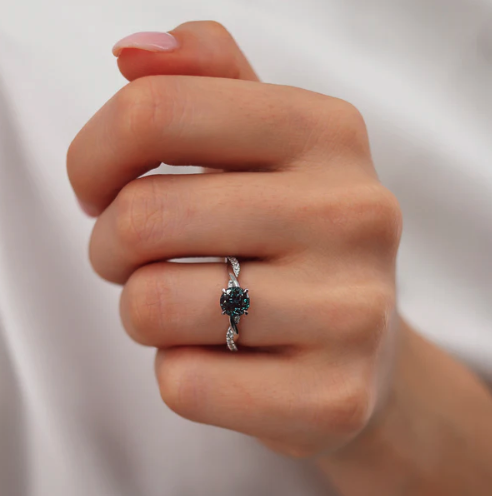
There are few gemstones in the world as mesmerising or as storied as alexandrite. Long admired as one of the rarest natural gems on earth, its unmistakable colour change has fascinated jewellers, gem collectors and romantics since the nineteenth century. In 2026, alexandrite is experiencing a remarkable revival across the UK. With a new generation of buyers seeking symbolism, science and individuality in their jewellery, this gemstone is re-emerging as a modern favourite.
As Vogue UK recently noted, British consumers are gravitating towards gemstones that offer narrative and personality. Alexandrite, with its extraordinary ability to transform from green in daylight to purplish red under warm interior lighting, embodies that desire for mystery and individuality. It is a gemstone that changes with its wearer and with the world around it, giving it a sense of life that few other stones possess.
A Colour That Refuses to Stay Still
Part of alexandrite’s magic lies in its shifting identity. During the day it glows with a cool, forest green reminiscent of emerald. Under evening light it becomes something entirely different, taking on a deep wine shade that feels romantic and dramatic. This phenomenon, known scientifically as pleochroism, is one of the reasons the Smithsonian National Museum of Natural History describes alexandrite as “a gem of extraordinary optical personality.”
This ability to reflect different moods and environments appeals strongly to modern British buyers. As The Guardian Lifestyle pointed out in a recent feature on self-expression in jewellery, consumers are increasingly searching for pieces that evolve with them rather than stay static. Alexandrite captures exactly that spirit.
The Imperial Origins of a Modern Icon
The story of natural alexandrite begins in Russia’s Ural Mountains during the early nineteenth century. According to the BBC History archives, the gemstone was first identified by miners who were captivated by its unusual colour change. Its discovery coincided with the coming of age of the future Tsar Alexander II, which led to the stone being named in his honour.
Throughout the Victorian era, alexandrite became associated with rarity, intellect and transformation. It appeared in high jewellery pieces crafted by Imperial Russian workshops and, later, in exclusive European collections. However, its scarcity limited availability, and the few natural stones that exist today command exceptionally high prices.
Modern buyers continue to be captivated by this historical narrative. As The Guardian noted in a 2026 feature on gemstone storytelling, provenance and mythology have become powerful forces in modern jewellery choices. Alexandrite’s blend of science, history and beauty makes it one of the most compelling gemstones for contemporary romantics.
A Revival Driven by Science: The Rise of Lab Grown Alexandrite
Natural alexandrite remains one of the most difficult gemstones to source in fine quality. As a result, a new chapter in its history has emerged through laboratory-grown alexandrite created by Chatham, a world leader in sustainable cultured gemstones. Their lab grown alexandrite offers the same colour change phenomenon and chemical structure as natural stones, but with greater consistency and significantly improved environmental impact.
Laboratory-grown alexandrite is created under controlled conditions that replicate the geological environment in which natural stones form. This allows for clearer material, more vivid colour change and ethically responsible sourcing. As BBC Science reports, lab-grown gemstones are becoming a preferred choice for younger buyers due to their transparency and sustainability.
Chatham’s stones in particular have become highly sought after in the UK. Their clarity, rich colour and environmental credentials align perfectly with the sensibilities of modern British jewellery customers. As consumers grow more conscious of ecological impact, lab-grown alexandrite has become a meaningful alternative to mined stones without sacrificing beauty or authenticity.
Why Alexandrite Speaks to Modern British Couples
In an era defined by individuality, alexandrite has become one of the most romantic gemstone choices for engagement rings and heirloom jewellery. British couples in 2026 are increasingly seeking alternatives to the classic white diamond, influenced by cultural shifts, celebrity styling and a desire for personal storytelling.
According to BBC News Lifestyle, coloured gemstone searches in the UK have surged dramatically over the past year, with alexandrite among the leaders. Its symbolism of renewal, balance and transformation resonates strongly with a generation that values emotional depth.
Its unique colour behaviour also aligns with modern aesthetic sensibilities. Under cool natural light, it feels fresh, calm and modern. Under warm indoor light, it becomes dramatic and intimate. This flexibility makes it a versatile daily stone that transitions seamlessly between environments, fashion styles and moods.
The Gem of Change in a Changing World
Part of alexandrite’s timeless appeal is its ability to mirror the evolution of the person who wears it. In a world where identity, relationships and self-expression continue to evolve, alexandrite reflects that sense of ongoing transformation.
Jewellers across the UK have noted increased interest in bespoke pieces incorporating lab grown alexandrite. Buyers often choose it not only for its rarity or beauty, but because it symbolises personal growth, resilience and emotional complexity.
Its scientific rarity adds another layer of fascination. Even in the laboratory, growing alexandrite is challenging due to its specific chemical requirements. According to research cited by Wired UK, modern gemstone science has made extraordinary advances, yet alexandrite remains one of the most technically demanding stones to cultivate. This complexity amplifies its appeal for consumers who appreciate craftsmanship and innovation.
A New Era for a Legendary Stone
As British jewellery trends continue to move towards colour, sustainability and individuality, alexandrite stands out as a gemstone that perfectly captures the mood of 2026. Its imperial history connects it to tradition, its colour change speaks to modern creativity and its lab grown revival demonstrates how science and romance can coexist beautifully.
Whether chosen for an engagement ring, an anniversary piece or a personal treasure, alexandrite offers something rare in contemporary jewellery: a sense of magic. It is more than a stone. It is a story that changes every time the light shifts, echoing the complexity and beauty of the lives it becomes part of.