The Rise of the Sapphire | Britain’s Blue Gemstone Revival in 2026
The Return of Blue
Every gemstone has its moment, but few have endured with the quiet power of the sapphire. In 2026, the deep, rich blue of this regal stone is once again defining the future of British fine jewellery.
As Vogue UK observed, “sapphires are enjoying a renaissance.” Their timeless hue, associated with loyalty, depth and serenity, speaks perfectly to the spirit of the modern age — an era seeking meaning, mindfulness and understated beauty.
From engagement rings to heirloom pendants, the sapphire is reclaiming its place at the heart of British luxury.
A Royal Beginning
To understand the modern fascination with sapphires, one must look to their most famous setting: Princess Diana’s engagement ring. When the then-Lady Diana Spencer chose her 12-carat Ceylon sapphire surrounded by diamonds in 1981, it captured the world’s imagination.
Unlike other royal jewels, Diana’s ring was not a bespoke creation but a catalogue piece from Garrard, the Crown Jeweller. Its beauty lay in its simplicity and accessibility — a symbol of romance that felt both royal and relatabl
Now worn by Catherine, Princess of Wales, the ring continues to influence engagement ring trends more than four decades later. As BBC Culture noted, it remains “one of the most recognisable pieces of jewellery in history,” and its appeal has only deepened with time.
The sapphire’s connection to the British royal family gave it an identity unlike any other gemstone: regal yet deeply human, steeped in both history and emotion.
The Meaning Behind the Blue
The colour blue has always held a unique emotional resonance. It conveys calm, trust and depth — qualities that resonate strongly in an age of uncertainty. In colour psychology, blue is associated with sincerity and clarity, while in gemmology, sapphires symbolise wisdom, truth and fidelity.
As The Guardian explained, blue gemstones have become “the modern shorthand for emotional honesty.”
Sapphires possess an optical depth that invites contemplation. Their hues shift subtly between daylight and candlelight, creating a living play of colour that feels both mysterious and soothing.
It is this sense of depth — visual and emotional — that gives sapphires their enduring allure. They reflect the qualities we value most in modern relationships: constancy, transparency and quiet strength.
From Monarchy to Modernity
While sapphires have long been associated with royalty, their appeal has evolved far beyond palaces and crown jewels. In recent years, designers have reimagined the stone through contemporary cuts and minimalist settings, transforming a classic gem into a statement of modern British design.
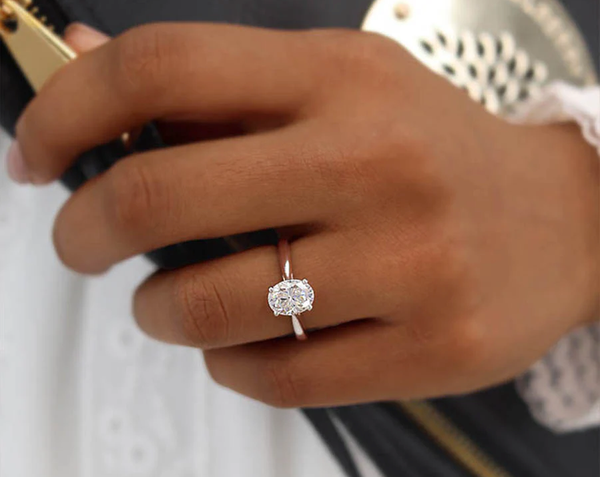
As Harper’s Bazaar UK observed, “the sapphire’s sophistication now lies in its subtlety.” Slim, oval-cut stones in gold or platinum settings have replaced ornate Victorian styles, reflecting a shift towards quiet luxury and personal symbolism.
Modern couples increasingly choose sapphires for engagement rings not only because of their royal connection but because they represent individuality. A sapphire ring stands apart from the expected, reflecting confidence and depth of character.
A New Era of Ethical Beauty
In 2026, sapphires are not just beautiful — they are becoming beacons of sustainable luxury. Ethical sourcing and lab-grown technology have transformed the gemstone market, allowing buyers to enjoy the splendour of sapphire without the environmental or humanitarian concerns associated with traditional mining.
British jewellers such as Lily Arkwright are leading this change, offering exquisite lab-grown sapphires that combine scientific innovation with artistic craftsmanship. Each piece captures the beauty of the natural gemstone while reflecting the values of modern luxury: transparency, sustainability and authenticity.
As Forbes Innovation noted, “ethical gemstones have become the new measure of prestige.” The sapphire’s history of integrity makes it the perfect symbol for this shift — a stone that has always represented honesty and faithfulness, now redefined through modern ethics.
The Psychology of Blue
Our emotional connection to blue is deep-rooted. Studies in colour psychology show that blue is perceived as trustworthy, calm and intelligent — qualities often used in branding and design to inspire confidence.
When translated into jewellery, these associations become even more personal. A sapphire on the skin catches light in a way that feels alive yet serene. It draws attention quietly, commanding respect rather than demanding it.
As BBC Lifestyle recently wrote, “the popularity of blue reflects a cultural desire for clarity.” In an age of constant information and digital noise, blue offers stillness — a visual retreat.
This subtle emotional intelligence explains why sapphires resonate so strongly with the values of 2026. They are not ostentatious, but thoughtful. Their allure lies not in brightness, but in depth.
Britain’s Jewellery Renaissance
The resurgence of sapphires coincides with a wider revival in British jewellery design. From London’s Hatton Garden to studios in Edinburgh and Manchester, designers are returning to craftsmanship and narrative-driven luxury.
As Financial Times Life & Arts reflected, “the British jewellery scene is shifting from display to dialogue.” Clients no longer want mere decoration; they want meaning.
This ethos aligns perfectly with the sapphire. Its historical roots, psychological depth and sustainable potential make it the ultimate gemstone for contemporary Britain — refined, responsible and quietly powerful.
Sapphires in Modern Fashion
Beyond engagement rings, sapphires have become staples in high fashion and red-carpet styling. Their colour complements both neutral and bold palettes, making them ideal for editorial shoots and evening wear alike.
Designers such as Boodles and Garrard continue to reimagine sapphire jewellery through sculptural, modern silhouettes that honour British heritage while embracing global trends.
As Vogue UK reported, “blue jewels are the defining accessory of the new era of restraint.” Their elegance lies in their ability to project confidence without excess — a visual expression of the quiet luxury movement.
The Enduring Appeal of Diana’s Legacy
Few jewels have had the cultural impact of Princess Diana’s sapphire engagement ring. When Prince William proposed to Catherine Middleton with the same ring in 2010, it marked not just a personal connection but a symbolic continuation of royal history.
For many Britons, the ring represents more than romance; it signifies continuity, empathy and strength. As BBC Culture reflected, “Diana’s ring became the jewel of the people — an emblem of grace and resilience.”
Its enduring presence has fuelled decades of fascination with sapphires, ensuring the gemstone remains central to Britain’s jewellery identity.
The Future of the Blue Gemstone
Looking ahead, the sapphire’s rise shows no sign of slowing. Its versatility, ethical adaptability and emotional symbolism make it uniquely suited to the values shaping modern luxury.
In Britain, where tradition and innovation intersect seamlessly, the sapphire embodies the balance between heritage and progress. It is a gemstone that honours history while reflecting the spirit of a more conscious future.
As Financial Times Life & Arts concluded, “blue is the colour of confidence in uncertain times.”
And in that confident hue, the sapphire continues to shine — serene, strong and forever British.