The Ultimate Guide to the 4Cs of Diamonds
The 4Cs are the foundation of diamond grading worldwide, setting the standard for assessing quality and price. Developed by the Gemological Institute of America (GIA), the system ensures transparency for buyers and consistency across jewellers.
Whether you are shopping for a diamond engagement ring or simply curious about gem grading, understanding the 4Cs will empower you to recognise true value.
Cut: The Key to Brilliance
A diamond’s cut determines its fire, sparkle and overall appearance. A well-cut stone captures light and returns it to the eye in dazzling flashes.
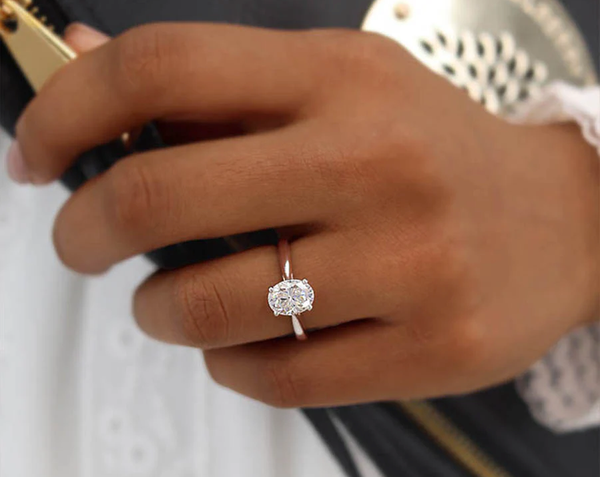
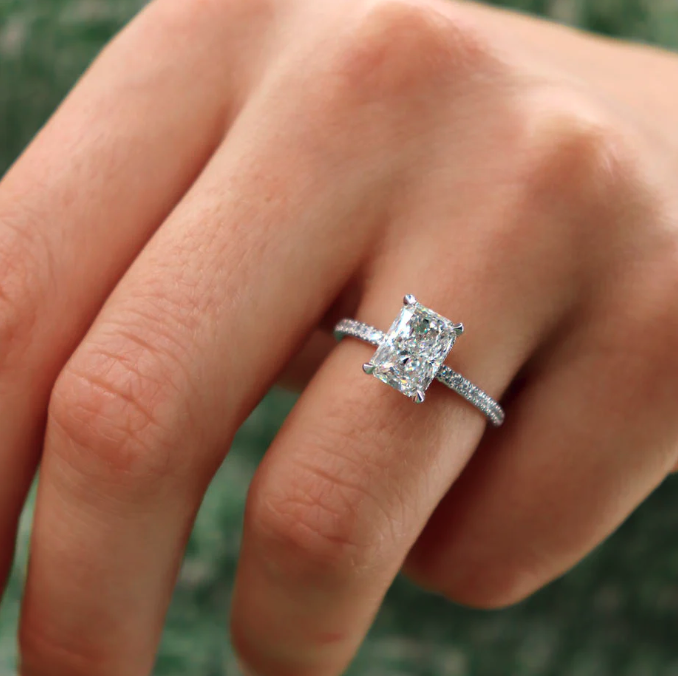
The GIA grades cut on five levels from Excellent to Poor, evaluating proportions, symmetry and polish. Round brilliants are the benchmark for perfection, though other shapes — oval, radiant and emerald — have their own distinct charm.
The Guardian’s jewellery editor notes that skilled cutting can make a smaller diamond appear larger and livelier than a heavier but poorly proportioned one.
Colour: The Spectrum of Purity
Diamonds are valued for their absence of colour. The GIA scale runs from D (colourless) to Z (light tint). Most high-quality jewellery uses stones between D and J, which appear bright and icy white once set.
The BBC has covered the rise of consumers seeking near-colourless diamonds as a practical alternative to the rare D-grade gems. Subtle differences in tone are often imperceptible once mounted, allowing for better balance between price and appearance.
Clarity: Nature’s Signature
Every diamond is unique. Clarity assesses the internal inclusions and external blemishes left by nature. These marks are known as the stone’s fingerprint.
The GIA grades clarity from Flawless (FL) through to Included (I3). For most buyers, diamonds in the VS1–SI1 range offer the best value, combining near-perfect appearance with accessibility.
The Guardian suggests focusing on how a diamond looks to the naked eye, as flawless grades are exceptionally rare and often command premium prices without visible difference.
Carat: Balancing Size and Value
Carat weight influences a diamond’s scale and price but should never overshadow cut quality. Two diamonds of equal weight can differ dramatically in brilliance depending on proportions.
The BBC recently noted that modern buyers are choosing slightly smaller, better-cut stones for ethical and aesthetic reasons. A diamond with excellent light performance looks radiant regardless of its carat weight.
Bringing It All Together
The 4Cs complement one another. The ideal diamond is not necessarily the biggest or clearest but the one that strikes harmony across all four factors.
Use the GIA’s official grading report to confirm authenticity and avoid overpaying. Trusted certification remains the most reliable assurance of quality.
Conclusion
Understanding the 4Cs gives you confidence and control. By evaluating cut, colour, clarity and carat together, you can choose a diamond that reflects both your style and your values.
As The Guardian and BBC News report, informed buyers are redefining luxury by valuing craftsmanship and ethics over mere size. The sparkle that matters most is the one that feels meaningful.