UK Engagement Ring FAQ Guide: Expert Answers for 2026
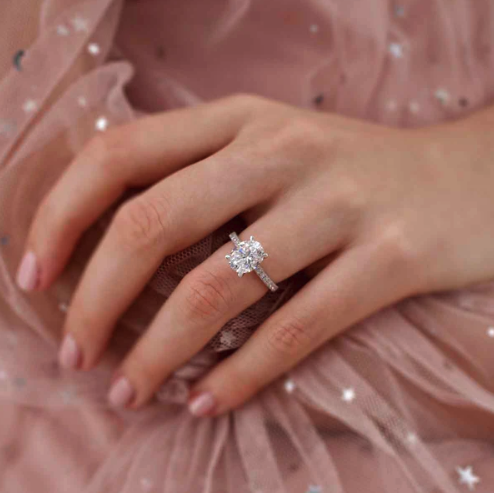
Choosing an engagement ring is one of the most meaningful decisions a British couple will ever make, yet it is also one of the most confusing. With shifting trends, ethical choices, new gemstone technologies and rising cultural influence from platforms such as Vogue UK, BBC News and The Guardian Lifestyle, engagement ring shopping in 2026 looks very different from what it did even five years ago.
Whether couples are debating diamond size, choosing between natural and lab grown stones, or wondering how much they are “supposed” to spend, the same questions appear again and again across the UK. This guide brings together the most commonly searched and most frequently asked questions about engagement rings, shaped by cultural trends, expert commentary and consumer behaviour reports from respected sources such as Financial Times and Cosmopolitan UK The result is a clear, story led and culturally grounded explanation of everything British couples want to know before buying a ring.
1. How Much Should You Spend on an Engagement Ring?
One of the oldest myths in engagement ring culture is the so called salary rule. For decades, the jewellery industry encouraged the idea that buyers should spend one, two or even three months of their salary on a ring. Modern British couples are rejecting this entirely.
According to BBC News Business, younger shoppers are prioritising value, ethics and long term meaning over arbitrary spending rules. In 2026, engagement ring budgeting is shaped by personal affordability rather than outdated expectations. Many couples now co design the ring together, removing the pressure to spend excessively.
The real answer to this question is simple. Spend an amount that feels comfortable, sustainable and proportionate to your lifestyle. No rule overrides financial wellbeing.
2. Is a Lab Grown Diamond Considered “Real”?
This is one of the most searched questions in the UK. The short answer is yes. Lab grown diamonds are genuine diamonds with the same chemical composition, crystal structure, brilliance and hardness as natural diamonds.
The New York Times reports that lab grown diamonds have become mainstream luxury, transforming the global jewellery market. They are physically identical to mined diamonds and tested using the same grading criteria.
The difference lies only in origin. Natural diamonds form underground over millions of years, whereas lab grown diamonds form in controlled facilities using advanced technology. Both are real. Both are durable. The choice between them is shaped by personal values, not authenticity.
3. What Diamond Size Do Most UK Buyers Choose?
British couples are increasingly sophisticated in how they choose diamond size. According to insights from Vogue UK, many are shifting away from simply seeking the largest stone possible and instead prioritising cut quality, proportion and overall design.
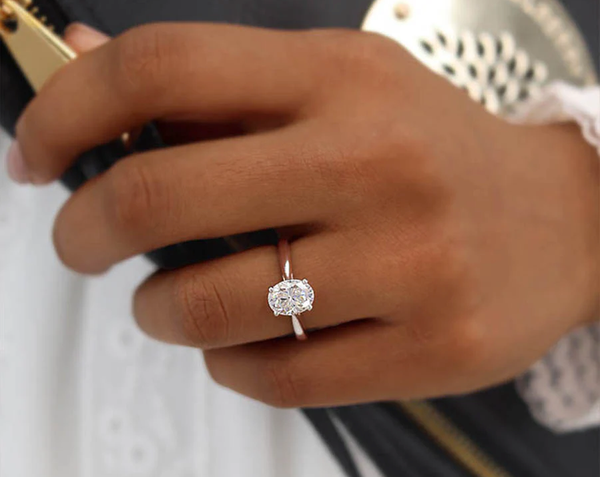
Popular sizes vary depending on finger size, setting style and budget. The majority of UK buyers choose between 0.70 and 1.50 carats, although oval and elongated cuts often appear larger than round stones of the same weight.
The trend in 2026 is towards balance. Couples want a diamond that feels elegant, proportional and timeless rather than oversized.
4. Which Diamond Shapes Are Most Popular in the UK?
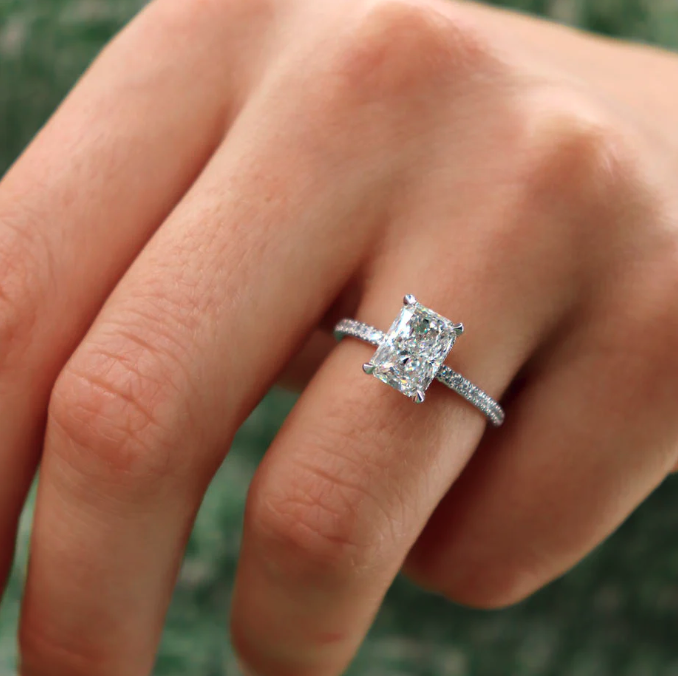
Engagement ring preferences evolve with cultural moments, celebrity influence and stylistic trends. In 2026, the most popular diamond shapes in the UK include:
- Oval, celebrated for its flattering elongation and modern sophistication
- Round brilliant, still the classic choice with the highest brilliance
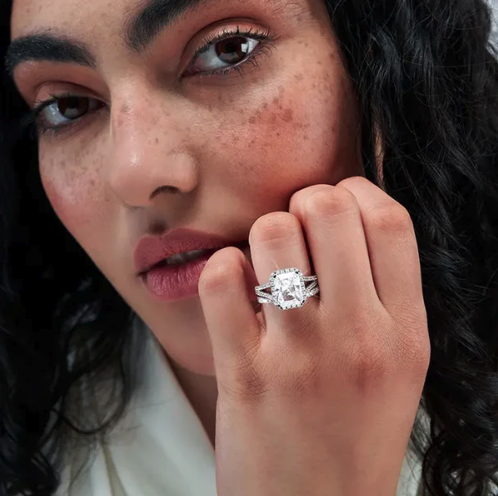
- Emerald cut, associated with quiet luxury and the influence of minimalist fashion
- Pear, appreciated for its individuality and vintage charm
Cosmopolitan UK highlights the rise of unusual cuts as well, with many couples choosing shapes that feel expressive rather than traditional.
5. Should You Choose Natural or Lab Grown?
This is increasingly a philosophical question rather than a technical one. Both options offer beauty, durability and symbolism.
Buyers choose natural diamonds for tradition and rarity. They choose lab grown diamonds for ethical clarity and value. As The Guardian notes, environmental considerations now play a significant role in engagement ring decisions.
There is no universal answer. The right stone is the one that aligns with a couple’s values.
6. What Metal Colour Is Most Popular in 2026?
After years of dominance from white metals, yellow gold has returned as a strong contender. This resurgence reflects a broader aesthetic shift documented by Vogue UK, which notes that warm tone jewellery aligns with current fashion trends.
Platinum remains popular for its durability and cool modern finish, while rose gold continues to attract couples seeking romantic softness.
Choosing metal colour is not about popularity but compatibility with skin tone, personal style and long term wear.
7. How Important Is Certification?
Extremely important. Diamond certification ensures that the gemstone’s characteristics have been independently verified. Organisations such as the Gemological Institute of America (GIA) are widely regarded as the gold standard.
Certification protects buyers by providing a reliable assessment of cut, colour, clarity and carat weight. It also preserves value over time.
In short, a certified stone offers transparency and reassurance.
8. Should Couples Shop Together?
A growing number of UK couples now co shop for engagement rings. A survey highlighted by BBC Lifestyle shows that younger generations appreciate shared decision making, emotional transparency and practical planning.
Shopping together ensures the ring suits both partners’ tastes and eliminates uncertainty about size and style. It also strengthens the moment by turning it into a shared experience rather than a surprise.
9. Do Engagement Rings Need to Match Wedding Bands?
There is no strict rule, but many British couples prefer harmony between engagement and wedding rings. Some choose matched sets with complementary geometry. Others intentionally contrast styles to create a personal statement.
The Telegraph Lifestyle reports a growing appetite for mixed metal stacking, suggesting tradition is becoming more flexible.
Ultimately, the goal is visual balance rather than perfect uniformity.
10. How Early Should You Start Ring Shopping?
The ideal timeline is around two to three months before the proposal. This allows time for research, appointments, resizing, custom work and engraving if desired.
Bespoke designs, especially those involving intricate settings or gemstone sourcing, may require additional time. Couples choosing lab grown diamonds or alternative gemstones should also plan in advance, as availability can vary.
Conclusion: The Modern Engagement Ring Journey Is Personal, Informed and Evolving
In 2026, British couples are rewriting the engagement ring experience. They want clarity rather than pressure, individuality rather than conformity and modern ethics rather than outdated rules. The questions above reflect a generation that values knowledge, transparency and shared decision making.
Today’s engagement ring is more than a piece of jewellery. It is a reflection of modern love, shaped by culture, consciousness and creativity.