Wedding Rings Through History: How a Simple Band Became the Most Powerful Symbol of Marriage
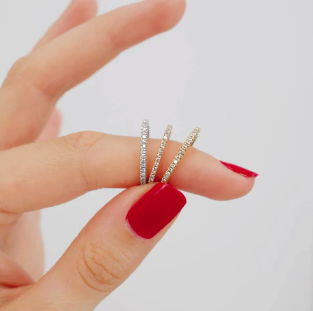
The wedding ring is one of the few objects in human culture that has remained instantly recognisable for thousands of years. Long before diamonds, before elaborate ceremonies or legal contracts, a simple band worn on the hand carried meaning that transcended language, geography and belief systems. Today, wedding rings are deeply personal, stylistic and diverse, yet their roots are grounded in ritual, symbolism and social evolution.
Understanding the history of the wedding ring reveals not just how jewellery has changed, but how marriage itself has been shaped by culture, religion and shifting ideas of partnership.
The earliest known use of wedding rings dates back to Ancient Egypt, over 4,000 years ago. Archaeological findings suggest that rings made from braided reeds, leather or bone were exchanged as symbols of eternity. The circular shape, with no beginning or end, represented continuity and the infinite nature of commitment. This symbolism was central to Egyptian beliefs about life, death and the afterlife.
According to historical research referenced by the British Museum, Egyptians viewed the circle as sacred, and the act of wearing a ring signified an unbroken bond. While these early rings were not made from precious metals, their value lay in meaning rather than material.
The placement of the ring on the fourth finger of the left hand also traces back to this period. Ancient Egyptians believed that a vein ran directly from this finger to the heart, a concept later referred to as the vena amoris. Although anatomically inaccurate, the idea endured, shaping ring-wearing traditions for centuries.
The Romans adopted and adapted the practice of exchanging rings, though their interpretation was more pragmatic. Roman wedding rings were often made of iron, symbolising strength and permanence rather than romance. In many cases, the ring functioned as a public declaration of ownership and legal agreement rather than emotional unity.
Historical analysis published by the Metropolitan Museum of Art notes that Roman rings were closely tied to contractual marriage practices. Over time, gold replaced iron among wealthier classes, signalling status as well as commitment.
As Christianity spread across Europe, wedding rings took on new religious significance. By the Middle Ages, the exchange of rings had become integrated into Christian marriage ceremonies. Rings were blessed by priests and imbued with spiritual meaning, representing fidelity, obedience and divine union.
Manuscripts and liturgical records referenced by the Vatican Library show that rings were sometimes engraved with prayers or religious symbols, reinforcing their sacred role. During this period, rings were not always worn on the same finger across regions, reflecting varied interpretations of tradition.
The medieval era also introduced greater ornamentation. While early rings were simple bands, later designs incorporated engravings, gemstones and inscriptions. Posy rings, engraved with romantic verses inside the band, became particularly popular in England from the fifteenth century onwards.
Literary historians writing for the British Library have documented how posy rings reflected the growing association between marriage and affection rather than purely alliance or property. These inscriptions, often written in French or Latin, marked a shift towards personal expression within the institution of marriage.
The Renaissance further transformed wedding rings as craftsmanship advanced. Goldsmithing flourished, and rings became more refined in form and decoration. Gemstones such as sapphires, rubies and diamonds began to appear more frequently, though diamonds remained rare and reserved for the elite.
One of the earliest recorded diamond engagement rings was given in 1477, but diamonds in wedding bands remained uncommon until much later. The symbolism of gemstones often mattered more than their rarity, with different stones representing loyalty, fertility or protection.
By the eighteenth and nineteenth centuries, industrialisation reshaped jewellery production. Rings became more accessible, and styles diversified. The Victorian era introduced sentimental symbolism, with rings incorporating motifs such as hearts, hands and flowers.
Historical commentary in The Victoria and Albert Museum explains how Victorian wedding jewellery reflected broader cultural values around romance, morality and domestic life. Wedding rings became less about public declaration and more about private meaning.
The twentieth century marked one of the most significant shifts in wedding ring history. During the First World War, men began wearing wedding rings more widely, particularly soldiers who wanted a tangible reminder of home. This marked a departure from earlier traditions where rings were worn almost exclusively by women.
Social historians writing for the Imperial War Museums note that this change permanently altered perceptions of marriage as a shared commitment rather than a gendered one. From this point onward, wedding rings became symbols of mutual partnership.
The mid-twentieth century also saw the standardisation of plain metal bands, particularly in Western cultures. Yellow gold became the default choice, valued for its durability and symbolism of prosperity. Simplicity was often associated with seriousness and permanence.
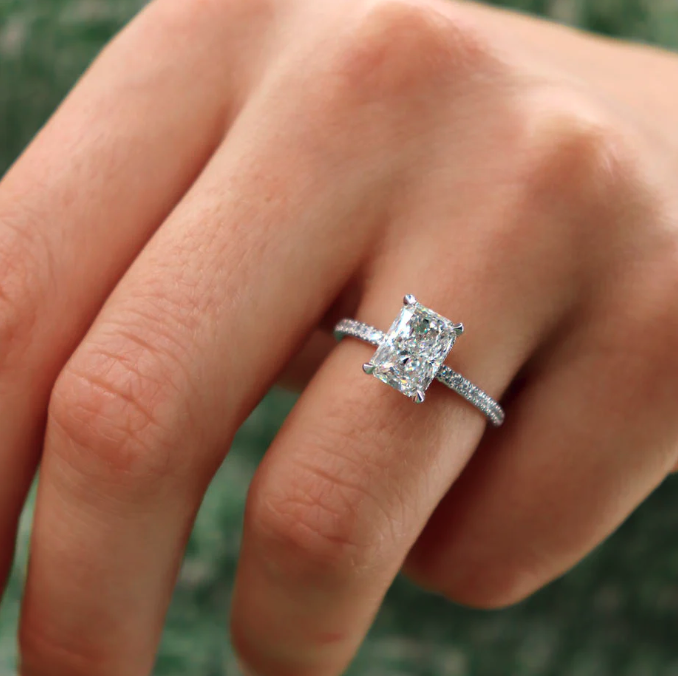
However, the latter part of the century brought renewed experimentation. White metals gained popularity, influenced by changing fashion and the rise of diamond engagement rings. The distinction between engagement and wedding rings became more defined, particularly in the UK and US.
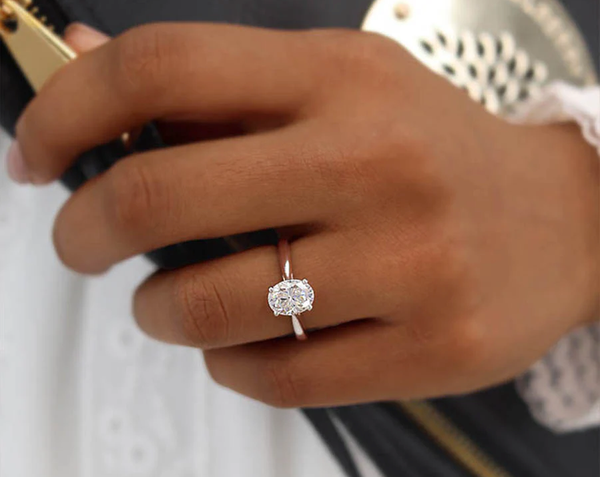
Contemporary wedding rings reflect unprecedented diversity. Today, couples choose from a wide range of finishes, profiles and metals, often prioritising comfort, lifestyle compatibility and personal identity. Matching bands are no longer assumed, and many couples opt for rings that differ in style but align in meaning.
This evolution mirrors broader changes in how marriage is understood. Sociological analysis published by the Pew Research Center highlights how modern relationships emphasise equality, communication and individual choice. Wedding rings have adapted accordingly, becoming expressions of partnership rather than conformity.
Cultural commentary in Vogue has observed that modern wedding jewellery favours intentional design over rigid tradition. Rings are chosen not because they follow a rule, but because they feel authentic to the wearer.
Despite this evolution, certain elements remain constant. The circular form endures. The act of exchange remains central. The ring continues to represent commitment made visible.
Even as materials and styles change, the wedding ring’s symbolic power persists. It is worn daily, often without thought, yet carries profound meaning. Few objects accompany individuals through as many moments of life.
Today, couples exploring a wide range of wedding rings are participating in a tradition that spans millennia, even as they redefine it for themselves. The choice of ring becomes a dialogue between history and personal story.
Looking ahead, wedding rings are likely to continue evolving. As societal definitions of marriage expand and traditions become more inclusive, rings will reflect those changes. What will remain is the human desire to mark commitment through something tangible and enduring.
The wedding ring has survived empires, religions, wars and social revolutions. Its form has changed, its meaning has deepened, and its relevance has never diminished.
From braided reeds to refined metal bands, the wedding ring tells a story of continuity in a changing world. It is both ancient and modern, collective and personal.
A small object with an extraordinary legacy.