What Engagement Ring Styles Hold Their Appeal Over Time? UK Expert Insight
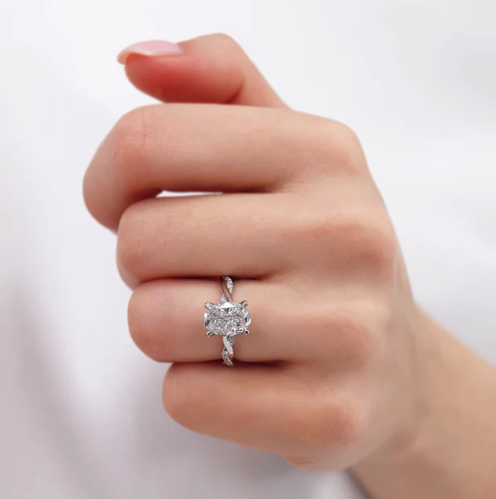
Trends move quickly, but engagement rings are not designed to. Chosen to mark one of life’s most significant commitments, an engagement ring is expected to feel relevant not just in the year it is bought, but decades later. In the UK, where engagement rings are often worn daily for a lifetime, the question of longevity has become increasingly important. Buyers are no longer asking what is fashionable now, but what will still feel right years from today.
The idea of a “timeless” engagement ring is often misunderstood. It does not mean boring, predictable or devoid of personality. Rather, it refers to designs that transcend short-term trends because they balance proportion, practicality and emotional resonance. These are styles that continue to feel elegant even as fashion cycles evolve around them.
Editorial coverage in Vogue UK has long highlighted this distinction, noting that the most enduring jewellery designs are those rooted in craftsmanship and restraint rather than novelty. Engagement rings that hold their appeal over time tend to prioritise balance and clarity over statement trends that quickly date.
In the UK market, certain styles consistently prove resilient. Their appeal is not accidental, but the result of decades, sometimes centuries, of cultural reinforcement. These rings are chosen not because they are safe, but because they are reliable expressions of commitment that adapt to changing tastes without losing relevance.
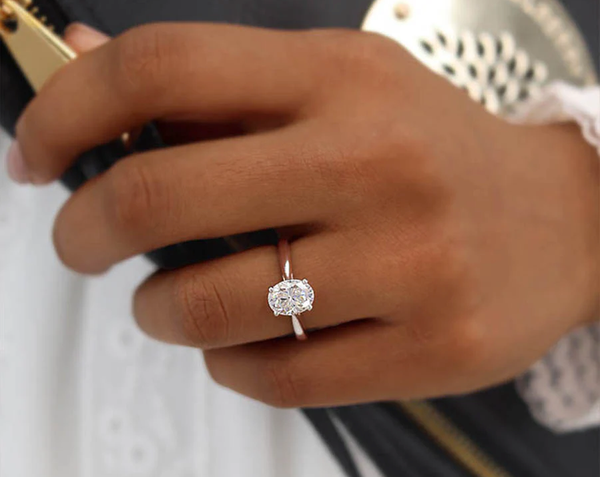
The classic solitaire remains the clearest example. Defined by a single central stone, most often a diamond, the solitaire has endured precisely because of its simplicity. Its design places emphasis on the stone itself, allowing cut, clarity and proportion to take precedence over embellishment. This restraint gives the solitaire an adaptability that trend-driven designs often lack.
Historically, the solitaire gained prominence in the early twentieth century, but its dominance has continued into the modern era. According to jewellery historians cited by The British Museum, minimalist jewellery designs often survive longest because they allow wearers to project their own meaning onto the piece rather than inheriting a fixed aesthetic narrative.
For UK couples, solitaires also offer practical longevity. Their clean lines pair easily with wedding bands, anniversary rings and evolving personal style. A ring that looks equally appropriate with jeans as it does with eveningwear is more likely to remain beloved over time.
Closely related to the solitaire’s appeal is the enduring popularity of round brilliant-cut diamonds. While fancy cuts rise and fall in popularity, the round brilliant has maintained its status as the most recognisable and versatile shape. Its symmetry maximises light performance, but its longevity is cultural as much as technical.
Coverage in The Financial Times has explored how classic diamond cuts retain resale and heirloom value more consistently than trend-led shapes. While many buyers do not purchase engagement rings with resale in mind, this stability reinforces confidence in traditional choices.
That said, timelessness does not require uniformity. Oval, emerald and cushion cuts have also demonstrated long-term appeal, particularly when paired with understated settings. These shapes have historical roots stretching back to the Art Deco and Georgian periods, lending them a sense of continuity rather than novelty.
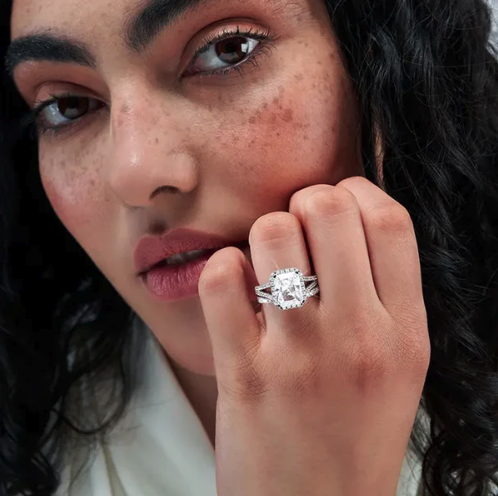
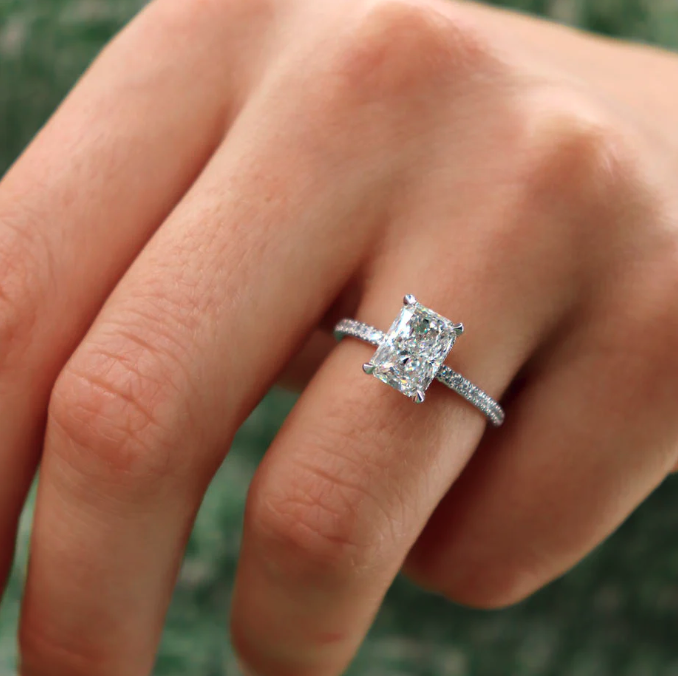
Emerald-cut engagement rings, for example, continue to appeal to UK buyers drawn to elegance over sparkle. Their step-cut facets emphasise clarity and proportion, creating a look that feels architectural rather than decorative. Fashion editors at Harper’s Bazaar UK have noted that emerald cuts cycle in and out of trend visibility, but never truly disappear.
Metal choice also plays a significant role in longevity. Platinum and yellow gold remain the most enduring options in the UK market. Platinum’s durability and neutral tone have made it a staple for engagement rings designed to withstand daily wear. Yellow gold, once considered old-fashioned, has experienced a revival rooted in nostalgia rather than trendiness.
Interestingly, the return of yellow gold has been framed less as a fashion statement and more as a desire for warmth and individuality. Editorials in The Telegraph have observed that yellow gold’s enduring appeal lies in its ability to age gracefully, developing character rather than appearing dated.
White gold and rose gold, while popular, tend to reflect more specific eras. Rose gold in particular has been closely associated with the late 2010s, leading some buyers to question its long-term relevance. While personal taste should always take precedence, UK couples increasingly consider how metal colour will feel across different stages of life.
Vintage-inspired engagement rings represent another category with lasting appeal. These designs often draw from Edwardian, Art Deco or Victorian influences, incorporating milgrain detailing, delicate halos or intricate settings. Their endurance comes from historical reference rather than trend adoption.
According to jewellery experts interviewed by BBC Culture, designs rooted in identifiable historical periods often feel timeless because they already carry the weight of longevity. A ring inspired by a century-old design feels less tied to contemporary fashion cycles.
However, the key to longevity in vintage-inspired rings lies in moderation. Overly ornate designs can feel visually heavy over time, while subtle detailing tends to age more gracefully. UK jewellers frequently advise buyers to focus on proportion rather than embellishment when selecting vintage styles.
Halo settings offer a more complex case. While halos have fluctuated in popularity, certain executions have proven enduring. Thin, delicate halos that enhance rather than dominate the centre stone tend to hold their appeal better than bold, oversized designs. This nuance is often overlooked in discussions of timelessness.
Editorial analysis in Elle UK has pointed out that halos themselves are not inherently trend-driven; it is scale and execution that determine longevity. A restrained halo can function as a classic frame, while exaggerated designs are more susceptible to dating.
Band design is another often underestimated factor. Plain, softly rounded bands tend to age better than sharply contoured or heavily embellished ones. This is partly practical, as simpler bands wear more comfortably over time, but it is also aesthetic. Understatement allows the ring to evolve alongside the wearer.
In recent years, there has been growing interest in lab-grown diamonds and alternative gemstones. While these options raise questions about long-term perception, their timelessness depends largely on design rather than origin. A well-proportioned ring with a lab-grown diamond in a classic setting is likely to age just as well aesthetically as its mined counterpart.
Publications such as The Guardian have explored how ethical considerations are reshaping luxury consumption. For many UK couples, a ring’s values are now part of its lasting appeal. Knowing that a ring aligns with personal ethics can deepen attachment over time, regardless of shifting trends.
Ultimately, the engagement ring styles that endure are those chosen with intention rather than impulse. They balance personal taste with proportion, symbolism with practicality. They are rings that do not demand attention, but reward it.
Timelessness is not about avoiding change. It is about choosing designs that feel stable as life changes around them. In the UK, where engagement rings often become family heirlooms, this stability carries particular weight.
Fashion will continue to evolve. Trends will rise, peak and fade. But engagement rings chosen for their clarity, craftsmanship and emotional relevance will continue to hold their appeal, not because they resist time, but because they are designed to move through it.