What Size Diamond for an Engagement Ring? The 2026 UK Guide to Choosing the Perfect Carat
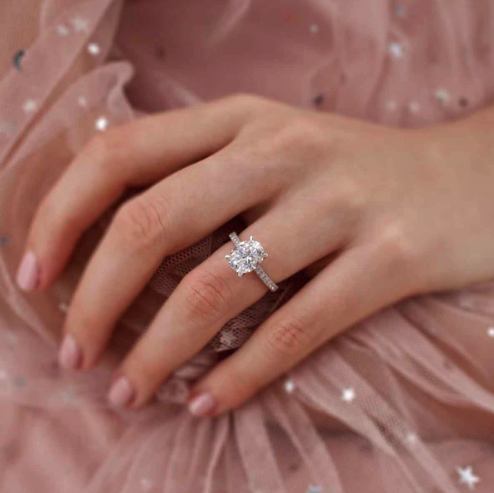
Choosing the size of a diamond is one of the most emotionally charged moments in the engagement ring journey. The carat weight influences the overall look, presence and symbolism of the ring, and for many couples it becomes a reflection of personality, lifestyle and shared values. Yet contrary to popular belief, choosing the right diamond size is not simply about going as large as possible. It is about balance. It is about proportion. It is about the interplay between the stone, the design, the hand it will sit on and the story a couple wants their ring to tell.
In 2026, British couples are approaching diamond size with more nuance and confidence than previous generations. As Vogue UK has noted, trends in engagement rings are shifting towards meaningful choices rather than prescriptive rules. Couples are moving away from fixed ideals and focusing on what suits their individual style, lifestyle and budget. The concept of a one size fits all diamond is fading, replaced by a more personal, more expressive approach.
This guide explores how to choose the right diamond size for an engagement ring, drawing on modern British preferences, expert gemmology insights and cultural influences shaping the way we shop for diamonds today.
The History of Carat Weight and Why It Still Matters
The term carat originates from the carob seed which was historically used as a natural weight measure for gemstones. Over time, diamond merchants relied on the seeds because they were believed to have a consistent mass. The modern metric carat was standardised in 1913 to equal 0.2 grams, creating uniformity across markets.
Although today’s diamond industry is far more advanced and technical, the appeal of carat weight endures because it provides a shared language. When someone envisions a one carat diamond, they imagine a specific presence on the hand. When they imagine a two carat stone, they picture something more dramatic. Carat weight offers structure, even if it only tells part of the story.
As The Guardian has reported in recent years, modern shoppers are increasingly aware that larger carat weights do not automatically result in a more beautiful stone. Cut quality, proportions and brilliance often contribute more to visual impact than size alone. A well cut seventy point diamond can sometimes look brighter and more impressive than a poorly cut one carat stone.
Understanding carat weight is essential, but understanding how it interacts with other factors is what helps couples make confident decisions.
The Changing Carat Preferences of UK Couples
Carat preferences have evolved significantly over the last twenty years. The classic one carat benchmark still holds cultural significance, but in the UK the most commonly chosen engagement ring size falls between 0.70 and 1.20 carats. Economic factors play a role, but so does taste.
According to BBC News Lifestyle, there has been a noticeable shift towards understated luxury and more refined proportions. Trends influenced by Scandinavian design, minimalist fashion and the rise of quiet luxury have encouraged British buyers to choose diamonds that feel elegant rather than ostentatious.
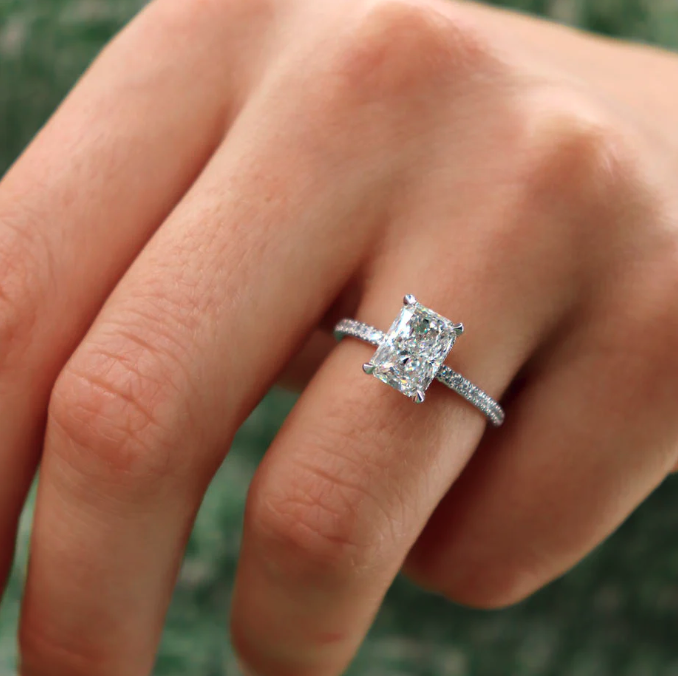
In contrast, social media platforms such as TikTok and Pinterest have amplified the appeal of elongated shapes that maximise visual presence without requiring higher carat weights. Oval, pear and radiant cuts appear larger on the finger due to their surface area, and this has reshaped what couples consider the ideal size. As Cosmopolitan UK has pointed out, elongated diamonds became the breakout trend of 2024 and continue to dominate into 2026.
The modern British preference is not simply about size. It is about shape, sparkle and harmony.
How Carat Weight Affects Appearance
Diamonds do not grow larger in perfect proportion as carat weight increases. A one carat diamond is not twice the visual size of a half carat diamond. The differences are subtler.
A 0.50 carat diamond typically measures around 5 millimetres in diameter. A 1.00 carat diamond measures around 6.5 millimetres. A one and a half carat stone measures around 7.4 millimetres. Each step upwards therefore influences the presence of the stone, but the changes are incremental rather than dramatic.
Cut is the defining factor. A well cut diamond reflects light internally in a symmetrical pattern that amplifies brightness and sparkle. A deeply cut diamond can appear smaller face up, while a shallow cut may look larger but sacrifice brilliance. This is why two one carat diamonds can look completely different on the hand.
As The New York Times reported in a recent piece on modern diamond buying, many couples are choosing smaller but better cut diamonds because visual performance outweighs raw size. Clarity also plays a role. A well cut diamond of slightly lower clarity can still appear clean and brilliant, whereas a larger diamond with visible inclusions may look dull.
Carat weight matters, but it is only powerful when balanced with craftsmanship.
Hand Size, Finger Shape and Proportion
The relationship between carat weight and hand shape is one of the most overlooked aspects of choosing an engagement ring. What looks balanced on one person may look overwhelming or underwhelming on another.
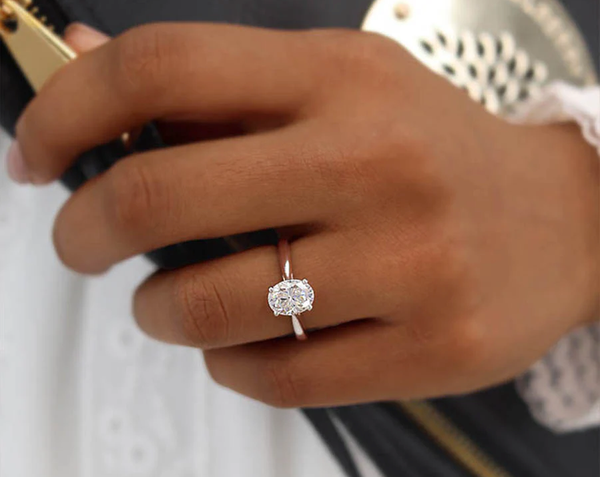
Slim fingers often pair beautifully with stones between 0.70 and 1.00 carats, while wider fingers may suit 1.20 carats and above. Elongated shapes can lengthen the appearance of the finger, making them ideal for those who prefer a refined silhouette.
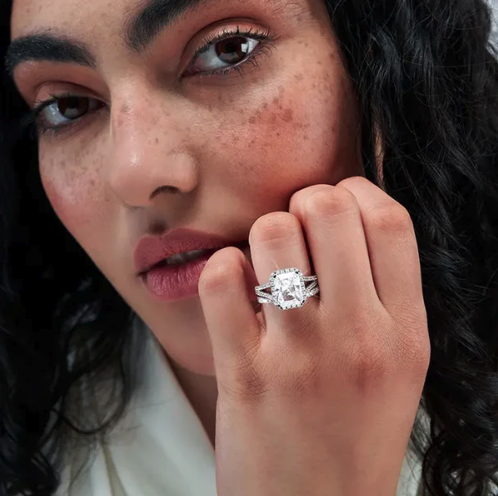
The choice of setting enhances this further. A solitaire places full emphasis on the stone’s size. A halo adds a ring of smaller stones around the centre diamond, increasing visual presence and creating the impression of a larger carat weight. Bezel settings frame the stone more tightly and can make a diamond appear slightly smaller but more substantial.
The best size is one that feels natural, balanced and comfortable for the wearer.
Cultural Influences on Diamond Size
The meaning of carat size is deeply cultural. In the United States, larger stones are often associated with status and success, influenced by Hollywood and celebrity culture. In the UK, the approach is more understated. According to Financial Times, British buyers are more likely to evaluate value, design and craftsmanship rather than size alone.
Royal influence plays a part too. The Princess of Wales wears a sapphire rather than a large diamond. Meghan Markle’s trilogy ring features modestly sized stones in a refined, contemporary setting rather than a large central diamond. These choices contribute to a British preference for subtlety, symbolism and elegance.
Movies and television also shape taste. As Vogue UK highlighted in a recent feature on jewellery in cinema, rings that appear in films such as Crazy Rich Asians, Bridgerton and Pride & Prejudice have driven interest in antique proportions and old cut diamonds. These shapes often look slightly larger than their carat weight and bring a romantic, historical aesthetic to modern designs.
Carat weight is never isolated. It is part of a cultural story.
Budgeting for Carat Weight in 2026
Carat weight is one of the biggest contributors to price, but the relationship is not linear. Prices increase sharply at benchmark weights such as 1.00, 1.50 and 2.00 carats. This is due to rarity and demand rather than visual size.
Shopping just below these thresholds can provide exceptional value. For example, a 0.90 carat diamond can look almost identical to a one carat stone but cost significantly less. The same applies to 1.40 versus 1.50 carats. These near threshold sizes offer sophistication without the premium pricing structure.
As The Guardian noted in its reporting on modern luxury purchases, younger buyers prioritise transparency and long term value over status symbolism. This shift has helped couples approach budgeting with clarity, focusing on the balance of beauty and affordability rather than outdated rules such as the three month salary guideline.
Lifestyle Considerations
A larger diamond may feel impressive on day one, but it must suit the wearer’s lifestyle. Those with active or hands on careers may prefer a slightly smaller size or a protective setting to minimise the risk of damage. Those who frequently wear gloves may prefer lower set designs or stones under one and a half carats.
For some couples, the ability to upgrade the stone later is part of the plan. Others prefer to invest in a timeless size that feels appropriate for every stage of life.
The most meaningful engagement rings balance durability, personal comfort and symbolism.
Choosing the Right Size for You
There is no correct answer to the question of diamond size. The best carat weight is the one that aligns with your taste, lifestyle and values. A half carat diamond can be exquisite. A one carat diamond can be iconic. A two carat stone can be a statement of confidence and beauty.
The key is understanding how cut, shape, setting and proportion influence the overall impact. When these elements harmonise, the diamond looks and feels perfect regardless of carat weight.
As BBC News observed in a recent cultural piece, modern luxury is no longer about quantity but intentionality. This is especially true for engagement rings. The best size is the one chosen with love, care and authenticity.
Conclusion: A Diamond Size Guided by Meaning, Not Rules
The size of a diamond is not a measurement of love. It is a design choice. It is an aesthetic choice. It is a symbolic choice. Whether the stone is subtle or bold, what matters most is that it reflects the person who will wear it and the relationship it celebrates.
In 2026, British couples are rewriting the rules of engagement ring design. They are choosing understated elegance, ethical sourcing, romantic symbolism and personal expression. The right carat weight is not a universal number but a deeply individual one.
A diamond’s size will always matter, but the most important thing it measures is meaning.