Why Engagement Rings Are Being Chosen With Workwear in Mind
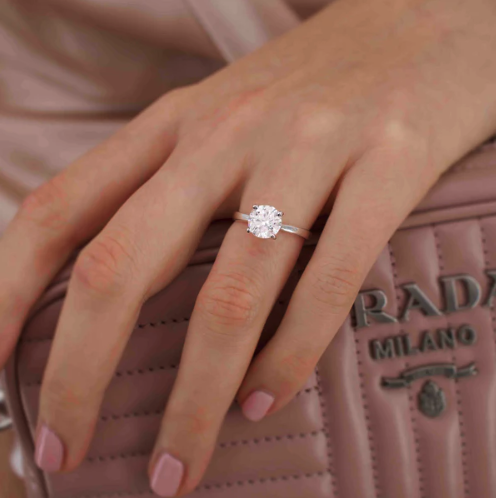
In 2026, engagement rings are no longer chosen solely for how they look in proposal photos or formal settings. Increasingly, they are being selected with everyday work life firmly in mind. This shift reflects a broader change in how people live, work and define luxury. Jewellery is no longer reserved for special occasions. It is expected to move fluidly between professional environments, personal time and everything in between.
The modern working day looks very different from that of previous generations. Hybrid schedules, flexible dress codes and blurred boundaries between professional and personal life have reshaped how people interact with the objects they wear daily. Engagement rings, once designed primarily as symbolic statements, are now being considered as functional companions to working life.
Fashion and lifestyle commentary from Vogue has highlighted how workwear itself has evolved, becoming more expressive and individual rather than strictly uniform. As professional dress codes loosen, jewellery choices are becoming more intentional, balancing personal meaning with practicality.
One of the key drivers behind this shift is the reality of how often engagement rings are worn. For most people, an engagement ring is not removed at the end of the day. It is worn during meetings, commutes, typing, travel and hands on tasks. As a result, comfort, durability and ease of wear have moved to the forefront of decision making.
Workplace research published by Harvard Business Review has explored how modern professionals value tools and accessories that support rather than interrupt their workflow. Engagement rings are increasingly viewed through this same lens. They must feel seamless within daily routines rather than precious objects that require constant adjustment.
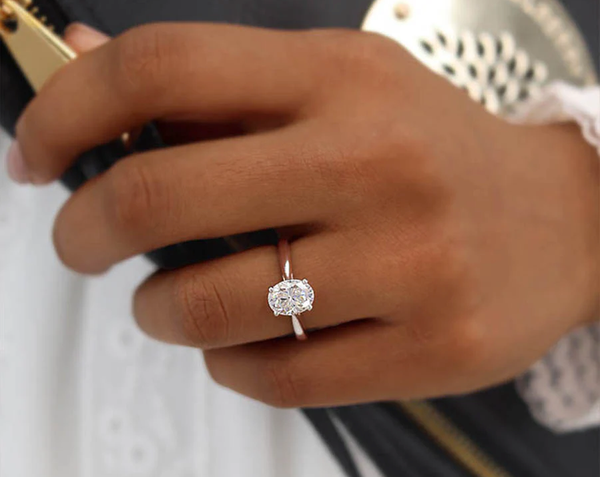
Ring profiles have been one of the most visible areas of change. High set engagement rings, once favoured for their visual drama, are being reconsidered by those who spend long hours typing or using their hands. Lower profile settings offer a practical alternative, reducing the risk of catching on clothing or equipment while still maintaining visual presence.
Jewellery education resources from the Gemological Institute of America explain how setting height directly affects wearability. Lower set stones are generally less exposed to impact, making them more suitable for daily wear. This knowledge has become more mainstream as consumers take a more informed approach to selection.
Stone shape has also become a workwear consideration. Shapes with softer outlines, such as oval, cushion or round cuts, are often favoured over sharp cornered styles in professional contexts. These shapes tend to feel smoother against the hand and less likely to snag on fabrics or gloves.
Design analysis in The Financial Times has noted that modern luxury increasingly prioritises ease of use. Objects that integrate effortlessly into daily life are seen as more valuable than those that demand accommodation. Engagement rings are following this trajectory, with design decisions increasingly shaped by lived experience.
Band width and structure are another important factor. Extremely thin bands, while visually delicate, can feel less secure during active workdays. Many buyers are opting for slightly wider bands that offer stability without feeling heavy. This balance supports both longevity and comfort.
Cultural commentary from The Guardian has explored how practicality is no longer seen as the enemy of style. In jewellery, this has translated into designs that feel purposeful rather than ornamental, appealing to professionals who want their ring to reflect both commitment and capability.
Metal choice has also become more intentional. Platinum and certain gold alloys are favoured for their durability and resistance to wear. For individuals working with their hands, choosing a metal that maintains its integrity over time reduces anxiety around daily use.
Material science reporting from Wired has examined how advances in metallurgy influence consumer expectations. As people become more aware of material performance, they apply this understanding to personal purchases, including fine jewellery.
The rise of hybrid working has further accelerated this shift. When professional and personal environments overlap, jewellery must adapt to multiple contexts. Engagement rings are now expected to transition seamlessly from video calls to client meetings to personal time without feeling out of place.
Sociological research discussed by Pew Research Center highlights how hybrid work has reshaped identity and self presentation. Jewellery choices, including engagement rings, play a role in how individuals express continuity across different aspects of life.
Another factor influencing workwear conscious ring choices is the growing diversity of professions. Engagement rings are no longer designed with a narrow set of lifestyles in mind. Healthcare workers, engineers, creatives, educators and entrepreneurs all interact with their hands differently, and ring design is responding accordingly.
Occupational analysis from The Office for National Statistics illustrates how varied modern work has become. This diversity has encouraged more inclusive design thinking in jewellery, recognising that one style does not suit every working life.
Importantly, choosing an engagement ring with workwear in mind does not mean sacrificing beauty. Instead, it reflects a more confident understanding of personal style. A ring that feels comfortable and secure often feels more luxurious because it supports rather than interrupts daily life.
Fashion psychology explored by Psychology Today suggests that people feel more confident when their clothing and accessories align with their routines. An engagement ring that fits seamlessly into a workday can enhance rather than distract from professional presence.
This shift also reflects changing attitudes towards status. Visible extravagance is no longer the default marker of success. Subtlety, intention and functionality are increasingly valued, particularly in professional environments.
Luxury market analysis from McKinsey & Company has noted that understated design is gaining traction among younger professionals. Engagement rings that prioritise wearability over spectacle align with this broader preference.
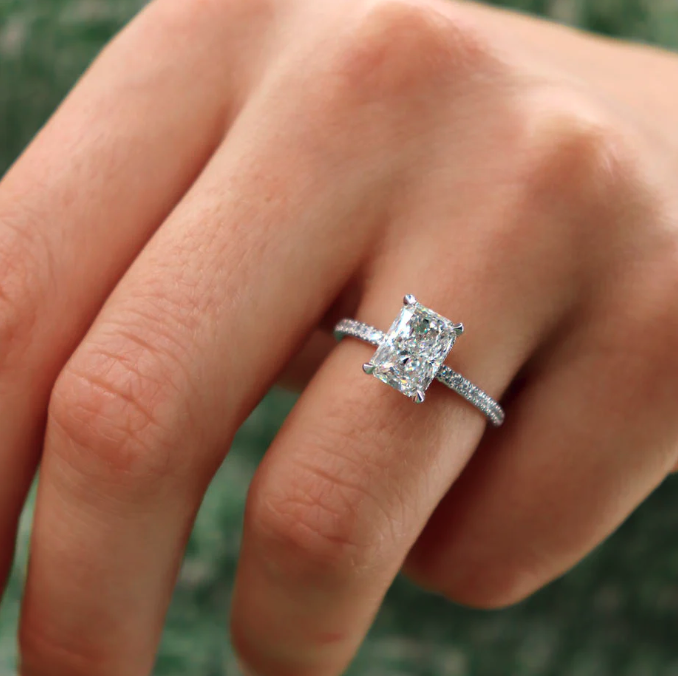
From a design perspective, this has led to renewed interest in timeless settings that prioritise proportion and balance. Bezel settings, flush settings and low profile prongs have gained popularity for their clean lines and secure construction.
Architectural commentary in Dezeen has explored how minimalist design principles influence jewellery, favouring forms that feel intentional and structural. These principles translate naturally into workwear conscious engagement ring designs.
Retail conversations have evolved alongside these trends. Rather than focusing exclusively on carat weight or visual impact, discussions now centre on lifestyle, routine and long term wear. This approach supports confidence and helps buyers make choices that feel sustainable.
Exploring contemporary engagement ring collections, such as those available through Lily Arkwright, reflects this shift towards lifestyle led design. Rings are presented as part of everyday life, supporting both professional and personal expression.
Crucially, this movement is not about imposing rules. There is no single correct way to choose an engagement ring for work. Some professionals still prefer bold designs that make a statement, while others gravitate towards subtle profiles. What has changed is the freedom to prioritise comfort without apology.
Cultural analysis from BBC Worklife has highlighted how modern professionals increasingly value autonomy in how they present themselves. Engagement rings chosen with workwear in mind reflect this autonomy, balancing symbolism with self awareness.
Looking ahead, engagement rings designed for working life are likely to remain central to jewellery conversations. As work continues to evolve, so too will expectations around what fine jewellery should do and how it should feel.
These rings are not being chosen because romance has diminished. They are being chosen because commitment is now understood as something that lives within everyday reality rather than apart from it.
An engagement ring that supports a working life becomes part of a personal rhythm. It is worn confidently, not carefully. It reflects intention rather than obligation.
In that sense, choosing an engagement ring with workwear in mind is not a compromise. It is a sign of clarity.
It recognises that modern love exists alongside modern life.
And in 2026, that balance defines a new kind of luxury.