Why More British Women Are Designing Their Own Engagement Rings in 2026
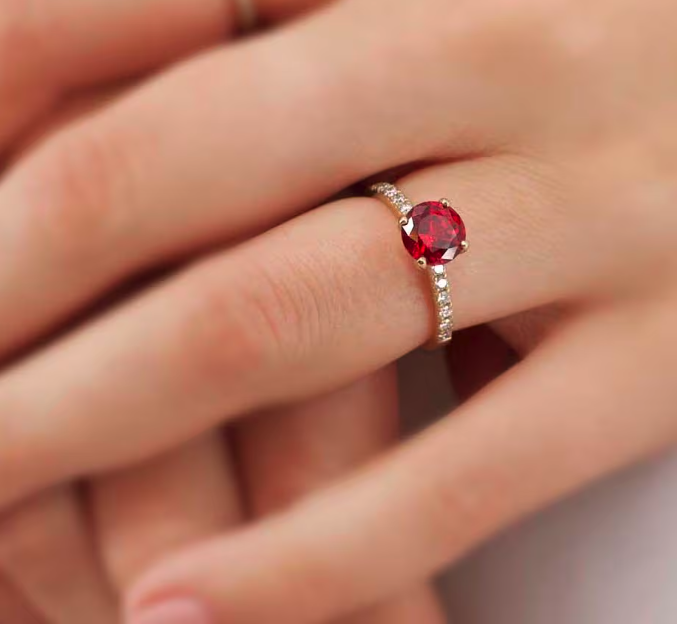
The engagement ring has long been a symbol shaped by tradition, romance and cultural expectations. For generations, the familiar ritual unfolded the same way. A partner would choose the ring in secret, often guided by a jeweller rather than the person who would ultimately wear it. Yet in 2026, that convention has been quietly rewritten across the United Kingdom. Increasingly, British women are designing their own engagement rings, taking creative and emotional ownership of a piece of jewellery that symbolises the beginning of their future.
What was once a passive tradition has become a form of self expression, craftsmanship and personal narrative. As Vogue UK observed in a recent feature on modern romance, the contemporary engagement ring is no longer something women simply receive. Instead, it has become “a collaboration, a crafted object that embodies shared intention rather than silent assumption.” This shift tells a broader story about independence, identity and the way relationships themselves are evolving.
Designing an engagement ring is no longer considered unromantic. It is, for many couples, an act of partnership. For women, it can be a chance to reclaim the symbolism of a tradition historically shaped by male decision making. And in an era where individuality carries as much weight as heritage, it is unsurprising that the trend is flourishing.
A Shift in British Engagement Culture
British engagement traditions are steeped in history, yet they have never been immune to reinterpretation. The BBC reports that millennials and Gen Z have moved away from many conventional romantic gestures, preferring instead choices that feel personal, practical and emotionally authentic. The rise of self designed engagement rings reflects this cultural progression.
Increasing financial equality between partners has also altered the landscape. As more women contribute significantly to household income, the idea of taking part in the purchasing and design process feels not only natural but empowering. According to The Guardian Lifestyle, younger women are more likely to view engagement rings as pieces of art and craftsmanship rather than tokens of status, which makes them more interested in shaping the design themselves.
This generation is also more literate in gemology, design and sustainability. With endless access to digital research, social media and jewellery education, women today enter the design process with confidence and curiosity. Engagement ring shopping has transitioned from a mysterious process to a transparent and collaborative one.
The Influence of Social Media and Creative Platforms
The rise of self curated engagement rings owes a significant debt to social media platforms such as Instagram and Pinterest. These platforms have reshaped visual culture, turning jewellery inspiration into a global gallery accessible to anyone. Women in the UK can browse thousands of cuts, settings and gemstone styles without stepping foot inside a jewellery workshop.
Cosmopolitan UK highlighted in a 2026 trend report that the ability to save ideas, compile mood boards and compare aesthetics has emboldened more women to participate in the design conversation. The trend no longer feels niche or overly luxurious. It has become a natural extension of the digital creative habits already integrated into daily life.
TikTok also plays a surprising role. Videos that showcase bespoke ring design, stone selection or CAD rendering attract millions of views. For British women, watching other couples customise their rings helps demystify the process and encourages participation. Designing a ring no longer seems intimidating. It seems exciting.
The Rise of the Bespoke Aesthetic
The concept of bespoke luxury has become increasingly mainstream. British women are no longer drawn exclusively to traditional solitaire settings or predictable round brilliant diamonds. Instead, many seek engagement rings that reflect their individuality, whether through unconventional cuts, varying gemstone shapes or deeply personal symbolic elements.
According to Financial Times, bespoke jewellery has surged in demand among younger buyers who see customisation as a form of storytelling rather than extravagance. The bespoke ring carries emotional resonance. It holds the wearer’s taste, values and vision, ensuring that the symbolism feels genuine.
Many women opt for designs inspired by heritage styles such as Victorian clusters or Art Deco geometry. Others gravitate toward sleek contemporary silhouettes influenced by Scandinavian minimalism. The range is vast, reinforcing why self design has become so appealing. British women no longer wish to conform to a single definition of “the perfect ring.” They want one that reflects their world.
Empowerment Through Knowledge
One of the strongest forces behind this trend is knowledge. As NYT Style observed, the modern jewellery consumer is unusually well informed. They understand gemstone quality, diamond grading, ethical sourcing and design techniques in ways previous generations did not.
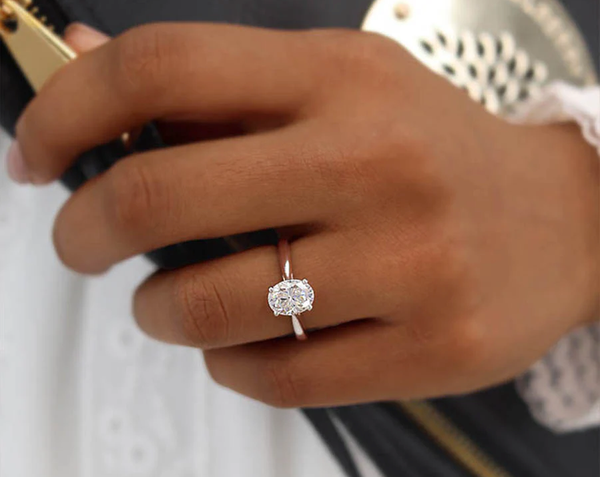
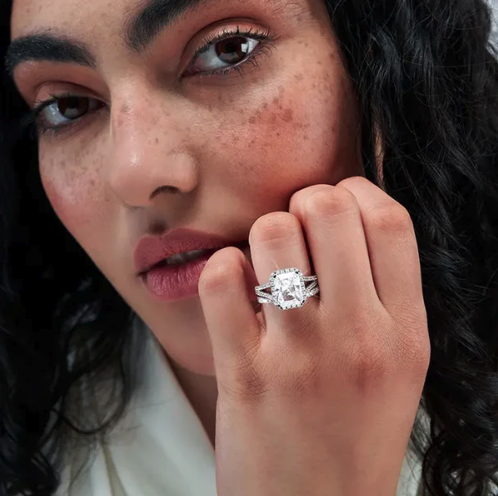
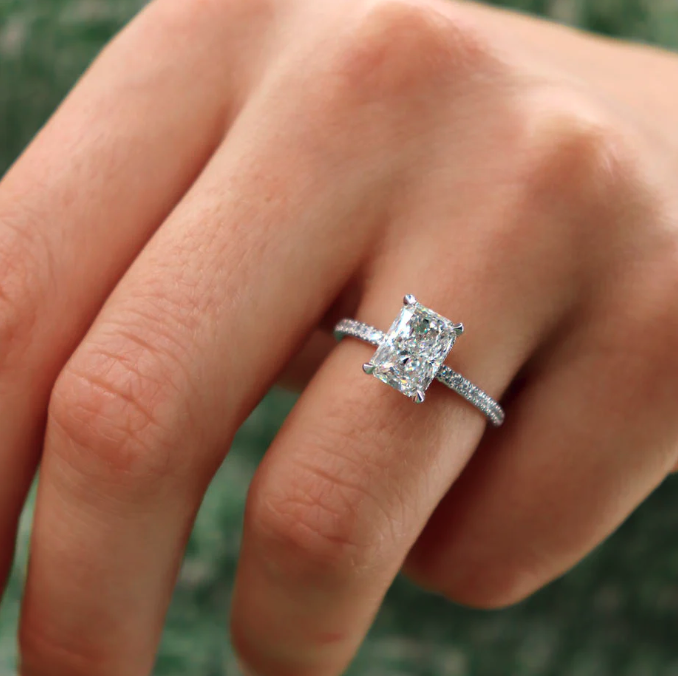
This knowledge encourages participation. British women today are fluent in the language of carat, clarity and colour. They understand the subtleties of oval versus emerald cut, the ethical weight of natural versus lab grown stones and the structural differences between cathedral and bezel settings.
Such literacy fosters empowerment. Instead of receiving something chosen on their behalf, women can shape the piece using informed opinion. It transforms the engagement ring from a passive gift into an intentional collaboration.
Ethics, Sustainability and Responsible Sourcing
One of the most profound shifts in the engagement ring industry is the growing emphasis on sustainability. British women, especially those in their twenties and thirties, frequently cite ethical sourcing as a major factor in their decision making. Whether they choose natural diamonds, lab grown diamonds or coloured gemstones, transparency matters.
The Guardian Environment notes that sustainability concerns influence luxury markets more heavily than ever before. Consumers want assurance that their jewellery is produced responsibly, and designing their ring offers the opportunity to control those choices from the outset.
For many women, selecting their own stones provides a sense of reassurance in knowing the origin, certification and environmental impact. It also allows them to align their engagement ring with their values, making the piece even more meaningful.
The Emotional Power of Co Creation
Engagement ring traditions once focused heavily on surprise. Today, many British couples find romance in co creation instead. The process of designing the ring together becomes its own memory, filled with shared decisions and open communication. It feels intimate and modern rather than old fashioned.
Relationship experts in BBC Lifestyle point out that collaborative rituals strengthen emotional bonds because they require couples to articulate their tastes, hopes and long term values. Designing an engagement ring becomes a miniature version of planning a life together. It is expressive, intentional and deeply personal.
For the women designing their rings, the experience often becomes just as meaningful as the finished piece. The stone chosen, the curve of the band, the height of the setting and the symbolism behind the design all reflect their emotional story.
A Reaction to Outdated Expectations
The modern rise in women led ring design also reflects a rejection of outdated engagement stereotypes. The three month salary rule, the idea that bigger is always better, and the expectation of a mined diamond are traditions increasingly questioned in 2026.
Vogue UK acknowledges that British women are redefining luxury by prioritising authenticity and symbolism over grandeur. Designing their own ring allows them to choose meaning, artistry and comfort rather than social expectation.
Some opt for understated minimalism. Others choose dramatic old European cuts or coloured gemstones such as sapphires, rubies or emeralds. Many prefer lab grown diamonds for sustainability reasons. Each decision reflects autonomy and individuality rather than tradition for tradition’s sake.
A New Chapter in British Engagement Culture
The rising trend of women designing their own engagement rings marks a cultural turning point in the UK. It reflects empowerment, creativity and a desire for authenticity within modern relationships. Far from undermining romance, this shift enhances it. It transforms the engagement ring from a symbol of expectation into one of collaboration and choice.
It also signals a broader cultural change. Women are shaping the narrative of their relationships, their jewellery and their futures with clarity and confidence. The modern British engagement ring is no longer something gifted in isolation. It is something shaped with purpose, informed by knowledge and guided by emotion.
In 2026, British women are not simply wearing engagement rings. They are designing them, redefining them and reclaiming the beauty of a tradition in ways that honour both the past and the present.