Why Natural Diamonds Still Hold Their Place in 2026
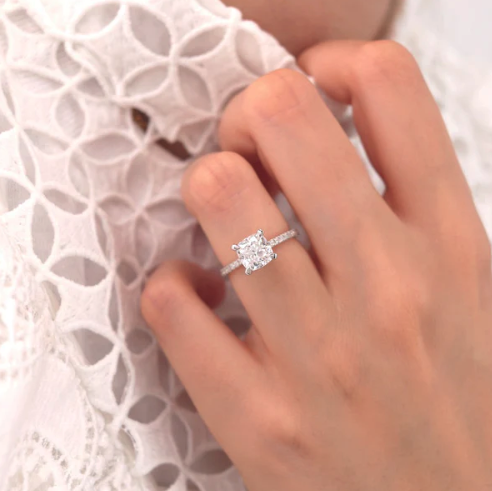
Natural diamonds retain a powerful emotional status in British jewellery culture. Formed deep within the earth over billions of years, they carry a sense of history and craftsmanship that many couples still value when choosing an engagement ring. Yet with so many diamond quality terms, grading reports and pricing factors, the buying experience can feel overwhelming. Many first time buyers simply do not know where to begin.
Publications such as BBC News and The Guardian have reported a steady rise in consumers wanting transparency in luxury purchases, especially where gemstones are concerned. Choosing a natural diamond requires an understanding of the elements that determine beauty, durability and long term value.
This guide offers a clear, practical approach for UK buyers who want to make an informed decision with confidence.
Understanding the Importance of Certification
A reputable natural diamond should always come with an independent grading report from a respected gemmological authority. This verifies the diamond’s quality based on universally accepted criteria, avoiding the risk of inflated grades or misleading descriptions.
The most recognised authorities include:
- The Gemological Institute of America (GIA), widely considered the global standard for grading accuracy and impartiality:https://www.gia.edu
- The International Gemological Institute (IGI), a respected and widely used laboratory offering detailed assessments:https://www.igi.org
A proper grading report protects your purchase by outlining the diamond’s measurable qualities. If a retailer cannot provide one, or suggests you do not need one, this is a clear warning sign.
The Four Cs: The Foundation of Diamond Quality
Every natural diamond is evaluated according to the Four Cs: cut, colour, clarity and carat. Understanding these helps buyers prioritise what matters most for appearance and value.
Cut: The Most Important Factor for Beauty
Diamond cut determines how well the stone interacts with light. A diamond with an excellent cut grade will look bright, lively and symmetrical. Poorly cut diamonds appear dull even if they have good colour or clarity.
Vogue UK recently described cut as “the heartbeat of the diamond,” because it influences brilliance more than any other factor. When in doubt, prioritise cut over carat size for a more visually impressive stone.
Colour: How White the Diamond Appears
Colour grades range from D (colourless) to Z (visible yellow or brown tones). Most UK buyers prefer diamonds between D and H, where the stone appears bright without paying a significant premium for perfect colourlessness.
Lighting can exaggerate or mask colour, so examine the diamond in natural daylight if possible. As The Guardian Fashion noted in a recent features piece, “subtle colour differences often become less noticeable once the diamond is mounted.”
Clarity: The Presence of Natural Features
Clarity refers to internal inclusions and surface blemishes. The scale ranges from Flawless (no visible marks even under magnification) to Included. Most buyers opt for eye clean stones where inclusions are invisible without magnification. These offer excellent value and look identical to higher clarity grades once set.
Carat: Balancing Size and Proportion
Carat refers to weight, not size. Two diamonds of the same carat weight can look different depending on their cut proportions. For example, a well cut one carat diamond may appear larger than a poorly cut one of a higher carat.
Buyers seeking impressive visual impact often prioritise well proportioned stones over higher carat weights with poorer cuts.
Shape Choice: The Style That Will Define Your Ring
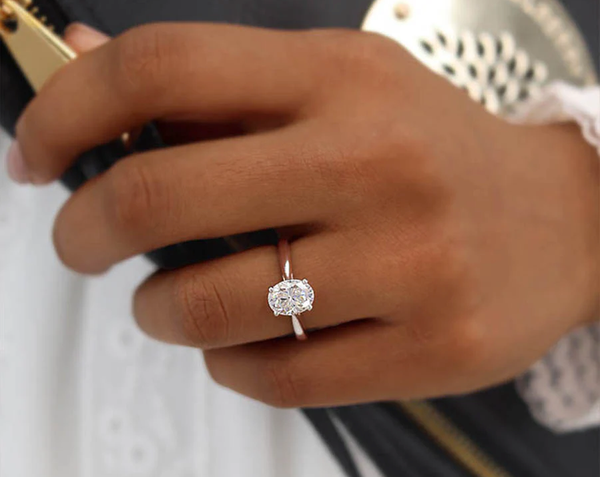
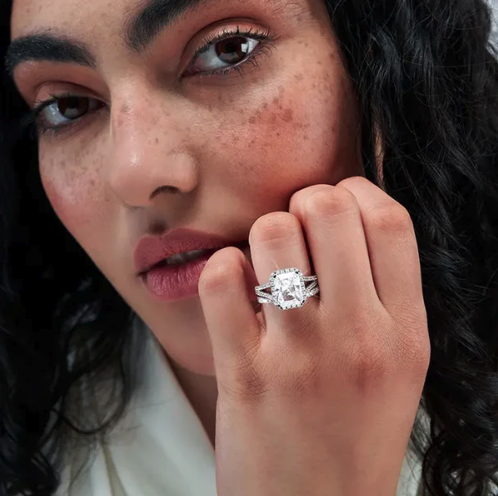
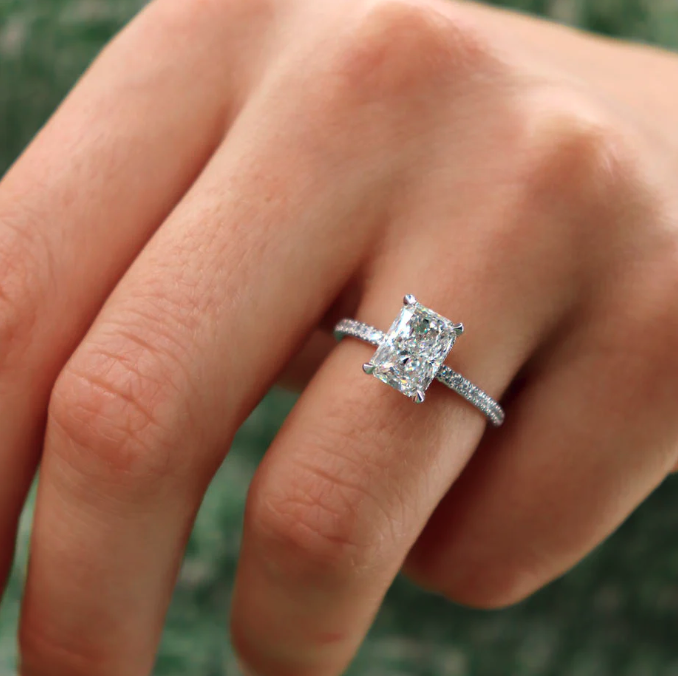
Shape is often a personal preference, but it also affects how the diamond looks on the hand. Round diamonds remain the most popular due to their symmetrical brilliance, but alternative shapes are rising in popularity.
According to BBC Culture, elongated shapes like oval and emerald cuts have become the new favourites among younger buyers due to their elegant proportions and flattering finger coverage.
When choosing a shape, consider:
- the wearer’s hand shape
- the desired visual effect
- the style of the setting
Trying on different shapes often helps buyers discover unexpected favourites.
Ethics and Transparency: What UK Buyers Expect in 2026
British buyers are increasingly conscious of where their diamonds come from. Concerns around environmental impact, worker welfare and responsible mining practices now play a central role in purchasing decisions.
Publications like The Guardian Environment and BBC Future Planet have highlighted the importance of mineral traceability and responsible sourcing. Many modern couples want reassurance that their diamond has been mined under safe and ethical conditions.
Reputable retailers provide:
- full diamond certification
- transparent sourcing information
- details on mining origins when available
Consumers should not hesitate to ask questions about provenance and sustainability practices.
Setting Quality: Why Craftsmanship Matters
A diamond is only as secure and beautiful as the setting that holds it. High quality craftsmanship ensures the stone is both protected and showcased to its full potential.
Elements to look for include:
- precision of prongs or claws
- thickness and strength of the band
- durability of the metal
- smooth finishing to prevent catching
- alignment and symmetry
Poor quality settings can make even a beautiful diamond look unbalanced. They also increase the risk of damage or loss over time. A well crafted setting enhances the diamond’s brilliance and ensures it remains wearable for decades.
Choosing the Right Metal for Your Style and Lifestyle
Metal choice impacts both the appearance and longevity of your ring. In the UK, the most popular engagement ring metals include:
Platinum
Known for its natural whiteness and durability, platinum is ideal for those wanting a low maintenance metal. It does not lose colour over time.
18k White Gold
Elegant and versatile, white gold is typically more affordable than platinum but may require occasional rhodium plating to maintain brightness.
18k Yellow or Rose Gold
These offer warmth and character, especially for vintage inspired designs. Their colour can enhance the look of certain diamond shapes and settings.
Choosing a metal should reflect both style and practicality.
How to Evaluate Sparkle in Person
When viewing a diamond in person, observe how it behaves in different lighting environments. Natural light, indoor lighting and spotlights all affect how a diamond sparkles.
A good diamond should show:
- strong brightness
- clear flashes of white light
- balanced fire and scintillation
- even distribution of sparkle across the surface
Avoid judging diamonds solely under jewellery store spotlights, which can make almost anything sparkle. Real world lighting reveals true performance.
How to Spot Good Value for Money
Value does not mean buying the cheapest diamond. It means purchasing the most beautiful diamond for your budget. Savvy buyers often prioritise:
- Excellent cut grades
- Colour in the near colourless range (G to I)
- Eye clean clarity grades (VS to SI)
- Slightly lower carat weights just under major thresholds such as 1.0 or 2.0 carat
These small adjustments can produce a diamond that looks stunning while allowing the budget to stretch further.
Long Term Care and Insurance
Natural diamonds are durable, but proper care ensures they remain pristine. Regular cleaning, occasional professional inspections and safe storage protect the ring for decades to come. Many UK buyers also choose jewellery insurance for peace of mind, especially for higher value stones.
Conclusion: Confidence Comes from Knowledge
Buying a natural diamond is both an emotional and a practical decision. Armed with knowledge of certification, the Four Cs, ethical sourcing and craftsmanship, UK buyers can approach the process with clarity and confidence. Natural diamonds remain timeless, and understanding what to look for ensures that the diamond chosen becomes a cherished piece of personal history.