Why Setting Height Matters More Than Ever When Choosing an Engagement Ring
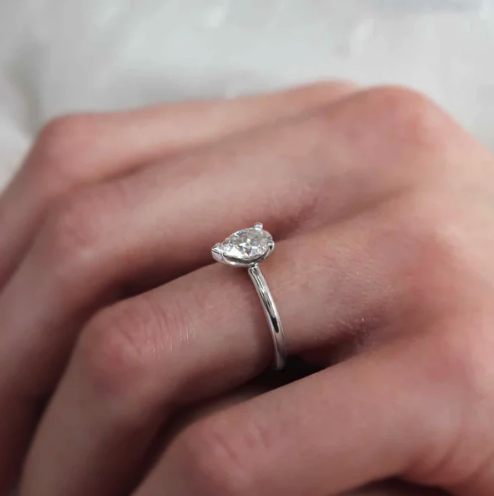
Setting height is one of the most quietly influential decisions in engagement ring design. It shapes how a ring looks, how it feels, how it wears over time and how confidently it fits into everyday life. Yet it is often discussed far less than carat weight or stone shape. In 2026, that imbalance is changing. Buyers are increasingly aware that setting height can determine whether a ring feels effortless or intrusive, timeless or impractical.
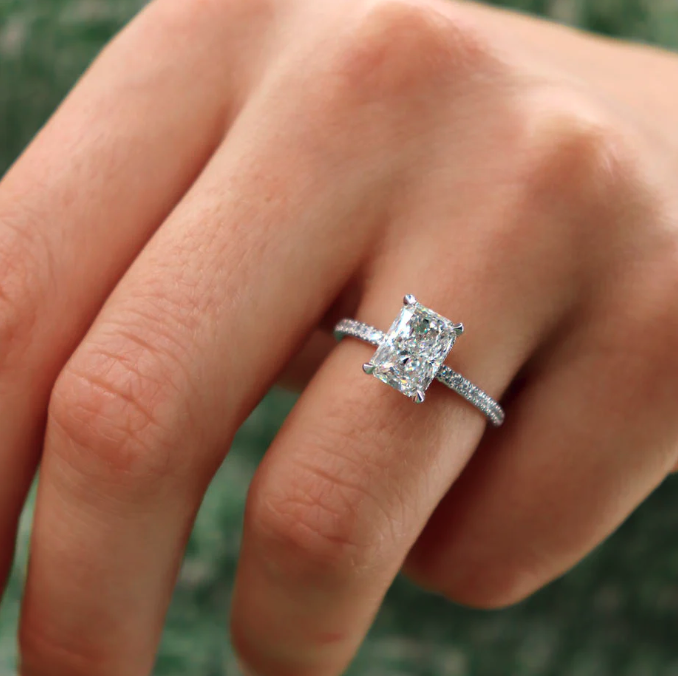
At its simplest, setting height refers to how high the centre stone sits above the finger. A higher setting lifts the stone, allowing more light to enter from different angles. A lower setting brings the stone closer to the band, creating a more streamlined silhouette. Both approaches have merit, but the right choice depends on far more than aesthetics alone.
Modern engagement rings are expected to perform in real life, not just in photographs. They are worn daily, through work, travel and social life. As a result, the conversation around setting height has shifted from purely visual preference to one that includes comfort, longevity and confidence.
Fashion and lifestyle coverage from Vogue has explored how jewellery trends increasingly prioritise wearability and intention over spectacle. Engagement rings are no longer chosen solely for their presence in milestone moments, but for how naturally they integrate into everyday routines. Setting height plays a central role in that integration.
From a design perspective, higher settings traditionally symbolised drama and prestige. Elevating the stone created visual impact and allowed for ornate detailing beneath the centre diamond. Historically, this approach suited lifestyles where rings were worn less frequently or removed during manual tasks.
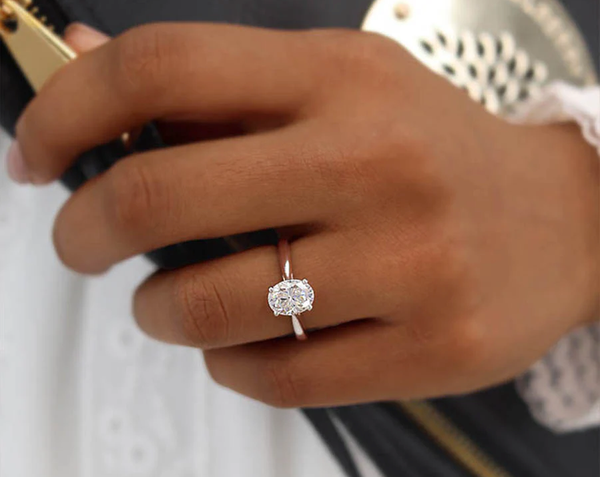
Lower settings, by contrast, have long been associated with practicality and discretion. Bringing the stone closer to the finger reduces exposure and creates a sense of cohesion between stone and band. In contemporary jewellery design, this approach has gained renewed appreciation rather than being seen as a compromise.
Educational resources from the Gemological Institute of America explain that setting height directly affects how a diamond interacts with light. While higher settings can increase light entry from the sides, modern cutting standards mean that brilliance is primarily determined by cut quality rather than elevation alone. This understanding has helped shift focus away from height as a proxy for sparkle.
Comfort is one of the most immediate considerations. A ring with excessive height can feel top heavy, particularly when worn for long periods. It may catch on clothing, knock against surfaces or feel unstable during everyday movements. Over time, these small irritations can significantly affect how often and how happily a ring is worn.
Workplace and lifestyle analysis from Harvard Business Review has highlighted how accessories that interrupt daily tasks can undermine focus and comfort. Engagement rings are increasingly viewed through this same lens. A setting height that supports ease of movement can enhance confidence rather than distract from it.
Durability is another crucial factor. Higher settings expose the stone and prongs to greater risk of impact. While well made rings are designed to withstand everyday wear, repeated knocks can increase the likelihood of maintenance over time. Lower settings offer greater protection simply by reducing exposure.
Jewellery care guidance from The Natural History Museum explains how diamonds, despite their hardness, can still be damaged through impact at vulnerable points. Setting height influences how likely those impacts are to occur, making it an important consideration for long term wear.
Setting height also affects how a ring interacts with other jewellery. Many people plan to wear their engagement ring alongside a wedding band or eternity ring. A very high setting may prevent bands from sitting flush, influencing stacking options and overall comfort.
Design analysis in the Financial Times has noted that modern luxury increasingly values coherence and balance. Engagement rings that integrate seamlessly with other jewellery align with this philosophy, favouring proportion over excess.
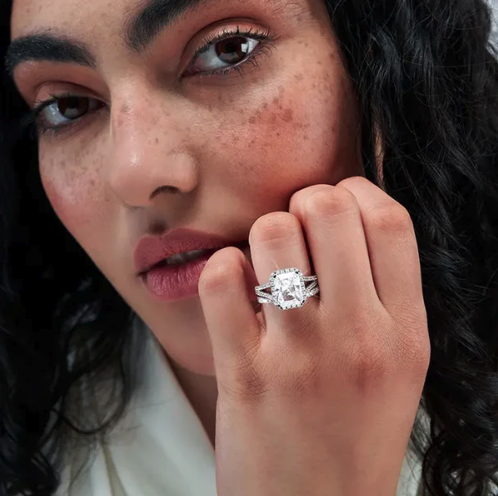
Aesthetically, setting height shapes perception of stone size and profile. Higher settings can make a stone appear more prominent from certain angles, while lower settings emphasise spread and surface area when viewed from above. Neither approach is inherently superior. The difference lies in what feels harmonious to the wearer.
Cultural commentary from The Guardian has explored how understated design choices are increasingly associated with confidence. In jewellery, this has translated into appreciation for pieces that feel intentional rather than attention seeking. Lower and mid profile settings often align with this sensibility.
Lifestyle trends have also played a role. With more people working hybrid schedules and wearing their rings throughout the day, engagement rings are expected to function across multiple environments. A setting that feels appropriate at a desk, during travel and at social events is increasingly valued.
Research discussed by Pew Research Center highlights how blurred boundaries between work and personal life have reshaped consumption habits. Jewellery choices now reflect a desire for continuity rather than switching identities. Setting height directly affects whether a ring feels adaptable or situational.
Importantly, choosing a lower setting does not mean sacrificing elegance. Many contemporary designs use refined prong structures, bezel settings or subtle elevation to achieve balance. These approaches offer visual presence without unnecessary height.
Architectural design commentary from Dezeen has explored how jewellery increasingly draws inspiration from structure and proportion rather than ornamentation. This influence has encouraged designers to reconsider height as a structural element rather than a default feature.
Higher settings still have their place. For those who value traditional silhouettes, dramatic profiles or ornate detailing, elevated designs can feel deeply expressive. The key difference in 2026 is that these choices are made consciously rather than assumed to be the standard.
Luxury market insight from McKinsey & Company suggests that modern buyers value informed choice over prescribed ideals. Understanding setting height empowers buyers to select designs that align with their lifestyle rather than conform to expectation.
Retail conversations have evolved accordingly. Rather than presenting height as an afterthought, jewellers increasingly discuss it alongside stone shape, band width and daily habits. This holistic approach supports confidence and long term satisfaction.
Exploring contemporary engagement ring collections, such as those available through Lily Arkwright, reflects this more thoughtful design language. Settings are presented as lifestyle decisions as much as aesthetic ones, allowing buyers to consider how a ring will feel years down the line.
Setting height also influences emotional connection. A ring that feels secure and comfortable often becomes an extension of the wearer rather than an object that requires care and caution. This ease can deepen attachment over time.
Psychological insight from Psychology Today suggests that people form stronger bonds with objects that integrate seamlessly into their routines. An engagement ring that fits naturally into daily life can carry greater emotional weight.
Looking ahead, the importance of setting height is unlikely to diminish. As engagement rings continue to be worn as everyday jewellery rather than symbolic accessories, design decisions that support longevity and comfort will remain central.
Setting height matters because it shapes experience, not just appearance. It determines how a ring moves, how it feels and how confidently it can be worn.
In 2026, choosing a setting height is no longer a technical detail reserved for experts. It is a personal decision rooted in lifestyle, values and self awareness.
And when that choice is made with intention, the result is a ring that feels not only beautiful, but genuinely right.