Why the Idea of the “Perfect Ring” Is Fading and What’s Replacing It
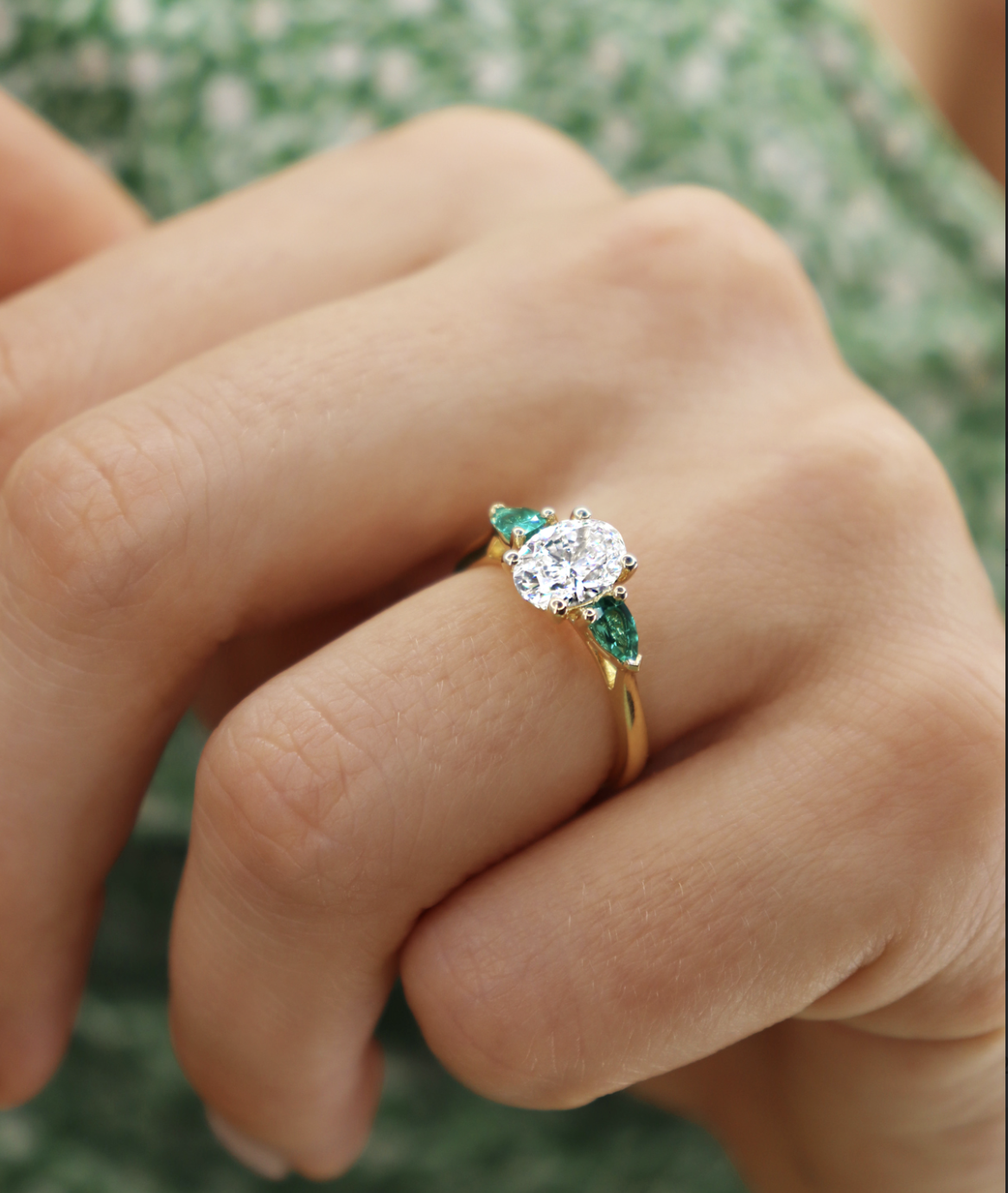
For decades, the idea of the perfect engagement ring felt fixed. There was a right stone, a right size, a right way to buy it and a right reaction when it was finally revealed. This notion was rarely questioned. It was reinforced by advertising, popular culture and a quiet pressure to get it exactly right. In 2026, that idea is steadily losing its grip. The concept of a single, universally perfect ring is fading, replaced by something far more nuanced, personal and future facing.
This shift does not signal a loss of romance or intention. On the contrary, it reflects a deeper understanding of what makes jewellery meaningful over time. The perfect ring is no longer defined by external validation. It is defined by alignment.
To understand why this change is happening, it helps to look at where the idea of perfection came from in the first place.
The modern concept of a perfect engagement ring is relatively young. While engagement rings have existed in various forms for centuries, rigid expectations around diamonds, carat size and spend were largely shaped in the twentieth century. Cultural analysis from BBC Culture has explored how advertising campaigns transformed suggestions into perceived tradition, creating a narrow definition of what an engagement ring should look like.
These messages worked because they offered certainty. In moments charged with emotion, certainty feels comforting. A checklist approach promised reassurance. If you followed the rules, you could not get it wrong.
Yet certainty has a downside. When perfection is externally defined, it leaves little room for individuality. As relationships, lifestyles and values have evolved, that rigidity has begun to feel increasingly out of step with real life.
Sociological research from Pew Research Center shows that modern partnerships are built around communication, equality and shared decision making. Engagement ring buying has followed the same trajectory. The expectation that one person should guess another’s lifelong tastes now feels risky rather than romantic.
One of the clearest signs that the perfect ring ideal is fading is the decline of rigid surprise. While surprise proposals still exist, many couples now discuss ring preferences openly. This shift reflects trust, not diminished romance.
Relationship commentary from The Guardian has noted that contemporary intimacy values emotional awareness over grand gestures. Knowing what a partner loves is increasingly seen as a strength rather than a spoiler.
The fading of the perfect ring ideal is also tied to a broader reassessment of perfection itself. Perfection implies permanence, stasis and flawlessness. Human relationships, by contrast, are dynamic. They change, deepen and adapt over time.
Cultural theory discussed by The British Academy suggests that modern consumers are moving away from ideals of flawlessness towards authenticity and adaptability. Jewellery, as a deeply symbolic object, reflects this shift.
Historically, gemstones themselves were never associated with perfection in the modern sense. Ancient cultures valued stones for symbolism, durability and rarity, not for meeting a precise visual standard.
Archaeological insight from The Ashmolean Museum shows that early gemstone jewellery embraced irregularity and variation. Stones were meaningful because they were natural, not because they were uniform.
Diamonds, too, were not always evaluated through the lens of perfection. Geological research from The Natural History Museum explains that diamonds were first valued for hardness and endurance rather than brilliance or clarity. Their appeal lay in resilience, not flawlessness.
The modern obsession with perfection emerged alongside grading systems and mass marketing. While grading brought transparency, it also encouraged comparison and hierarchy. Over time, this fostered anxiety rather than confidence.
Educational commentary from The Gemological Institute of America has acknowledged that grading is descriptive, not prescriptive. A diamond’s characteristics describe how it behaves, not how it should be valued emotionally. As consumers become better informed, this distinction matters more.
Another factor contributing to the decline of the perfect ring ideal is increased choice. Today’s buyers can choose between natural and lab grown diamonds, coloured gemstones, alternative cuts and bespoke designs. With more options comes the realisation that no single choice can be universally correct.
Market analysis from The Financial Times has noted that modern luxury consumers prioritise relevance over conformity. Products that reflect personal values are perceived as more meaningful than those that simply meet traditional benchmarks.
This is particularly true in the conversation around lab grown diamonds and gemstones. Once positioned as alternatives to an ideal, they are now increasingly understood as deliberate choices with their own merits.
Scientific research published by Nature confirms that lab grown diamonds share the same atomic structure and durability as natural diamonds. The distinction lies in origin, not performance. As this understanding spreads, the idea of a single perfect option becomes harder to sustain.
Coloured gemstones further challenge the notion of perfection. Emeralds, sapphires and other stones have always embraced character over flawlessness. Their appeal often lies in depth of colour and individuality rather than optical precision.
Museum analysis from The Smithsonian National Museum of Asian Art highlights how coloured gemstones were historically prized for symbolism rather than uniformity. Modern buyers are rediscovering this perspective.
Design trends also reflect this shift. Engagement rings are no longer expected to prioritise maximum visual impact at all costs. Comfort, durability and lifestyle compatibility now carry equal weight.
Design commentary from Dezeen shows that contemporary jewellery increasingly draws from architectural balance and functional design rather than ornamentation alone. Rings are designed to live with the wearer, not just impress in a moment.
The fading of the perfect ring ideal is also tied to changing ideas about longevity. A ring expected to be worn for decades must adapt to life’s changes. Perfection in one moment does not guarantee relevance over time.
Psychological research discussed by Psychology Today suggests that emotional attachment is stronger when objects integrate seamlessly into daily life. Jewellery that causes discomfort or self consciousness can slowly lose emotional warmth, regardless of how perfect it once seemed.
Ethics and transparency have further reframed the conversation. Many buyers now consider whether they will feel proud of their choice years from now. This long view makes rigid ideals feel less important than informed intention.
Environmental reporting from National Geographic has explored how awareness of sourcing and sustainability influences long term satisfaction. Jewellery chosen with ethical clarity often retains emotional confidence over time.
In this context, the idea of a perfect ring begins to feel limiting. It assumes a static version of the wearer and a fixed set of values. Modern buyers recognise that identity evolves.
This is why the language around engagement rings is changing. Words like perfect are being replaced by terms such as right, meaningful and personal. These concepts leave room for growth.
Retail experiences have evolved accordingly. Rather than guiding customers towards a single ideal, jewellers increasingly focus on understanding lifestyle, taste and long term wear. The goal is not to present perfection, but to support alignment.
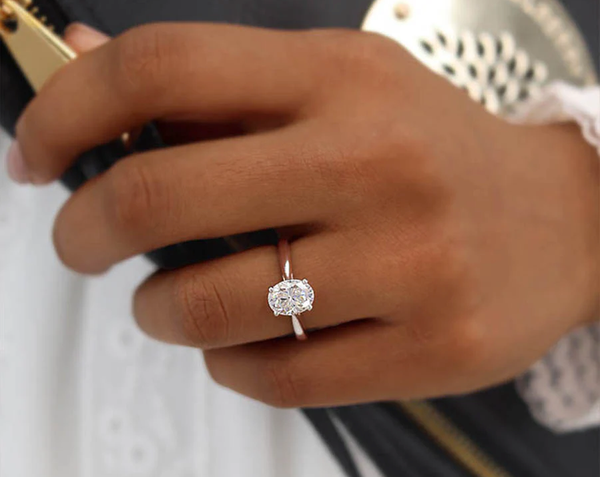
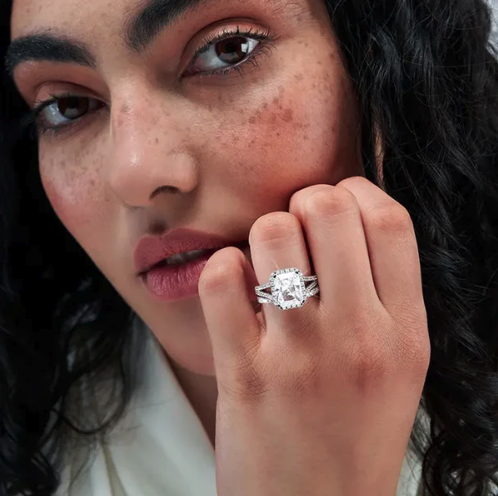
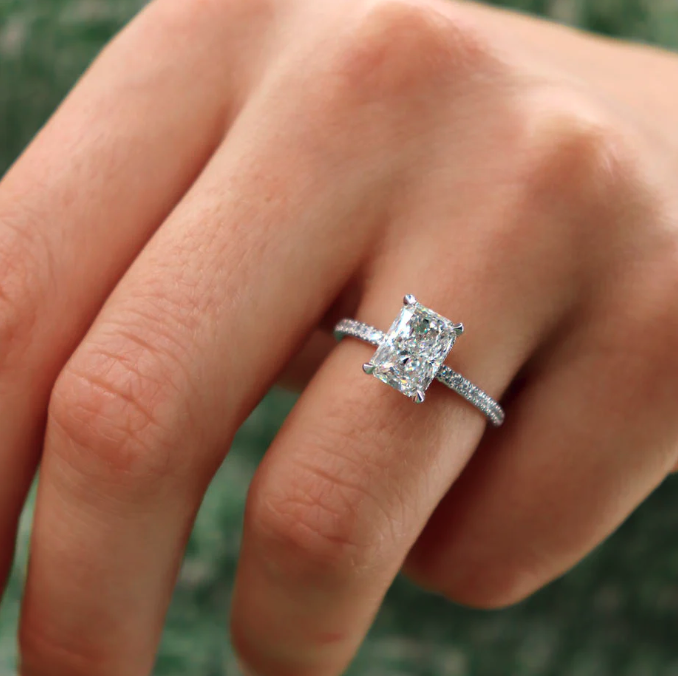
Exploring contemporary engagement ring collections such as those available through Lily Arkwright illustrates this approach. Rings are presented as expressions of individuality rather than answers to a formula, with flexibility around stone type, setting and scale.
The idea of perfection is also challenged by the rise of bespoke and semi bespoke design. Customisation encourages reflection rather than comparison. It shifts focus from what others expect to what feels right.
Cultural analysis from Harper’s Bazaar has noted that modern luxury is increasingly defined by confidence rather than conformity. The most compelling pieces are those chosen with conviction, not those that chase approval.
Importantly, the fading of the perfect ring ideal does not mean abandoning quality or craftsmanship. On the contrary, informed buyers often become more discerning. When perfection is no longer the goal, substance matters more.
Luxury market insight from McKinsey & Company suggests that contemporary consumers value authenticity and durability over status signalling. Rings chosen for long term relevance often feel more luxurious than those chosen to impress.
For many, this shift brings relief. Without the pressure of perfection, engagement ring buying becomes an exploration rather than a test. There is space for conversation, adjustment and intention.
Collections such as those showcased by Lily Arkwright reflect this evolution, offering rings designed to suit different lives rather than a single idealised image.
In 2026, the perfect ring is no longer something to chase. It is something to define for yourself.
What replaces perfection is not compromise, but clarity. A ring that fits your life, reflects your values and grows with you over time will always outlast an ideal built on comparison.
The fading of the perfect ring is not a loss. It is a gain.
Because when perfection steps aside, meaning finally has room to take centre stage.