Yellow Gold and its History in Jewellery and Engagement Rings
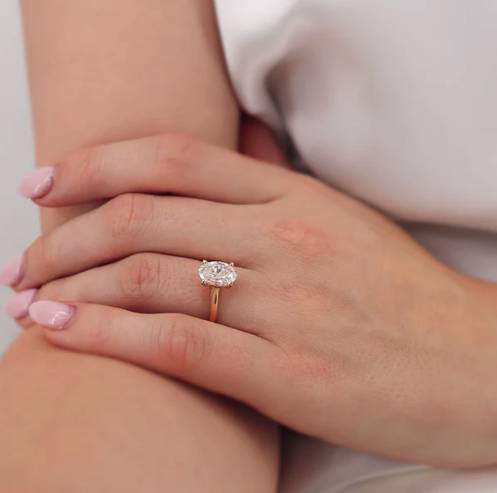
Yellow gold has held a place of honour in human civilisation for thousands of years. From the earliest societies of Mesopotamia to the royal courts of Victorian Britain, few metals carry the same cultural weight, visual warmth or symbolic richness as gold. Today, in the world of engagement rings, yellow gold continues to rise in popularity as couples seek designs that feel timeless, romantic and deeply rooted in tradition. Although styles evolve and trends shift, yellow gold remains one of the most enduring materials in fine jewellery.
Understanding the history of yellow gold not only provides insight into why it has remained so desirable, but also reveals why modern British customers are returning to it in large numbers. Publications such as Vogue UK and The Guardian Lifestyle have commented on the revival of warm toned metals, noting the growing preference for jewellery that feels personal, vintage inspired and quietly luxurious. As trends move away from minimalism and cool toned metals, yellow gold has become the centrepiece of many engagement ring collections, celebrated for its glow, versatility and emotional resonance.
This article explores the origins of yellow gold, its historical importance, its use across cultures, its role in engagement rings and why it continues to thrive in contemporary British jewellery design. It also looks at how modern ethical jewellers, including Lily Arkwright, have continued the legacy of gold craftsmanship for today’s buyers.
Ancient Origins: Gold as the First Symbol of Wealth and Status
Gold has captivated humans since the earliest civilisations. One of the reasons for its early appeal was its natural beauty. Unlike other metals, gold can be found in nature in nearly pure form, glowing with a warm, unmistakable colour that resists tarnish. Archaeologists have uncovered gold artefacts dating back more than 6,000 years, including jewellery, burial ornaments and ceremonial objects. These early pieces demonstrate not only technical skill but also cultural reverence for the metal.
In ancient Egypt, gold was believed to be the flesh of the gods. Pharaohs wore gold jewellery as symbols of divine power, and the tombs of rulers such as Tutankhamun contained elaborate examples of goldsmithing. BBC History notes that Egyptian artisans mastered alloying techniques, allowing them to create pieces with varied hues, from pale lemon tones to warm deep yellow.
In Mesopotamia, gold was associated with both prosperity and protection. Jewellery was crafted for queens, priests and nobles, often combining gold with gemstones such as lapis lazuli or carnelian. Many of these early designs, including twisted wire bangles and intricate beadwork, are echoed in contemporary jewellery.
The allure of yellow gold extended into the ancient Greek and Roman empires. Gold wreaths, pendants and rings often incorporated motifs such as laurel leaves, lions or mythological figures. Roman goldsmiths developed advanced techniques including granulation and filigree, many of which remain staples in high jewellery today.
From the earliest civilisations, yellow gold was both a material and a message. It communicated wealth, sacredness, strength and eternity, which is one reason it later became the metal of choice for engagement rings.
Gold in Medieval and Renaissance Europe
Throughout medieval Europe, yellow gold was reserved for royalty, clergy and high ranking nobles. Religious institutions in particular valued gold for its symbolic purity. Manuscripts, reliquaries and ecclesiastical jewellery were decorated with gold to signify divine importance. The British Museum houses several medieval gold pieces that illustrate the technical skill of European artisans during this period.
By the Renaissance, goldsmithing flourished. Wealth from trade routes fuelled demand for fine jewellery, and gold became a status symbol of the merchant class as well as the aristocracy. Portraits from the period, such as those painted by Holbein or Bronzino, frequently depict subjects wearing elaborate gold chains and rings, celebrating both personal success and artistic craftsmanship.
It was during this period that gemstone cutting also began to evolve. Diamonds were increasingly paired with yellow gold, a practice that would eventually lead to the diamond engagement ring traditions of later centuries.
The Birth of the Engagement Ring Tradition
The history of the engagement ring stretches back to ancient Rome, where betrothal rings were commonly made from iron or gold. However, the tradition of giving a diamond engagement ring did not fully emerge until the late 15th century, when Archduke Maximilian of Austria presented Mary of Burgundy with a diamond ring.
Even then, widespread diamond engagement rings did not flourish until the 19th century. Most engagement rings throughout the Georgian and early Victorian periods were crafted in yellow gold. These rings often featured clusters, coloured gemstones or romantic motifs such as hearts, bows and acrostic arrangements
During the Victorian era, yellow gold dominated all forms of jewellery. It was warm, romantic and easy to work with, making it ideal for intricate settings. Engagement rings from this era frequently featured yellow gold bands paired with old cut diamonds or coloured gemstones such as sapphire, ruby or turquoise. The Guardian notes that much of today’s interest in vintage inspired designs can be traced back to this period, when sentimental motifs and rich yellow hues defined jewellery trends.
The 20th Century: Yellow Gold Falls and Rises Again
The 20th century saw significant shifts in ring design. During the Art Deco period of the 1920s and 30s, platinum became popular due to its strength and cool toned elegance. White metals continued to dominate through much of the mid 20th century, especially during the post war boom when diamond solitaires became the classic choice for engagement rings.
However, yellow gold reemerged in the 1970s and 1980s when jewellery trends became bolder and more eclectic. Fashion icons such as Elizabeth Taylor and Princess Diana frequently wore yellow gold, inspiring a renewed appreciation for the metal. Vogue UK reported in several retrospectives that the warm, sunny glow of gold complemented the era’s colourful, expressive fashion.
Despite brief periods of decline, yellow gold has never disappeared. Its cyclical returns highlight its enduring timelessness and its ability to adapt to changing tastes.
Why Yellow Gold Is Making a Major Comeback in 2026
Today, yellow gold is experiencing one of its strongest revivals in decades. British buyers are increasingly drawn to the metal for several reasons:
A desire for warmth and nostalgia
After years dominated by minimalism and cool toned metals, modern jewellery buyers are embracing warmth, personality and craftsmanship. Yellow gold feels comforting and expressive, making it perfect for engagement rings.
Compatibility with modern diamond cuts
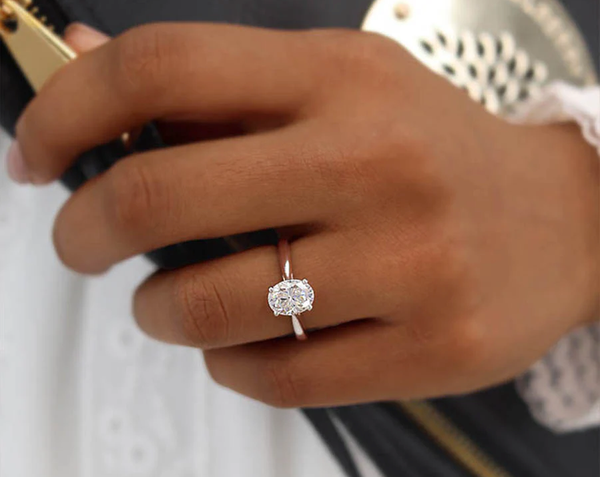
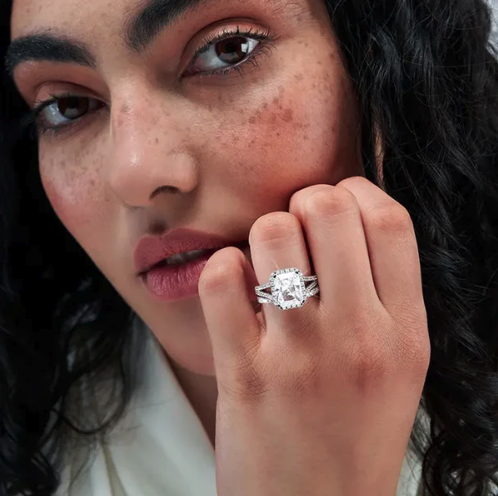
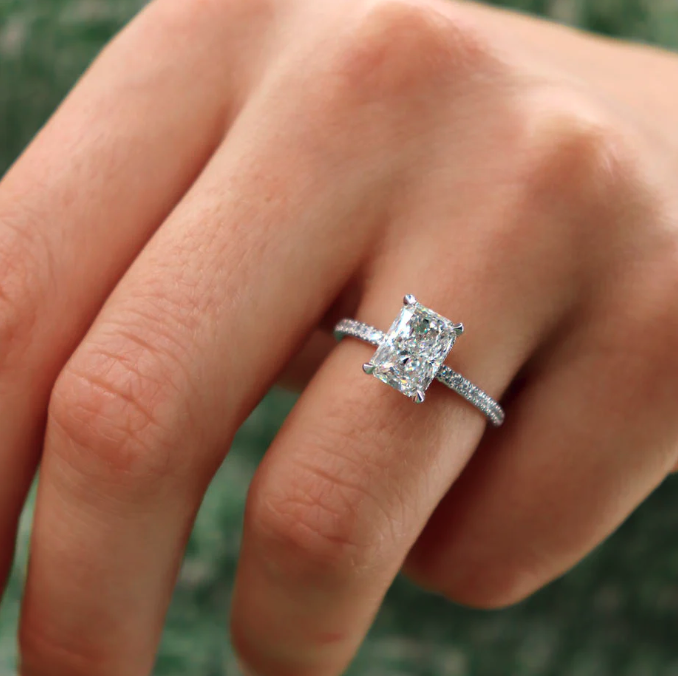
Oval, emerald, pear and radiant cut engagement rings, all trending strongly in 2026, pair beautifully with yellow gold. The contrast between white diamonds and warm gold enhances brightness and vintage charm.
Cultural influence and celebrity impact
Figures such as Meghan Markle, Emily Ratajkowski and Hailey Bieber have contributed to the popularity of yellow gold rings, often favouring designs that blend contemporary style with classic elegance. BBC Culture has highlighted the increased influence of celebrity fashion on modern purchasing behaviour.
Ethical luxury movement
Modern couples value sustainability, transparency and longevity. Yellow gold, especially when responsibly sourced, aligns well with this movement. Ethical jewellers, including Lily Arkwright, place strong emphasis on traceability, responsible materials and modern craftsmanship.
Craftsmanship: Why Yellow Gold Works So Well in Engagement Rings
Yellow gold’s physical properties make it ideal for fine jewellery. Pure 24k gold is too soft for everyday wear, so most engagement rings are made in 18k or 14k gold. These alloys maintain the rich colour of gold while offering durability for long term use.
Gold is highly malleable, allowing jewellers to create intricate settings, detailed baskets, sculpted claws and decorative motifs. Whether the design is minimalist or ornate, yellow gold adapts beautifully.
Modern jewellers use a variety of techniques, including laser setting, hand engraving and micro pavé, to create contemporary silhouettes while preserving the metal’s traditional warmth. This blend of modern design and ancient heritage explains why yellow gold feels both timeless and fresh.
Yellow Gold in Modern British Engagement Ring Design
Many British couples choose yellow gold for its versatility. It suits both classic and contemporary styles and works equally well with diamonds and coloured gemstones. Oval and emerald cuts, in particular, look elegant against the warm hue of gold, creating a subtle contrast that enhances brilliance.
Today’s designers often combine yellow gold with laboratory grown diamonds and sustainable gemstones, reflecting a commitment to ethical luxury. Lily Arkwright, for example, offers modern interpretations of traditional yellow gold designs through its engagement ring collections, including lab grown diamond solitaires, vintage inspired silhouettes and sleek contemporary settings.
By blending traditional craftsmanship with modern sustainability principles, these designs highlight why yellow gold is thriving in the UK engagement ring market.
Conclusion: The Enduring Legacy of Yellow Gold
Yellow gold remains one of the most beloved metals in jewellery, not only for its beauty but also for its cultural history and emotional meaning. From ancient civilisations to contemporary designers, gold has symbolised strength, purity, romance and longevity. In engagement rings, it continues to evoke warmth, individuality and timeless elegance.
As British couples increasingly seek rings that express personality and values, yellow gold offers a perfect balance of heritage and modernity. Its resurgence in 2026 reflects not just a trend, but a renewed appreciation for craftsmanship, colour and symbolism. With ethical jewellers such as Lily Arkwright leading the way, the future of yellow gold in engagement ring design looks brighter than ever.