
What Is What in Engagement Rings? A Modern Guide to the Language Buyers Actually Need to Know
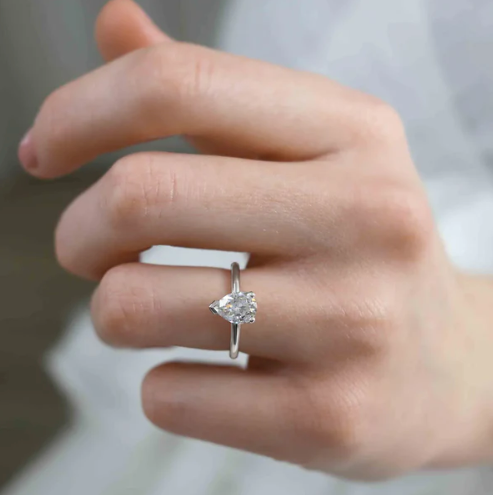
Engagement ring shopping has changed dramatically, but the language used to describe rings has not always kept pace. Terms that are second nature to jewellers are often unfamiliar to first time buyers, yet they are used constantly across websites, consultations and marketing. In 2026, understanding engagement ring terminology is no longer a nice-to-have. It is central to making a confident, informed decision that will still feel right years into the future.
This guide is designed to demystify engagement ring language without oversimplifying it. Terminology should empower buyers, not overwhelm them. Once the words make sense, the process becomes calmer, clearer and far less intimidating.
One of the first terms most buyers encounter is carat. Carat refers to weight, not physical size. This distinction is critical. Two diamonds of the same carat weight can look noticeably different depending on how they are cut. The Gemological Institute of America explains that a diamond’s proportions determine how large it appears face-up, meaning a well-cut lower-carat diamond can appear larger than a poorly cut heavier one.
Closely linked to this is the term cut, which is often confused with shape. Shape describes the outline of the stone, such as round, oval, cushion or emerald. Cut describes how well the stone has been proportioned and faceted to interact with light. According to the American Gem Society, cut quality has the greatest influence on sparkle and brilliance, outweighing carat, colour or clarity in visual impact.
Clarity is another word that can sound intimidating. It refers to internal characteristics called inclusions and external features known as blemishes. These occur naturally during crystal formation. Educational material from the International Gemological Institute explains that most inclusions are microscopic and invisible to the naked eye. Clarity grading exists to standardise description rather than suggest that higher grades are always necessary for beauty.
Colour grading usually applies to white diamonds and measures how much natural tint is present. The scale typically runs from D, which is colourless, through to Z, which shows noticeable warmth. However, articles published by the Royal Gem Society note that once set, many diamonds lower on the colour scale still appear visually white, especially in yellow or rose gold. Understanding colour terminology helps buyers avoid paying for differences they may never see.
Certification is another frequently misunderstood term. A diamond certificate is an independent report detailing a stone’s characteristics, not a valuation or promise of resale value. Laboratories such as the GIA and IGI are widely recognised for consistent grading standards. Certification allows buyers to compare stones accurately across different retailers, providing transparency rather than assurance of worth.
Beyond the stone itself, terminology around settings plays a major role in wearability and longevity. A setting describes how the stone is held in place. Prong settings use claws to secure the stone while allowing light to enter freely. Bezel settings encase the stone in metal, offering greater protection. Guidance from the National Association of Jewellers highlights how setting choice affects security, maintenance and daily comfort as much as appearance.
Profile refers to how high or low a ring sits on the finger. A high-profile ring raises the stone above the band, creating a more dramatic look. A low-profile ring keeps the stone closer to the hand, often improving comfort and reducing snagging. Jewellery wearability discussions in The Telegraph note that lifestyle plays a significant role in determining which profile feels right long term.
Halos are another common term that benefits from clarity. A halo is a circle of smaller stones surrounding a centre stone, designed to increase visual impact. A hidden halo sits beneath the centre stone rather than around it. Technical explanations from the Gemological Institute of America show that halos can be purely decorative or structurally supportive depending on their placement, making terminology important when discussing design intent.
Pavé refers to rows of small stones set closely together, most commonly along the band. The term comes from the French word for paving. While pavé can add sparkle, it also introduces more maintenance considerations. Consumer advice from Which? identifies pavé settings as more prone to stone loss over time, making it an important term to understand when balancing aesthetics and durability.
Metal terminology often causes confusion. Gold is rarely pure in jewellery. It is alloyed with other metals to improve strength. Terms such as 18ct or 14ct refer to purity, not colour. The World Gold Council explains that higher carat gold contains more pure gold but can be softer, while lower carat alloys often offer greater durability. Understanding this helps buyers choose metal based on lifestyle rather than assumption.
Platinum is frequently described as premium, but this label can be misleading without context. Platinum is naturally white, dense and durable. It does not require rhodium plating, unlike white gold. Market commentary from the Financial Times notes that platinum’s appeal lies in longevity and performance rather than trend-driven value.
The word bespoke is another term that varies in meaning. Bespoke can refer to a fully custom ring designed from scratch or to a modified existing design. Editorial coverage from Vogue UK highlights how buyers should ask what level of customisation bespoke actually involves, as the term is used differently across the industry.
Band width is a practical term with long-term implications. It refers to how thick the ring shank is. Very thin bands can look refined but may lack durability. Engineering guidance from the Gemological Institute of America emphasises proportion as a key factor in ensuring a ring withstands daily wear without distortion.
Flush fit describes whether a wedding band can sit neatly alongside an engagement ring. Non-flush designs create gaps, which can trap debris and feel uncomfortable. This term often becomes relevant only after purchase, which is why understanding it early can prevent future frustration.
Lab-grown diamonds and gemstones introduce a newer set of terminology. Lab-grown refers to stones created using advanced technology that replicates natural crystal growth. According to scientific explanations published by the International Gemological Institute, lab-grown diamonds are chemically and optically identical to natural diamonds. The difference is origin, not composition.
Terms such as ethical sourcing and sustainability are increasingly common but not legally standardised. Reporting by Reuters shows that transparency varies widely across the jewellery industry, making it important for buyers to ask how these terms are defined and applied in practice.
For many buyers, learning engagement ring terminology transforms the experience. Instead of feeling guided through a process they do not fully understand, they become active participants. Brands that prioritise education alongside design, such as Lily Arkwright, recognise that informed buyers are more confident and more satisfied with their choices.
In 2026, engagement ring terminology is no longer reserved for professionals. Buyers expect clarity, not mystique. Understanding the language allows couples to focus on what truly matters to them, whether that is durability, design, symbolism or ethics.
An engagement ring is not defined by a single word or specification. It is the result of many interconnected decisions, each with its own meaning and impact. When terminology is understood, those decisions feel empowering rather than intimidating.
Learning the language of engagement rings does not diminish the romance. It strengthens it. Confidence and understanding allow the moment to feel meaningful not just at the proposal, but throughout the lifetime that follows.